⚠️ Green Amaranth is an Invasive Plant
Amaranthus chlorostachys
By the Greg Editorial Team
Nov 23, 2024•8 min read
This article was created with the help of AI so we can cover more plants for you. May contain errors. See one? Report it here.
Learn to identify and control invasive Green Amaranth 🌿 to safeguard your garden and local ecosystems from its spread!
- 🌱 Green Amaranth is invasive, disrupting ecosystems and outcompeting native plants.
- 🌾 Identifying features include broad leaves and dense clusters of greenish flowers.
- 🚜 Control methods range from manual removal to targeted herbicides for effective management.
Plant Classification
Definition of Weeds and Invasive Species 🌱
Weeds are unwanted plants that invade cultivated areas, competing aggressively with crops for resources. Invasive species, on the other hand, are non-native plants that spread rapidly, disrupting local ecosystems and outcompeting native flora.
Criteria for Classifying as a Weed 📋
To be classified as a weed, a plant must demonstrate a rapid spread, allowing it to colonize new areas quickly. Additionally, its competitive nature enables it to outcompete native plants for sunlight, nutrients, and water.
Characteristics of Rapid Spread and Competitive Nature 🚀
Green Amaranth can grow impressively tall, reaching heights of up to 1.5 meters (5 feet). Each plant is capable of producing thousands of seeds, which can remain viable for years, ensuring its persistence and spread in various environments.
Understanding these classifications is crucial for recognizing the potential threats posed by Green Amaranth. As we delve deeper into its identification and growth habits, we can better appreciate the challenges it presents to ecosystems and agriculture.
Identification
Key Identifying Features 🌿
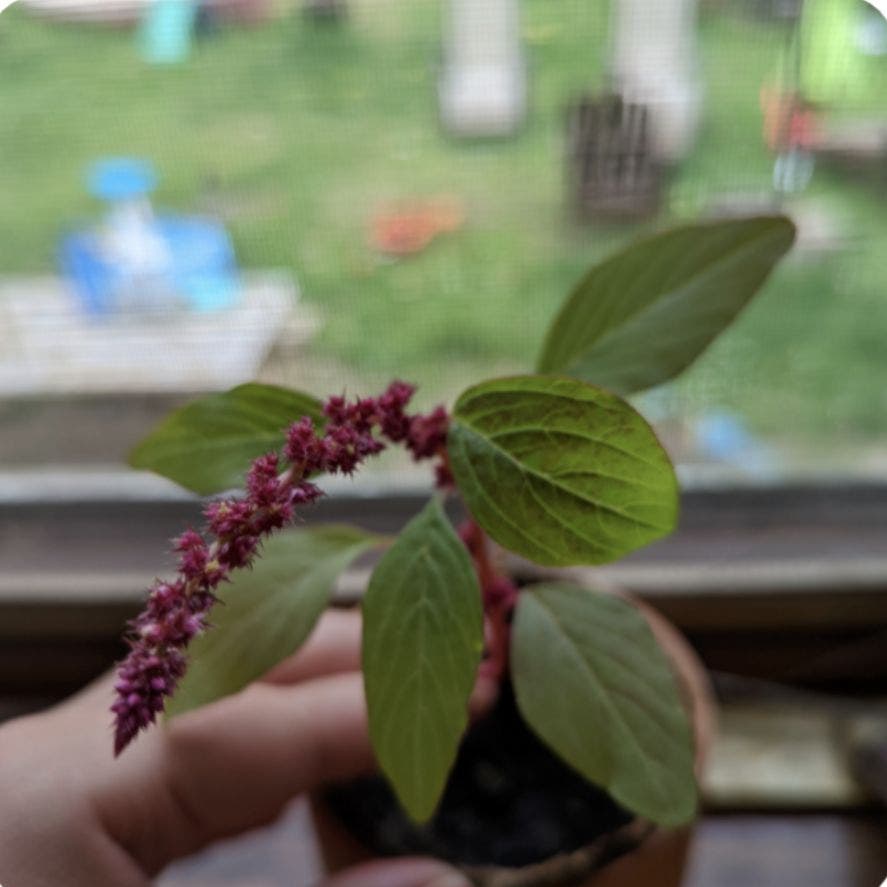
Identifying Green Amaranth is crucial for managing its spread. This plant showcases broad, green leaves that have a smooth texture, making them easily recognizable.
In addition to its leaves, Green Amaranth produces small, greenish flowers that grow in dense clusters. These flowers can be a telltale sign of its presence in your garden or local ecosystem.
Comparison with Look-Alike Plants 👀
When it comes to distinguishing Green Amaranth from similar species, such as Redroot Pigweed, a few key features stand out. While both plants may share some characteristics, Green Amaranth's broader leaves and unique flowering patterns help set it apart.
Understanding these differences is essential for effective identification and management. Being able to recognize Green Amaranth can prevent it from overtaking your garden and disrupting local ecosystems.
As we delve deeper into its growth habits and spread, you'll gain insights into how this invasive plant thrives and what you can do to control it.
Growth Habits and Spread
Typical Growth Patterns 🌱
Green Amaranth is an annual plant that thrives in disturbed soils, showcasing rapid growth. It can reach impressive heights of up to 1.5 meters (5 feet) and spreads widely, making it a formidable presence in any environment.
Reproductive Strategies and Seed Dispersal 🌬️
One of the most striking features of Green Amaranth is its prolific seed production. Each plant can produce thousands of seeds, which are easily dispersed by wind, water, and animals, ensuring its survival and spread across various landscapes.
Environmental Conditions Favoring Spread 🌍
This invasive species flourishes in disturbed, nutrient-rich soils, which provide the perfect conditions for its growth. Its adaptability allows it to thrive in diverse environmental conditions, including drought and poor soil, further enhancing its invasive potential.
Understanding these growth habits and spread mechanisms is crucial for effective management and control strategies. By recognizing how Green Amaranth proliferates, we can better prepare for its impact on local ecosystems and agricultural practices.
Ecological Impact
🌱 Effects on Native Plant Communities
Green Amaranth poses a significant threat to native plant communities. By aggressively competing for resources, it reduces biodiversity, leaving less room for native species to thrive.
This invasive plant alters the structure of local ecosystems. As it takes over, the delicate balance that supports various plant life is disrupted, leading to a decline in native flora.
🦉 Impact on Wildlife and Biodiversity
While Green Amaranth may serve as a food source for some wildlife, its overall impact is detrimental. It disrupts native food webs, making it harder for local species to find their natural sustenance.
Moreover, the invasive growth of Green Amaranth can lead to habitat loss. As it spreads, it crowds out native plants, which are essential for the survival of many animals.
🌍 Influence on Soil Health and Water Resources
The presence of Green Amaranth can lead to soil degradation. It alters soil composition and nutrient availability, making it less hospitable for native plants.
Additionally, this invasive species increases water consumption. Its aggressive growth can strain local water resources, affecting both plants and animals that rely on these vital supplies.
In summary, the ecological impact of Green Amaranth is profound and far-reaching. Understanding these effects is crucial as we move forward to explore control and management strategies.
Economic or Agricultural Impact
💸 Economic Losses Associated with Green Amaranth
Green Amaranth poses a significant threat to agriculture by competing directly with cultivated crops. This competition can lead to reduced yields, impacting farmers' profits and food supply.
In addition to crop losses, managing Green Amaranth incurs increased costs. Farmers often face higher expenses for control measures, including herbicides and labor, which can strain their budgets.
🚜 Agricultural Challenges Posed by Its Presence
The presence of Green Amaranth complicates farming practices considerably. Farmers may find themselves relying more on herbicides, which not only raises costs but also raises concerns about environmental impact.
Labor demands also increase as farmers must invest more time and resources into managing this invasive species. This shift can disrupt traditional farming methods and lead to a cycle of dependency on chemical controls.
Understanding these economic and agricultural impacts is crucial for developing effective management strategies. By addressing these challenges, farmers can better protect their crops and maintain sustainable practices.
Control and Management
👐 Manual Removal Techniques and Best Practices
Manual removal is one of the most effective ways to control Green Amaranth. Start with hand-pulling, ensuring you remove the entire plant, including the roots, to prevent regrowth.
Timing is crucial; tackle this invasive plant before it flowers to stop seed dispersal. Once removed, dispose of the plants properly to avoid re-establishment in your garden or local area.
🧪 Overview of Chemical Control Options
Chemical control can also be an effective strategy against Green Amaranth. Various herbicides are available that specifically target this invasive species.
To maximize effectiveness, pay attention to application timing. Applying herbicides during the plant's active growth phase can significantly enhance control efforts.
🦠 Biological Control Methods and Their Effectiveness
Exploring biological control methods offers a promising avenue for managing Green Amaranth. Introducing natural predators or competitors may help keep its population in check.
Current research is ongoing to assess the efficacy of these biocontrol agents. Understanding their potential can lead to more sustainable management practices.
🚫 Preventive Measures to Limit the Spread
Preventing the spread of Green Amaranth starts with good soil management. Practices that improve soil health can reduce disturbances that favor its growth.
Regular monitoring is essential for early detection of new infestations. Keeping a close eye on your garden can help you catch any signs of this invasive plant before it takes hold.
🔍 Importance of Early Detection and Rapid Response
Early detection and rapid response are key to managing Green Amaranth effectively. Implement strategies for quick identification to prevent establishment in your area.
Acting swiftly can save you time and resources in the long run. By staying vigilant, you can protect your local ecosystem from the negative impacts of this invasive species.
As we move forward, understanding the legal status of Green Amaranth will further inform our management strategies.
Legal Status
Overview of Laws and Regulations 🌍
Managing invasive species like Green Amaranth is crucial, and various local and national regulations exist to address this issue. These laws often aim to prevent the introduction and spread of invasive plants, ensuring that ecosystems remain balanced and native species thrive.
Requirements for Removal or Control in Specific Regions 📜
Different regions may have specific guidelines for the removal or control of Green Amaranth. Land managers and gardeners should familiarize themselves with these recommendations to effectively combat this invasive plant and minimize its ecological impact.
Understanding the legal framework surrounding invasive species management not only helps in compliance but also fosters a collective effort towards preserving biodiversity.
As we explore the potential benefits or uses of Green Amaranth, it's essential to weigh these against its significant negative impacts.
Potential Benefits or Uses
📜 Historical Uses
Green Amaranth has a rich history of traditional uses, particularly as a food source. Many cultures have recognized its nutritional value, incorporating its leaves and seeds into their diets for centuries.
🌱 Current Beneficial Uses, If Any
Today, the plant has limited applications. Some people explore its potential in herbal medicine, while others consider it for use as a cover crop to improve soil health.
⚠️ Emphasis on Negative Impacts Outweighing Benefits
Despite these potential uses, the negative impacts of Green Amaranth far outweigh any benefits. Its invasive nature disrupts ecosystems and agricultural practices, leading to significant ecological and economic challenges.
In summary, while Green Amaranth may have some historical and limited current uses, its role as an invasive species poses serious threats that cannot be overlooked. As we move forward, understanding these impacts is crucial for effective management and control.
⚠️ Safety First
This content is for general information and may contain errors, omissions, or outdated details. It is not medical, veterinary advice, or an endorsement of therapeutic claims.
Always consult a qualified healthcare professional before using any plant as food, medicine, or supplement.
Never eat any plant (or feed one to pets) without confirming its identity with at least two trusted sources.
If you suspect poisoning, call Poison Control (800) 222-1222, the Pet Poison Helpline (800) 213-6680, or your local emergency service immediately.
Spotted an error? Please report it here.
Combat the invasive Green Amaranth 🌱 with Greg's tailored tips and reminders to protect your garden and local ecosystems effectively!