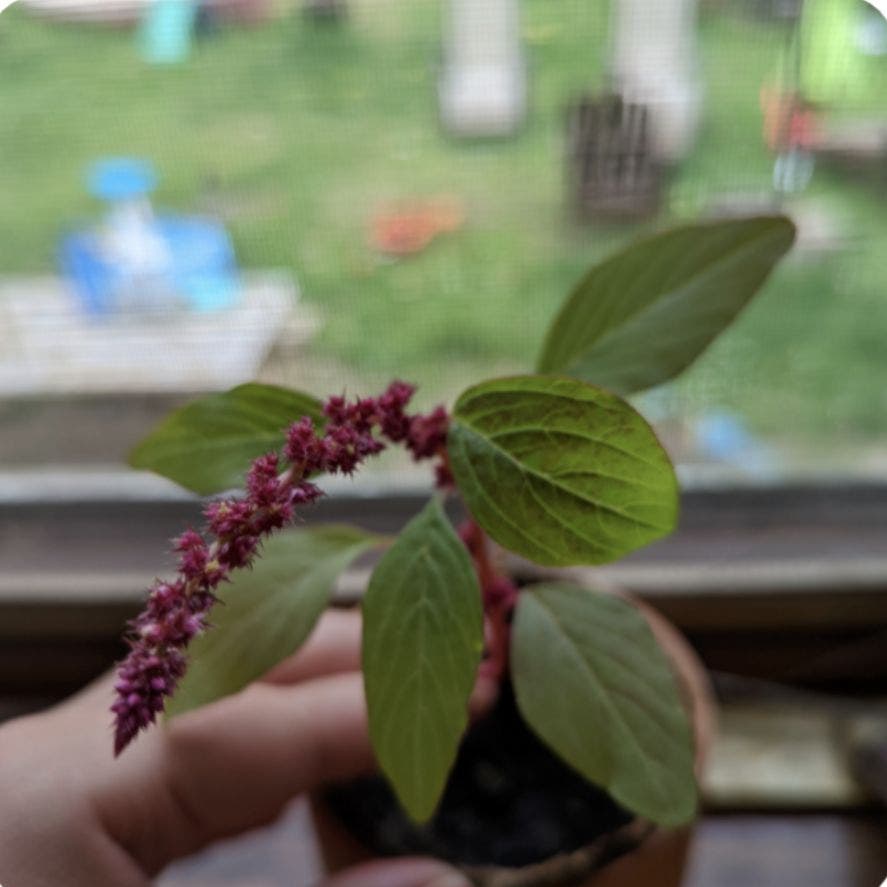
Green Amaranth Is Not a Perennial
Amaranthus chlorostachys
By the Greg Editorial Team
Nov 23, 2024•5 min read
This article was created with the help of AI so we can cover more plants for you. May contain errors. See one? Report it here.
Transform your garden with Green Amaranth's rapid growth and vibrant blooms! 🌱 Perfect for quick, stunning results!
- 🌱 Green Amaranth is an annual, completing its lifecycle in just 4 to 6 weeks.
- 🌼 Self-seeding may mimic perennials, but it requires replanting each year.
- 🌞 Optimal conditions boost growth, making it perfect for quick, productive gardens.
Characteristics of Green Amaranth as an Annual
🌱 Single-Season Lifecycle
Green Amaranth is a fascinating plant with a lifecycle that unfolds entirely within a single growing season. It starts with germination, progresses through rapid growth, flowers, and ultimately dies—all in just a few months.
From seed to maturity, this plant can complete its lifecycle in a remarkably short timeline, often taking only a few weeks. This quick turnaround makes it a favorite among gardeners looking for fast results.
⚡️ Rapid Growth Rate
One of the standout features of Green Amaranth is its impressive growth rate. Typically, it reaches maturity in just 4 to 6 weeks, making it one of the faster-growing annuals.
Several factors contribute to this rapid growth, including optimal growing conditions and nutrient availability. When planted in rich soil with adequate sunlight and water, Green Amaranth thrives and flourishes.
🌿 Inability to Regrow from Roots
Unlike perennials, Green Amaranth lacks the robust root structures that allow for regrowth year after year. Its root system is designed for a single season, which means once it dies, it cannot regenerate from its roots.
This is a key distinction when comparing it to perennial plants, which often have mechanisms in place to survive and regrow after the growing season. Understanding this difference is crucial for gardeners planning their planting strategies.
As we explore the implications of Green Amaranth's annual nature, we’ll see how its lifecycle and growth characteristics influence its role in the garden.
Implications of Green Amaranth's Annual Nature
🌼 Growth and Flowering Patterns
Green Amaranth typically flowers from mid to late summer, showcasing vibrant blooms that attract pollinators. This flowering period is crucial for seed production, allowing the plant to reproduce before the season ends.
The duration of flowering can vary, but it generally lasts several weeks, providing ample time for bees and other beneficial insects to visit. This not only aids in seed production but also enhances the biodiversity of your garden.
⏳ Lifespan Compared to Perennials
The average lifespan of Green Amaranth is confined to one growing season, making it a true annual. In contrast, perennials can live for several years, returning each season to offer consistent growth and blooms.
This short lifespan means that gardeners must plan for replanting each year. However, the quick turnover of Green Amaranth allows for flexibility in garden design and crop rotation, making it a valuable addition to any garden.
Understanding these implications helps gardeners appreciate the unique role Green Amaranth plays in their planting schemes. As we explore the common misconceptions about this plant, we’ll clarify its behavior and benefits further.
Common Misconceptions
Misunderstandings About Perennial Behavior 🌱
Many gardeners mistakenly view Green Amaranth as a perennial plant. This perception often stems from its ability to self-seed and thrive in various environmental conditions.
Self-seeding can create the illusion of perennial behavior, leading to confusion about its true lifecycle. Understanding that Green Amaranth is an annual is crucial for effective garden planning.
Clarifying Self-Seeding Characteristics 🌼
Self-seeding occurs when a plant drops its seeds, allowing new plants to grow in the same area. This process can give the impression that Green Amaranth returns year after year.
However, self-seeding relies on specific conditions, such as favorable soil and climate. When these factors align, it can seem like the plant is perennial, but it's simply a clever survival strategy of an annual species.
In summary, while Green Amaranth may exhibit some traits that mimic perennials, it remains an annual plant. Recognizing these characteristics helps gardeners make informed decisions about their planting strategies and expectations.
As we explore the implications of Green Amaranth's annual nature, we can better appreciate its role in our gardens.
Advantages of Green Amaranth for Gardeners
Quick Maturity Benefits 🌱
Green Amaranth is a gardener's dream due to its rapid growth. With a maturity timeline of just 4 to 6 weeks, you can enjoy early harvests and quick turnover, making it perfect for those eager to reap the rewards of their labor.
This fast-paced lifecycle is especially beneficial for gardeners working with short growing seasons. You can plant, grow, and harvest in a matter of weeks, allowing for multiple crops in a single season.
Flexibility in Garden Planning 🌼
Incorporating Green Amaranth into your garden design offers incredible versatility. Its vibrant foliage and unique texture can enhance various garden styles, from vegetable patches to ornamental beds.
Seasonal planning becomes a breeze when you mix annuals like Green Amaranth with perennials. This combination not only maximizes garden productivity but also ensures a visually appealing landscape throughout the growing season.
By understanding and utilizing the advantages of Green Amaranth, you can create a dynamic garden that thrives on quick growth and adaptability. This sets the stage for exploring effective strategies to enjoy Green Amaranth even more.
Strategies for Enjoying Green Amaranth
🌱 Tips for Maximizing Growth Throughout the Season
To get the most out of your Green Amaranth, start with the right planting techniques. Choose a sunny spot with well-drained soil, and consider enriching it with compost to boost nutrient levels.
Timing is crucial for successive sowing. Plant seeds every two to three weeks to ensure a continuous harvest throughout the growing season.
🌼 Incorporating Green Amaranth with Perennials
Companion planting can enhance your garden's productivity. Pair Green Amaranth with perennials like tomatoes or peppers, as they can benefit from each other's growth patterns.
For visual impact, consider alternating rows of Green Amaranth with taller perennials. This not only creates a stunning display but also maximizes space and resources in your garden.
By implementing these strategies, you can enjoy the vibrant growth and versatility of Green Amaranth while complementing your perennial plants.
⚠️ Safety First
This content is for general information and may contain errors, omissions, or outdated details. It is not medical, veterinary advice, or an endorsement of therapeutic claims.
Always consult a qualified healthcare professional before using any plant as food, medicine, or supplement.
Never eat any plant (or feed one to pets) without confirming its identity with at least two trusted sources.
If you suspect poisoning, call Poison Control (800) 222-1222, the Pet Poison Helpline (800) 213-6680, or your local emergency service immediately.
Spotted an error? Please report it here.
Embrace the quick beauty of Green Amaranth 🌱 in your garden, and let Greg guide you with tailored care tips and reminders for continuous sowing and optimal growth!