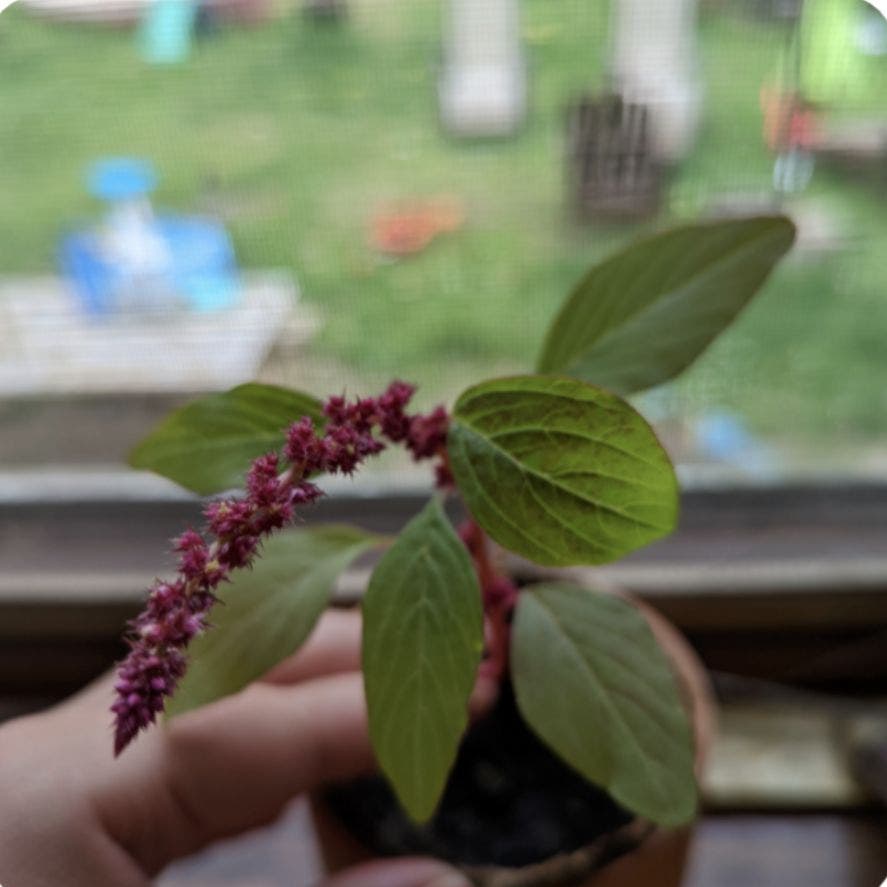
What to Do About Dropping Leaves on Your Green Amaranth 🍂
Amaranthus chlorostachys
By the Greg Editorial Team
Nov 23, 2024•5 min read
This article was created with the help of AI so we can cover more plants for you. May contain errors. See one? Report it here.
Transform your Green Amaranth's health and prevent leaf drop with these vital care tips! 🌱
- 💧 Overwatering and underwatering both cause leaf drop; monitor soil moisture carefully.
- 🌞 Full sun exposure is vital; insufficient light leads to weak growth and leaf drop.
- 🐛 Regular pest inspections help catch issues early and maintain plant health.
Diagnosing Leaf Drop Issues
🌊 Identifying Signs of Overwatering
Overwatering can be a sneaky culprit behind leaf drop in your Green Amaranth. Look for visual cues such as yellowing leaves, a mushy texture, and overly wet soil.
To accurately measure moisture levels, consider using a soil moisture meter. This handy tool can help you determine if your plant is drowning or just needs a drink.
💧 Recognizing Underwatering Symptoms
On the flip side, underwatering can also lead to distress. Watch for signs like crispy leaf edges and dry, compacted soil.
Maintaining a consistent watering schedule is crucial. This ensures your plant receives the right amount of moisture to thrive.
🐛 Checking for Pests and Their Damage
Pests can wreak havoc on your Green Amaranth, leading to leaf drop. Inspect your plants closely, especially under the leaves and at the stem bases, to catch any unwanted visitors.
Assess the damage by comparing healthy leaves with those showing signs of infestation. Early detection can save your plant from further harm.
🌱 Assessing Soil Conditions and Moisture Levels
Healthy soil is the foundation for a thriving plant. Conduct soil tests to check pH and nutrient content, ensuring your Green Amaranth has what it needs.
Well-draining soil is essential. It prevents waterlogging and promotes healthy root growth, which is vital for your plant's overall health.
☀️ Evaluating Environmental Factors
Light Requirements
Light plays a significant role in the health of your Green Amaranth. Ideally, these plants thrive in full sun exposure.
Insufficient light can lead to weak, leggy growth and leaf drop. Ensure your plant is getting enough sunlight to flourish.
By diagnosing these issues early, you can take proactive steps to restore your Green Amaranth's health. Next, we'll explore effective treatments for leaf drop problems.
Treating Leaf Drop Problems
🌊 Steps to Take for Overwatered Plants
Overwatering can be detrimental to your Green Amaranth. Start by assessing soil moisture levels using your fingers or a moisture meter.
Once you determine the soil is too wet, allow it to dry out completely before rewatering. If drainage is an issue, consider improving it by adding perlite or adjusting the potting mix.
💧 Remedies for Underwatered Plants
Underwatering can also lead to leaf drop, so it's crucial to recognize the signs early. Gradually rehydrate the soil by adding water slowly to avoid shocking the plant.
Adjust your watering schedule to ensure consistent moisture, preventing future issues. Keep an eye on your plant's response to the increased moisture to gauge its recovery.
🥦 Addressing Nutrient Deficiencies
Nutrient deficiencies can cause significant stress to your Green Amaranth. Start by conducting a soil test to identify any lacking nutrients.
Once you know what's missing, apply the recommended fertilizers to correct these deficiencies. This will help your plant regain its vigor and health.
🐞 Pest Control Methods
Pests can wreak havoc on your plants, so it's essential to tackle them promptly.
🌱 Organic Options
Consider using organic options like neem oil or insecticidal soap. These treatments are effective and safe for the environment.
You can also introduce beneficial insects, such as ladybugs, to help control pest populations naturally.
⚗️ Chemical Options
If the infestation is severe, chemical treatments may be necessary. Use these as a last resort and follow the instructions carefully.
Always take safety precautions during application, such as wearing gloves and a mask, to protect yourself and your plants.
🍄 Treatment for Fungal Infections
Fungal infections can be tricky but identifying them early is key. Look for signs like discolored spots or wilting leaves.
Once identified, apply recommended fungicides according to the instructions. This will help manage the infection and promote healthier growth.
By addressing these issues promptly, you can help your Green Amaranth thrive and enjoy its lush foliage once again. Next, let’s explore how to monitor your plant’s health effectively.
Monitoring Plant Health
🕵️♂️ Regular Inspection Routines
To keep your Green Amaranth thriving, establish a routine of weekly inspections. Look for signs of distress, such as changes in leaf color, texture, and overall vigor.
Pay attention to any wilting or discoloration, as these can indicate underlying issues. Regular checks help you catch problems early, ensuring your plant remains healthy and vibrant.
🌱 Signs of Recovery After Treatment
After addressing any leaf drop issues, watch for indicators of improved health. New growth and vibrant leaf color are strong signs that your plant is bouncing back.
Recovery timelines can vary based on the treatment type, but patience is key. With the right care, your Green Amaranth will flourish once again.
🍂 Adjusting Care Based on Seasonal Changes
As the seasons change, so should your care routine. During hot months, increase watering frequency to keep the soil consistently moist.
Additionally, be mindful of your fertilization schedule. Your plant may require more nutrients during its active growth periods, so adjust accordingly to support its health.
By staying attentive to these factors, you can ensure your Green Amaranth remains robust and thriving throughout the year. Next, let’s explore how to treat specific leaf drop problems effectively.
⚠️ Safety First
This content is for general information and may contain errors, omissions, or outdated details. It is not medical, veterinary advice, or an endorsement of therapeutic claims.
Always consult a qualified healthcare professional before using any plant as food, medicine, or supplement.
Never eat any plant (or feed one to pets) without confirming its identity with at least two trusted sources.
If you suspect poisoning, call Poison Control (800) 222-1222, the Pet Poison Helpline (800) 213-6680, or your local emergency service immediately.
Spotted an error? Please report it here.
Keep your Green Amaranth thriving 🌱 by using Greg's personalized care reminders to master watering and pest control, ensuring those leaves stay vibrant and healthy!