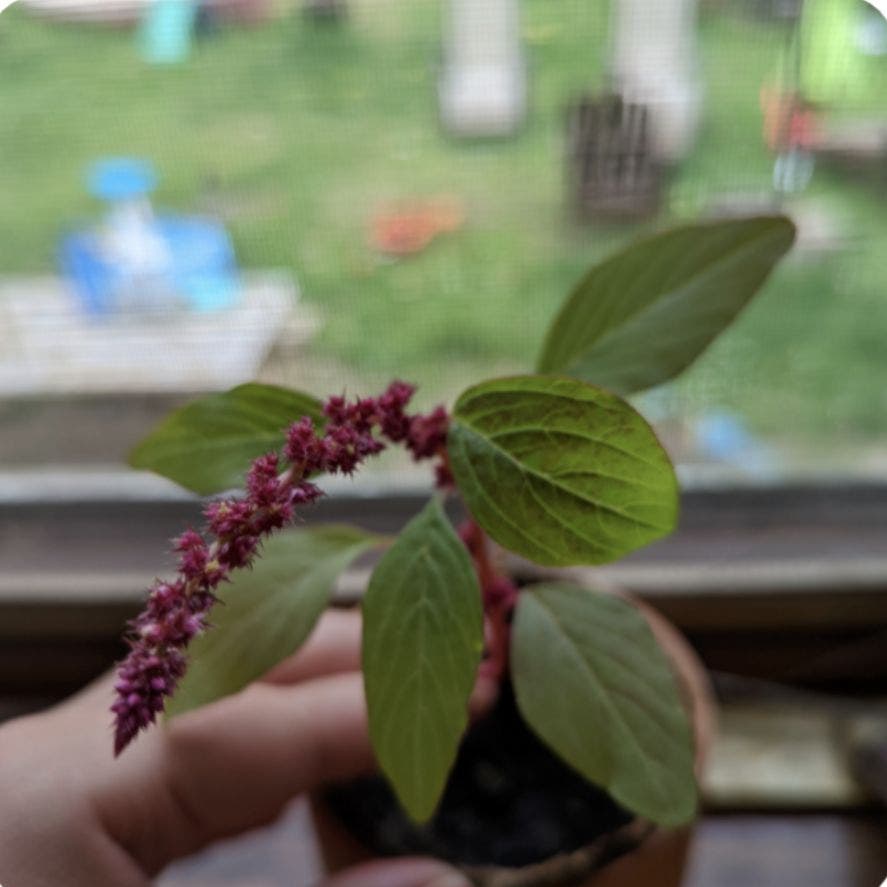
Signs Your Green Amaranth Has Root Rot and How to Fix It 💧
Amaranthus chlorostachys
By the Greg Editorial Team
Nov 23, 2024•5 min read
This article was created with the help of AI so we can cover more plants for you. May contain errors. See one? Report it here.
Save your green amaranth from root rot and watch it thrive with these essential care tips! 🌿
- 🌱 Root rot severely affects green amaranth; act quickly to save your plant!
- 💧 Overwatering suffocates roots, leading to decay; ensure proper drainage.
- 🔍 Inspect roots regularly for signs of rot; early detection is crucial!
Causes of Root Rot
Root rot is a common issue that can devastate your green amaranth if not addressed promptly. Understanding its causes is the first step toward prevention and treatment.
💧 Overwatering
One of the primary culprits of root rot is overwatering. When the soil remains excessively moist, it suffocates the roots, preventing them from absorbing the oxygen they need to thrive.
🍄 Fungal Infections
Fungal infections are another significant factor contributing to root rot. Pathogens like Pythium and Phytophthora thrive in wet conditions, attacking the roots and causing decay.
🏞️ Poor Soil Conditions
Lastly, poor soil conditions can exacerbate the problem. Compacted or poorly draining soil traps water around the roots, creating an environment ripe for rot.
By recognizing these causes, you can take proactive measures to protect your green amaranth. Next, let’s explore how to identify the symptoms of root rot effectively.
Identifying Symptoms
Visual Signs 🌿
Recognizing the visual signs of root rot is crucial for your green amaranth's health. Look out for yellowing leaves, which often indicate nutrient deficiencies due to poor root function.
Another red flag is wilting despite adequate watering. This suggests that the roots are damaged and unable to absorb moisture effectively.
You may also notice stunted growth, a clear sign that your plant is struggling. If the roots appear dark and mushy, this is a definitive indicator of root rot.
Root Examination Techniques 🔍
To assess the health of your plant's roots, start by pulling the plant gently from the soil. This allows you to evaluate the root condition without causing further damage.
Next, clean the roots by removing excess soil. This step is essential for inspecting discoloration and texture, which can reveal underlying issues.
For a closer look, consider using a magnifying glass. This tool can help you identify any fungal growth or rot that may not be visible to the naked eye.
By being vigilant and proactive in identifying these symptoms, you can take the necessary steps to treat root rot effectively. Now, let’s explore how to treat this condition and restore your green amaranth to health.
Treating Root Rot
Dealing with root rot can feel overwhelming, but with the right approach, you can save your green amaranth. Follow these steps to treat the issue effectively.
🛠️ Step-by-step treatment process
Remove the plant from its pot or ground. Gently lift the plant to avoid further damage to the roots.
Inspect and trim away all affected roots. Cut back to healthy tissue, discarding any dark or mushy roots.
Clean the remaining roots. Rinse them under water to remove soil and any lingering pathogens.
Prepare a new potting mix. Use well-draining soil, ideally mixed with perlite or sand for better aeration.
Replant the amaranth. Ensure you plant it at the correct depth and provide adequate spacing for growth.
Water sparingly. Allow the top inch of soil to dry out before watering again to prevent future issues.
💊 Recommended treatments
To combat root rot effectively, consider using systemic fungicides. These are specifically designed to target root rot pathogens and can be quite effective.
For those who prefer organic solutions, neem oil or cinnamon powder can serve as natural antifungal treatments. Both options help create a healthier environment for your plant.
By following these steps and treatments, you can give your green amaranth a fighting chance against root rot. With proper care, your plant can bounce back and thrive once again.
Next, let’s explore how to prevent root rot from occurring in the first place.
Preventing Root Rot
Best Practices for Watering 🌊
To keep your green amaranth thriving, establish a consistent watering schedule. Allow the top inch of soil to dry out before watering again, which helps prevent excess moisture that can lead to root rot.
Recognizing the signs of overwatering is crucial. If you notice yellowing leaves or wilting despite watering, it may be time to adjust your frequency.
Importance of Soil Drainage and Aeration 🕳️
Choosing the right pot is essential for preventing root rot. Ensure your pots have drainage holes to allow excess water to escape.
Soil composition plays a significant role in drainage. Opt for a mix that promotes drainage, such as potting soil combined with perlite or sand.
Aeration techniques can also enhance root health. Regularly loosening the soil improves airflow to the roots, reducing the risk of rot.
By following these preventive measures, you can keep your green amaranth healthy and vibrant. Next, let’s explore how to monitor the plant's health effectively.
Monitoring Health
Regular Checks for Root Health 🌱
To keep your green amaranth thriving, regular inspections are essential. Aim to check the roots every 2-4 weeks during the growing season.
Look for signs of unhealthy roots, such as dark coloration, mushiness, or a foul odor. These indicators can signal underlying issues that need immediate attention.
Signs of Recovery After Treatment 🌿
After addressing root rot, watch for signs of recovery. New growth, like fresh leaves and stems, is a positive sign that your plant is bouncing back.
Additionally, improved leaf color, returning to a vibrant green, indicates that your plant is regaining its health. Increased resilience, shown through a positive response to care adjustments, will further assure you that your green amaranth is on the mend.
By keeping a close eye on your plant's health, you can ensure it thrives and flourishes. This proactive approach not only helps in early detection of issues but also fosters a deeper connection with your green amaranth.
As you monitor your plant, remember that consistent care and attention can make all the difference in its growth journey.
⚠️ Safety First
This content is for general information and may contain errors, omissions, or outdated details. It is not medical, veterinary advice, or an endorsement of therapeutic claims.
Always consult a qualified healthcare professional before using any plant as food, medicine, or supplement.
Never eat any plant (or feed one to pets) without confirming its identity with at least two trusted sources.
If you suspect poisoning, call Poison Control (800) 222-1222, the Pet Poison Helpline (800) 213-6680, or your local emergency service immediately.
Spotted an error? Please report it here.
Keep your green amaranth thriving 🌿 by using Greg's tailored watering alerts and soil tips to prevent root rot and promote healthy growth!