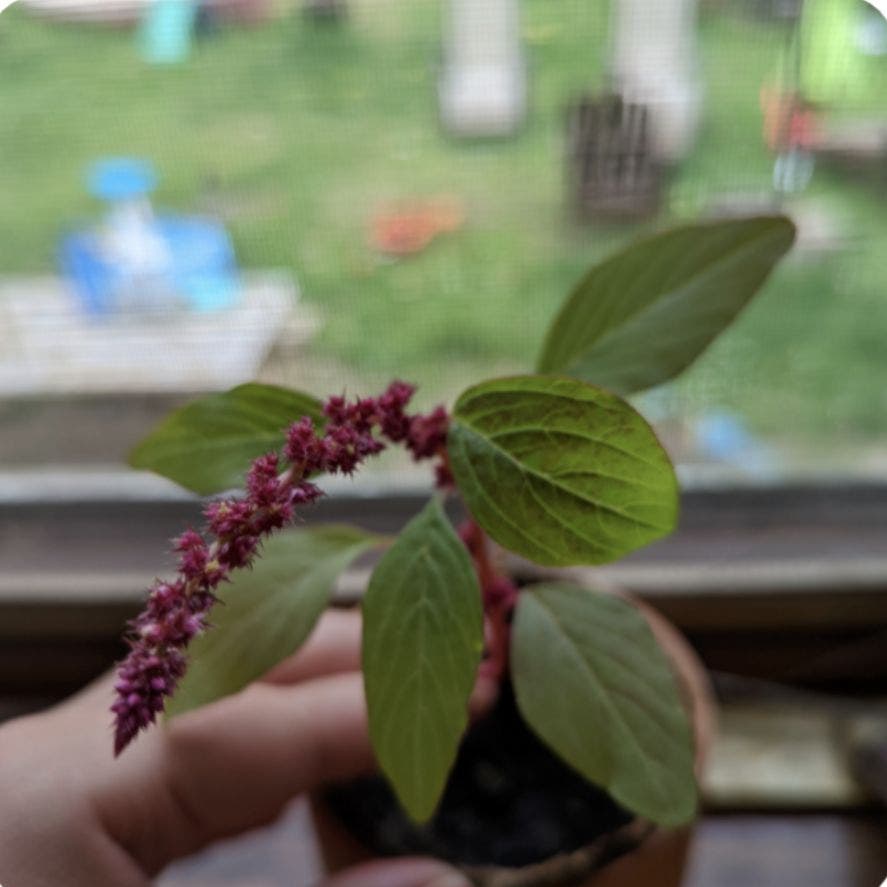
🍃 How to Fix Leaves Falling Over on Your Green Amaranth
Amaranthus chlorostachys
By the Greg Editorial Team
Nov 23, 2024•7 min read
This article was created with the help of AI so we can cover more plants for you. May contain errors. See one? Report it here.
Transform your Green Amaranth into a thriving beauty 🌿 by preventing leaf drop with these essential care tips!
- 💧 Overwatering and underwatering both cause leaf issues; balance moisture for healthy growth.
- 🌱 Nutrient deficiencies weaken stems; fertilize every 4-6 weeks for robust plants.
- 🐛 Pests like aphids harm leaves; inspect regularly to catch infestations early.
Causes of Leaf Drop
💧 Overwatering and Its Effects
Overwatering is a common issue that can lead to several distressing symptoms in your Green Amaranth. Look out for yellowing leaves, wilting, and drooping, which indicate that your plant is struggling.
The impact on root health is significant; excess water can cause root rot and reduce oxygen availability. To prevent these issues, ensure your Amaranth is planted in well-draining soil to avoid waterlogging.
🚰 Underwatering and Dehydration
On the flip side, underwatering can also cause your Amaranth to suffer. Signs of dehydration include crispy, dry leaves and drooping, which can be alarming for any plant parent.
Dehydration stunts growth and can lead to leaf drop, making it crucial to maintain consistent moisture without saturation. Aim for a regular watering schedule to keep your plant thriving.
🍃 Nutrient Deficiencies
Nitrogen Deficiency
A lack of nitrogen can manifest as pale green leaves and stunted growth. Nitrogen is essential for leaf development and overall plant health, so it's vital to monitor your Amaranth's nutrient intake.
Potassium Deficiency
Potassium deficiency shows up as leaf edges turning brown and weak stems. This nutrient plays a crucial role in plant health and resilience, making it important to ensure your Amaranth receives adequate potassium.
🐛 Pest Infestations
Common Pests
Pests can wreak havoc on your Green Amaranth, so it's essential to stay vigilant. Aphids are notorious for causing curled leaves and leaving a sticky residue, while spider mites create fine webbing and stippled leaves.
Both types of pests can significantly impact leaf health and overall plant vigor, so early detection is key to maintaining a healthy plant.
🌡️ Environmental Stress
Temperature Sensitivity
Green Amaranth thrives in an ideal temperature range of 20°C to 30°C (68°F to 86°F). Extreme temperatures can lead to stress, causing leaves to droop and the plant to struggle.
Humidity Requirements
Humidity also plays a critical role in your plant's health. Moderate to high humidity levels are optimal; low humidity can lead to leaf droop and wilting, making it essential to monitor your environment.
Understanding these causes of leaf drop can help you take proactive measures to keep your Green Amaranth healthy and vibrant. Next, we’ll explore how to diagnose specific leaf problems effectively.
Diagnosing Leaf Problems
🌊 Identifying Symptoms of Overwatering
Overwatering can be a sneaky culprit behind leaf drop. Look for visual cues like yellowing leaves and mushy stems, which signal that your Amaranth is drowning.
To confirm, check the soil moisture. Use a moisture meter or simply stick your finger into the soil; if it feels soggy, it’s time to adjust your watering habits.
💧 Recognizing Signs of Underwatering
On the flip side, underwatering presents its own set of issues. If you notice dry and brittle leaves, your plant may be gasping for moisture.
A quick soil check can help. If the soil feels dry and hard, it’s a clear indication that your Amaranth needs a drink.
🥦 Assessing Nutrient Deficiency Symptoms
Nutrient deficiencies can also lead to leaf problems. Pale or discolored leaves often indicate a lack of essential nutrients, particularly nitrogen.
Additionally, observe the growth patterns. Slow growth or abnormal leaf shapes can signal that your plant isn’t getting what it needs to thrive.
🐛 Checking for Pest Damage
Pests can wreak havoc on your Amaranth’s health. Conduct a visual inspection, looking for pests on the leaves and undersides.
Take note of any leaf distortion or discoloration. These signs can help you identify if pests are the reason behind your plant's distress.
🌡️ Evaluating Environmental Conditions
Environmental factors play a crucial role in plant health. Start by checking the temperature and humidity levels using a thermometer and hygrometer.
Don’t forget to assess light exposure. Ensuring your Amaranth receives adequate sunlight is vital for its growth and vitality.
By diagnosing these issues early, you can take proactive steps to restore your Green Amaranth to its vibrant self. Next, let’s explore effective solutions for leaf drop.
Solutions for Leaf Drop
🌊 Adjusting Watering Practices
Establishing a consistent watering schedule is crucial for your Green Amaranth. Water when the top inch of soil feels dry to the touch, ensuring your plant receives the right amount of moisture.
Using well-draining pots and soil can prevent water accumulation, which is essential for healthy roots. Additionally, keep an eye on weather conditions; adjust your watering frequency during hot or rainy periods to maintain optimal soil moisture.
🌱 Fertilizing for Nutrient Balance
Choosing a balanced fertilizer that contains adequate nitrogen and potassium is key to promoting healthy growth. Aim to fertilize every 4-6 weeks during the growing season to keep your Amaranth thriving.
Always follow the package instructions for dosage and application technique. This ensures your plant receives the nutrients it needs without the risk of over-fertilization.
🐞 Pest Control Methods
Organic Solutions
For pest control, consider using neem oil or insecticidal soap to manage aphid infestations effectively. Introducing beneficial insects like ladybugs can also provide natural pest management, keeping your plants healthy without harsh chemicals.
Chemical Solutions
If pests persist, targeted pesticides can be used as a last resort. Always follow safety guidelines and application instructions to protect both your plants and the environment.
💧 Improving Soil Drainage
Enhancing soil drainage is vital for preventing root rot. Techniques such as adding perlite or sand to your soil mix can significantly improve drainage.
Choosing pots with drainage holes is equally important. This allows excess water to escape, ensuring your Amaranth's roots stay healthy and oxygenated.
☀️ Modifying Light Exposure
Your Green Amaranth thrives in full sun, requiring 6-8 hours of direct sunlight daily. Adjusting the plant's location based on seasonal light changes can help maintain its health and vigor.
By ensuring your Amaranth receives the right light conditions, you can prevent leaf drop and promote lush growth.
With these solutions in place, you can tackle leaf drop effectively and keep your Green Amaranth flourishing. Next, let’s explore some preventative measures to maintain your plant's health long-term.
Preventative Measures
🌊 Best Practices for Watering
Watering your Green Amaranth effectively is crucial for its health. Deep watering encourages robust root growth, allowing the plant to access moisture more efficiently.
Before watering, always check the soil moisture. This simple step helps prevent overwatering, which can lead to root rot and other issues.
🧪 Regular Soil Testing for Nutrients
Understanding your soil's nutrient levels and pH is essential for optimal plant growth. Regular soil testing can reveal deficiencies that might affect your Amaranth's health.
Aim to test your soil at least once per growing season. This proactive approach ensures your plants receive the nutrients they need to thrive.
🐛 Monitoring for Pests Regularly
Routine inspections of your plants can help catch pest problems early. Check your Green Amaranth weekly for any signs of pests, such as discoloration or unusual leaf shapes.
If you notice any issues, address them promptly. Early intervention can save your plants from significant damage.
🌡️ Ideal Growing Conditions
Maintaining the right temperature and humidity levels is vital for your Amaranth's well-being. Keep the environment within the ideal ranges to promote healthy growth.
Be prepared to adjust your care practices with the changing seasons. This adaptability can make a big difference in your plant's resilience.
🍂 Seasonal Care Tips
As the seasons change, so should your care routine. Adjust your watering and fertilization practices to align with the plant's needs throughout the year.
Protect your Green Amaranth from extreme weather by using shade cloth or row covers. These simple measures can help ensure your plants remain healthy and vibrant, no matter the conditions.
By implementing these preventative measures, you can enjoy a thriving Green Amaranth that stands tall and healthy. Now, let’s explore how to effectively diagnose any leaf problems that may arise.
⚠️ Safety First
This content is for general information and may contain errors, omissions, or outdated details. It is not medical, veterinary advice, or an endorsement of therapeutic claims.
Always consult a qualified healthcare professional before using any plant as food, medicine, or supplement.
Never eat any plant (or feed one to pets) without confirming its identity with at least two trusted sources.
If you suspect poisoning, call Poison Control (800) 222-1222, the Pet Poison Helpline (800) 213-6680, or your local emergency service immediately.
Spotted an error? Please report it here.
Keep your Green Amaranth thriving 🌱 by using Greg's tailored care reminders and nutrient tracking to prevent leaf droop and promote vibrant growth!