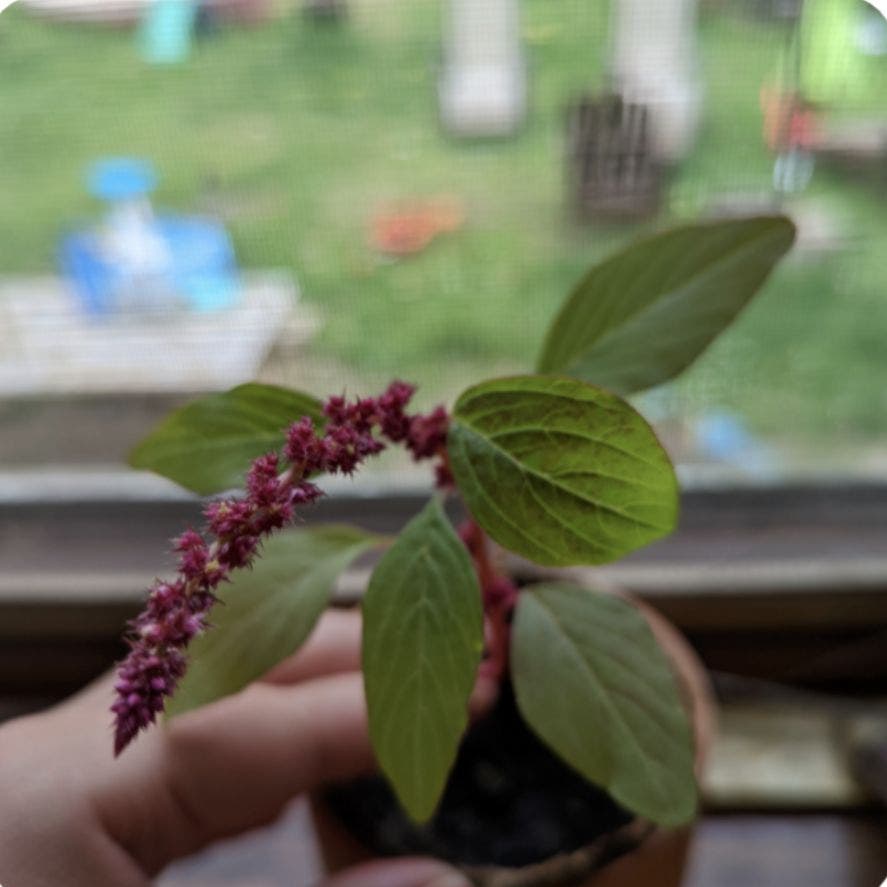
3 Tips for Healthy Green Amaranth Roots
Amaranthus chlorostachys
By the Greg Editorial Team
Nov 23, 2024•6 min read
This article was created with the help of AI so we can cover more plants for you. May contain errors. See one? Report it here.
Cultivate vibrant Green Amaranth by mastering root health and care techniques! 🌱🌍
- 🌱 Healthy Green Amaranth roots enhance nutrient uptake and soil stability for thriving plants.
- 💧 Deep watering techniques promote robust root growth and prevent issues like root rot.
- 🌿 Regular checks for rootbound conditions ensure optimal growth and plant health.
Type of Root System
🌱 Characteristics
Green Amaranth boasts a predominantly fibrous root system. This means it has a dense network of thin roots that spread both horizontally and vertically, creating a robust foundation for the plant.
The advantages of this fibrous structure are significant. It allows for efficient nutrient uptake and enhances soil stabilization, making the plant resilient in various environments.
🌍 Adaptability to Soil Types
One of the remarkable features of Green Amaranth is its adaptability. It thrives in a range of soil types and can handle different moisture levels, which is a boon for gardeners in diverse climates.
This versatility not only supports its growth but also makes it a suitable choice for various gardening conditions. Understanding these root characteristics can help you cultivate healthier plants and maximize your gardening success.
As we delve deeper into the specifics of root depth and spread, you'll discover how these roots contribute to the overall health of Green Amaranth.
Root Depth and Spread
Typical Root Depth 🌱
Green Amaranth boasts an impressive average root depth of 12 to 24 inches. This depth varies based on soil conditions and moisture availability, allowing the plant to access vital nutrients and water.
Root Spread 🌍
In optimal conditions, the horizontal spread of Green Amaranth roots can extend up to 3 feet. This expansive growth pattern enables rapid development, ensuring the roots can efficiently support the plant's needs.
The adaptability of Green Amaranth's root system is a game-changer for gardeners. By understanding these growth characteristics, you can create the ideal environment for your plants to thrive.
Next, let’s explore effective watering, fertilizing, and transplanting techniques to further enhance root health.
Watering, Fertilizing, and Transplanting
💧 Watering Techniques
Deep watering is essential for encouraging robust root growth in Green Amaranth. This method promotes roots to reach deeper into the soil, enhancing their ability to access nutrients and moisture.
Adjust the frequency of watering based on soil moisture and environmental conditions. During hot, dry spells, you may need to water more often, while cooler, wetter periods may require less.
🌱 Fertilizing Techniques
To support healthy root development, use balanced NPK fertilizers. These fertilizers provide the necessary nutrients that Green Amaranth needs to thrive.
A monthly fertilizing schedule during the growing season is ideal. However, be sure to adjust based on soil nutrient levels to avoid over-fertilization.
🌍 Transplanting Considerations
Timing is crucial when it comes to transplanting. Regularly check for rootbound conditions, especially during the growing season, as this can hinder plant growth.
If you notice signs of being rootbound, consider moving the plant to a larger pot or garden space. Alternatively, you can prune back the roots if necessary to encourage new growth, ensuring your Green Amaranth continues to flourish.
By mastering these watering, fertilizing, and transplanting techniques, you’ll set the stage for vibrant, healthy Green Amaranth roots. Next, let’s explore common root-related issues and how to tackle them effectively.
Common Root-Related Issues
Identifying Problems 🌱
Root health is crucial for the overall vitality of Green Amaranth. One of the most common issues is root rot, which manifests as wilting and yellowing leaves, even when the plant is adequately watered.
Pests can also pose a significant threat to root systems. Nematodes and root aphids are notorious for damaging roots, leading to stunted growth and poor plant health.
Prevention and Solutions 🛠️
Preventing root-related issues starts with proper soil management. Ensure your soil is well-draining and avoid overwatering, which can create a breeding ground for root rot.
If you encounter root rot, the first step is to improve drainage. Reducing watering frequency can also help the plant recover.
For pest problems, consider using organic pest control methods, such as neem oil. This approach is effective and safer for your plants and the environment.
By staying vigilant and proactive, you can maintain healthy roots and promote robust growth in your Green Amaranth. Next, let’s explore how to recognize indicators of root health.
Indicators of Root Health
Visual Cues 🌱
Healthy roots are a gardener's best friend. Look for firm roots that are white or light tan in color, signaling vitality and growth.
On the flip side, unhealthy roots present a stark contrast. Dark, mushy textures, foul odors, or visible pests indicate serious problems that need immediate attention.
Other Indicators 🌿
Beyond visual cues, plant vigor is a strong indicator of root health. If your Green Amaranth is thriving with lush foliage, it’s a good sign that the roots are doing their job.
Soil moisture levels also play a crucial role. Aim for consistent moisture without waterlogging, as this balance is essential for maintaining robust root health.
Recognizing these indicators can help you nurture your plants effectively, ensuring they flourish in your garden. Understanding root health not only enhances your gardening skills but also deepens your connection with nature.
Next, let’s explore common root-related issues that can arise and how to tackle them effectively.
Rootbound Plants
Definition and Recognition 🌱
Rootbound plants are those that have outgrown their confined space, resulting in roots that circle around the pot. This condition can lead to stunted growth and poor plant health.
Signs of a rootbound plant include roots visibly emerging from drainage holes, reduced growth rates, and wilting leaves even when the soil is adequately watered. If you notice these symptoms, it’s time to take action.
Addressing Rootbound Issues 🔧
To effectively address rootbound conditions, check your plants regularly during the growing season. Early detection is key to preventing further stress.
One solution is transplanting the plant into a larger pot or garden space. This gives the roots room to expand and thrive.
Another option is pruning the roots. If necessary, trim back the roots to encourage new growth and improve overall plant health. This can rejuvenate your plant and help it flourish once again.
By staying vigilant and proactive, you can ensure your Green Amaranth remains healthy and vibrant. Next, let’s explore the importance of root health in propagation and division.
Propagation and Division
🌱 Importance of Root Health
Healthy roots are the backbone of successful propagation and division of Green Amaranth. When roots thrive, the plant can grow robustly and adapt well to its environment.
✂️ Techniques for Dividing
Dividing your Green Amaranth can rejuvenate the plant and promote healthy growth. Follow these straightforward steps for effective division:
Water the plant thoroughly a day before division. This ensures the soil is moist, making it easier to separate the roots.
Carefully remove the plant from its pot or garden bed. Gently grasp the base and wiggle it free to avoid damaging the roots.
Gently separate the root ball into sections. Ensure each section has healthy roots attached, as this is crucial for successful replanting.
Replant immediately in suitable soil. Make sure to provide adequate spacing for each new plant to grow without competition.
By following these techniques, you can ensure that your Green Amaranth not only survives but thrives in its new environment. Healthy roots lead to vibrant plants, so take care during this process.
As you explore propagation, consider the signs of root health and how they can guide your gardening practices. This knowledge will empower you to cultivate a flourishing garden.
⚠️ Safety First
This content is for general information and may contain errors, omissions, or outdated details. It is not medical, veterinary advice, or an endorsement of therapeutic claims.
Always consult a qualified healthcare professional before using any plant as food, medicine, or supplement.
Never eat any plant (or feed one to pets) without confirming its identity with at least two trusted sources.
If you suspect poisoning, call Poison Control (800) 222-1222, the Pet Poison Helpline (800) 213-6680, or your local emergency service immediately.
Spotted an error? Please report it here.
Cultivate thriving roots for your Green Amaranth with deep watering and balanced fertilization, and let Greg's tailored reminders guide you to ensure your plants flourish! 🌱