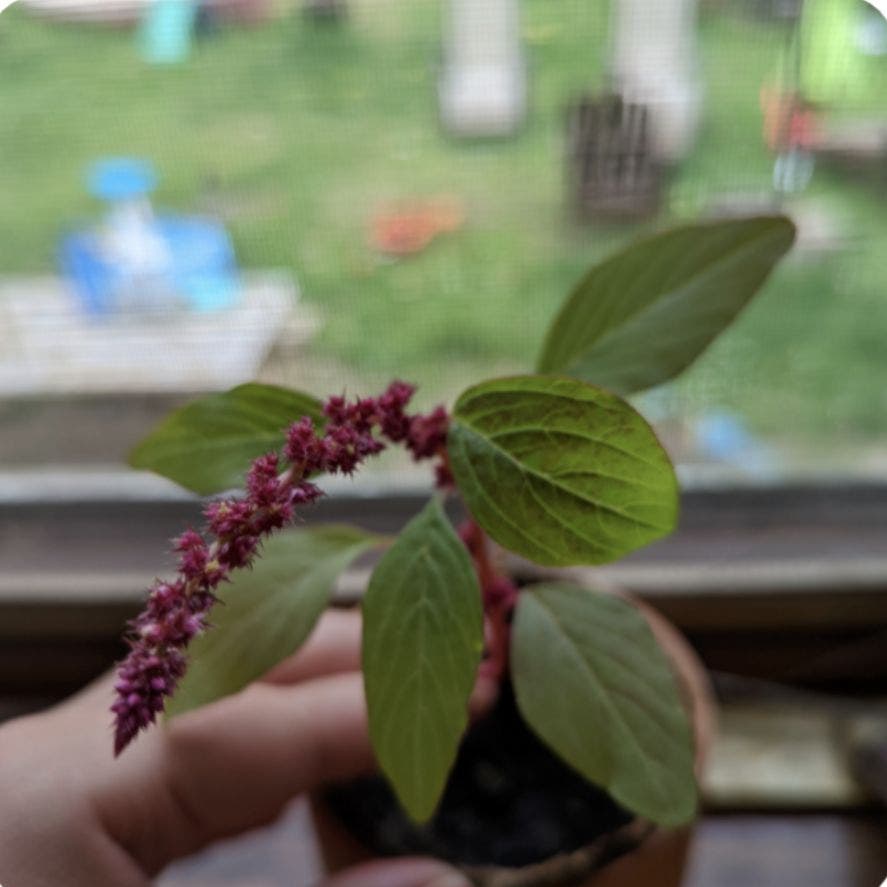
🌸 4 Tips for Fixing Flower Problems in Green Amaranth
Amaranthus chlorostachys
By the Greg Editorial Team
Nov 23, 2024•6 min read
This article was created with the help of AI so we can cover more plants for you. May contain errors. See one? Report it here.
Revive your Green Amaranth blooms 🌸 by uncovering common causes of failure and simple solutions to thrive!
- 🌱 Environmental stress and poor soil hinder Green Amaranth blooming. Improve conditions!
- ☀️ 6-8 hours of sunlight daily is essential for thriving flowers. Ensure proper exposure!
- 🌿 Balanced fertilization with phosphorus and potassium boosts flower development. Feed wisely!
Common Causes of Failure to Bloom
🌸 Identifying Failure to Bloom
When your Green Amaranth fails to bloom, it often shows clear signs. You might notice a lack of flower buds or an extended vegetative growth phase, especially during the flowering season when you expect those vibrant blooms.
🔍 Potential Causes
Several factors can contribute to this blooming issue.
Environmental Stress
Temperature fluctuations and inadequate light exposure can stress the plant, hindering its ability to flower.
Soil Quality
Poor drainage or nutrient-poor soil can also play a significant role in preventing blooms.
Pest Impact
Infestations can weaken plant health, making it difficult for your Green Amaranth to produce flowers.
🌱 Solutions for Encouraging Blooming
To encourage blooming, consider these practical solutions:
- Assess Environmental Conditions: Ensure the temperature stays between 20°C to 30°C (68°F to 86°F) for optimal growth.
- Improve Soil Quality: Amend your soil with organic matter and ensure it drains well to support healthy root systems.
- Increase Light Exposure: Aim for at least 6-8 hours of direct sunlight daily to energize your plants.
- Monitor for Pests: Regularly inspect your plants and treat any infestations with organic pesticides to maintain their health.
By addressing these common causes and implementing these solutions, you can help your Green Amaranth thrive and bloom beautifully. Next, let’s explore the issue of premature flower drop and how to prevent it.
Premature Flower Drop
🌼 Identifying Signs of Bud Drop
Premature flower drop can be disheartening for any gardener. Look out for symptoms like dropping flower buds before they bloom and wilting flowers, often noticed shortly after bud formation.
⚠️ Factors Leading to Premature Flower Drop
Several factors can contribute to this issue. Nutritional deficiencies, particularly a lack of essential nutrients like phosphorus and potassium, can hinder flower development.
Environmental stress also plays a significant role. High temperatures or sudden changes in humidity can shock the plant, leading to bud drop. Additionally, watering issues, whether from inconsistent moisture levels or overwatering, can further exacerbate the problem.
🛠️ Remedies for Preventing Bud Drop
Fortunately, there are effective remedies to prevent bud drop.
- Ensure consistent watering: Maintain even moisture without waterlogging to keep your plants happy.
- Fertilize appropriately: Use a balanced fertilizer that provides adequate phosphorus and potassium to support healthy blooms.
- Provide shade during extreme heat: Utilize shade cloth to protect your plants from excessive sunlight during scorching days.
By addressing these factors, you can help your Green Amaranth thrive and enjoy a vibrant bloom season. Next, let’s explore how light impacts flowering and what you can do to optimize it.
Abnormal Flower Development
Signs of Abnormal Flower Formation 🌼
Abnormal flower development can be alarming for any gardener. Look for signs like irregular shapes and stunted growth of flower clusters, which often indicate underlying issues.
Timing of Abnormalities ⏰
These abnormalities typically surface during the flowering season, when you expect your Green Amaranth to be at its best. If you notice these signs, it’s time to investigate further.
Causes of Abnormal Flower Development 🔍
Several factors can contribute to abnormal flower formation.
Genetic Factors
Genetic variations among different varieties of Green Amaranth can affect flower morphology. Some plants may simply be predisposed to irregular growth.
Nutrient Imbalances
Excess nitrogen is a common culprit, leading to lush foliage but poor flowering. This imbalance can detract from the overall health of your plants.
Environmental Factors
Inconsistent light exposure or temperature stress can also hinder proper flower development. Fluctuations in these conditions can confuse the plant's growth cycles.
Solutions to Promote Healthy Flower Growth 🌱
Fortunately, there are effective strategies to encourage healthy flower growth.
Optimize Nutrient Balance
Start by using a fertilizer with a balanced NPK ratio. This ensures that your plants receive the essential nutrients they need for robust flowering.
Ensure Consistent Light Exposure
Maintaining stable light conditions throughout the day is crucial. Aim for at least 6-8 hours of direct sunlight to support healthy growth.
Monitor Plant Health
Regularly check your plants for signs of stress. Adjust your care routine as needed to address any emerging issues promptly.
By implementing these solutions, you can help your Green Amaranth thrive and produce beautiful blooms. Next, let’s explore the impact of light on flowering and how it can enhance your gardening success.
Impact of Light on Flowering
Importance of Adequate Sunlight 🌞
Light is crucial for triggering the bloom cycle in Green Amaranth. It fuels photosynthesis, providing the energy plants need to grow and produce flowers.
To thrive, these plants require full sun exposure for at least 6-8 hours daily. Without sufficient light, blooming can be delayed or even prevented.
Effects of Light Duration and Intensity on Bloom Cycle 💡
Understanding photoperiodism is essential for successful flowering. Green Amaranth reacts differently to short and long days, influencing its blooming patterns.
If natural light is lacking, especially during shorter days, consider using grow lights. This adjustment can help maintain healthy growth and encourage vibrant blooms.
By ensuring your plants receive the right amount of light, you set the stage for a flourishing garden. Next, let’s explore the nutritional needs that support optimal flower development.
Nutritional Needs for Flowering
🌱 Key Nutrients for Optimal Flower Development
To ensure your Green Amaranth blooms beautifully, focus on essential nutrients: nitrogen, phosphorus, potassium, and trace minerals. These elements play a crucial role in promoting healthy growth and vibrant flowers.
Balanced fertilization is vital. It prevents nutrient lockout and deficiencies, ensuring your plants receive what they need to thrive.
⚠️ Signs of Nutrient Deficiencies Affecting Flowering
Watch for yellowing leaves, which often indicate a nitrogen deficiency. This symptom can hinder your plant's overall health and flowering potential.
Poor flower formation may suggest phosphorus or potassium deficiencies. Addressing these issues early can make a significant difference in your plant's blooming success.
🛠️ Solutions for Nutritional Balance
Regular soil testing is key to understanding your soil's nutrient profile. This practice allows you to tailor your fertilization strategy effectively.
Targeted fertilization can help correct deficiencies. By applying the right nutrients at the right time, you can support your Green Amaranth in achieving its full flowering potential.
With proper care and attention to nutritional needs, your plants will flourish and reward you with stunning blooms. Next, let’s explore how light impacts flowering and the best practices for providing adequate sunlight.
⚠️ Safety First
This content is for general information and may contain errors, omissions, or outdated details. It is not medical, veterinary advice, or an endorsement of therapeutic claims.
Always consult a qualified healthcare professional before using any plant as food, medicine, or supplement.
Never eat any plant (or feed one to pets) without confirming its identity with at least two trusted sources.
If you suspect poisoning, call Poison Control (800) 222-1222, the Pet Poison Helpline (800) 213-6680, or your local emergency service immediately.
Spotted an error? Please report it here.
Transform your Green Amaranth into a blooming beauty 🌼 by using Greg's tailored care reminders and nutrient tracking to tackle environmental stress and soil quality!