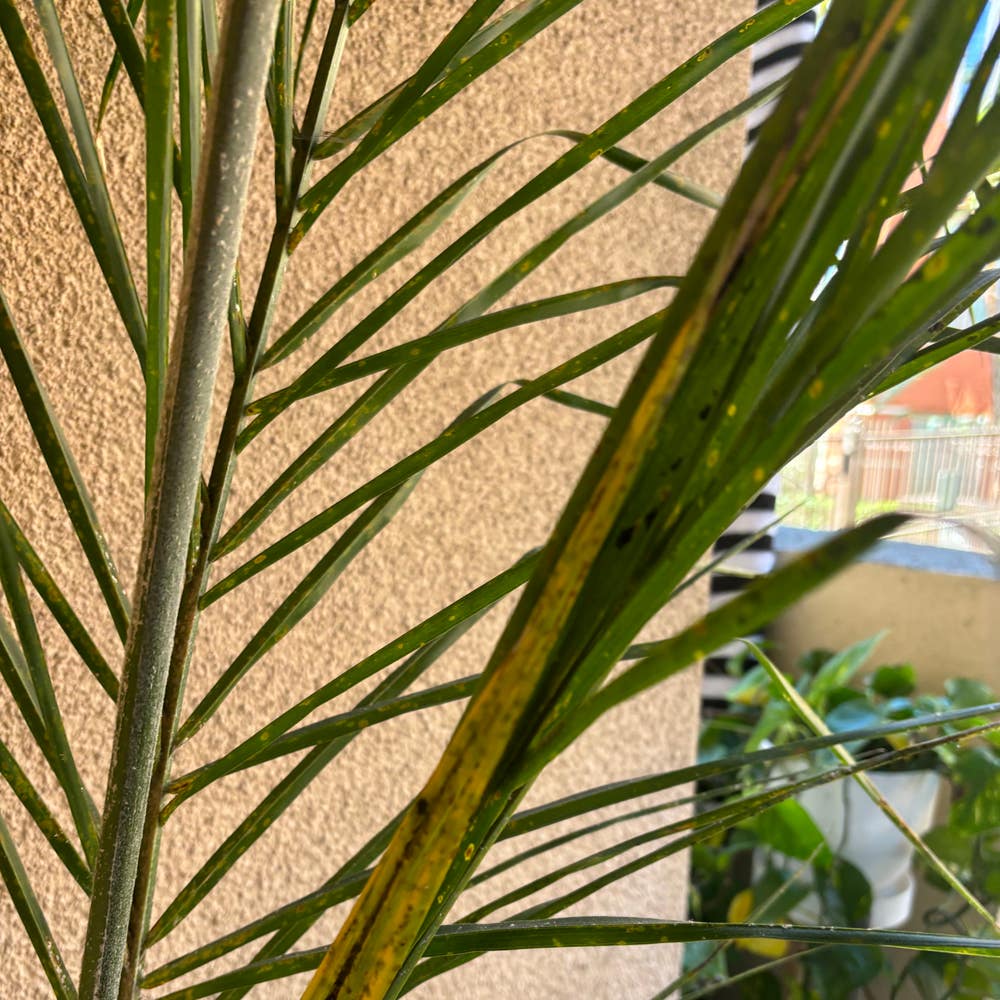
Identifying What is Eating Your Dwarf Queen Palm 🐞
Syagrus romanzoffiana 'Dwarf'
By the Greg Editorial Team
Oct 20, 2024•7 min read
This article was created with the help of AI so we can cover more plants for you. May contain errors. See one? Report it here.
- 🌴 Dwarf Queen Palms attract herbivores like deer, rabbits, and squirrels due to their appeal.
- 🚫 Effective deterrents include fencing, repellents, and encouraging beneficial wildlife for balance.
- 🐾 Regular monitoring for damage ensures early intervention and protects your palm's health.
Description and Appeal
The Dwarf Queen Palm is a stunning addition to any garden, showcasing feathery fronds and a slender trunk that can reach heights of 10 to 15 feet. Its elegant appearance makes it a favorite among plant enthusiasts and wildlife alike.
🐾 Most Appealing Parts to Animals
Fruits
The palm produces small, attractive fruits that are not only visually appealing but also nutrient-rich. These fruits serve as a delicious snack for various herbivores.
Flowers
Bright and fragrant flowers bloom, drawing in pollinators such as bees and butterflies. Their vibrant colors and sweet scents create a lively atmosphere in your garden.
Young Shoots
Soft and tender young shoots are another highlight, offering high nutritional value. These shoots are particularly enticing to animals looking for a nutritious meal.
The Dwarf Queen Palm's allure lies in its beauty and the bounty it provides, making it a magnet for both admiration and nibbling. Understanding what attracts animals can help you protect this stunning plant while enjoying its many benefits.
Common Herbivores
🦌 Deer
Signs of presence and damage caused
Look for hoof prints in the soil, a clear indicator of deer activity. Damage often includes browsing on fronds and stripped leaves, leaving your Dwarf Queen Palm looking ragged.
Beneficial vs. harmful interaction
Deer interactions are generally harmful. Their feeding habits can significantly weaken your palm, making it more susceptible to disease.
Deterrent methods
To keep deer at bay, consider using commercial deer repellents. Alternatively, plant deer-resistant species nearby or scatter human hair and soap shavings around your palm for a more organic approach.
🐇 Rabbits
Signs of presence and damage caused
Rabbits leave behind small, rounded footprints, which can be a telltale sign of their presence. They tend to gnaw on young shoots and lower fronds, stunting growth.
Beneficial vs. harmful interaction
Rabbits are generally harmful to your Dwarf Queen Palm. Their feeding can lead to significant plant decline, so it's best to manage their presence.
Deterrent methods
Bitter-tasting sprays can deter rabbits effectively. For a more straightforward solution, erect a fence that’s 2-3 feet high or sprinkle cayenne pepper around the base of the palm.
🐿️ Squirrels
Signs of presence and damage caused
Chewed fronds and scattered debris are common signs of squirrel activity. They often strip bark and nibble on fronds, causing noticeable damage.
Beneficial vs. harmful interaction
Squirrels are generally harmful to your palm. Their frond damage can be significant, impacting the overall health of the plant.
Deterrent methods
Commercial squirrel repellents can be effective. You might also try installing motion-activated sprinklers or using predator urine to keep them away.
🐦 Birds
Signs of presence and damage caused
Look for droppings and peck marks on fruits as signs of bird activity. While they may eat fruits and flowers, they can also help with seed dispersal.
Beneficial vs. harmful interaction
Birds are generally beneficial. They contribute to pollination and seed dispersal, enhancing the health of your garden ecosystem.
Deterrent methods
Non-toxic bird repellents can help manage their presence. Hanging reflective objects or using netting can also deter them without harming their beneficial role.
🐭 Rodents
Signs of presence and damage caused
Burrows near the base of the palm indicate rodent activity. They tend to gnaw on roots and lower fronds, which can stress the plant.
Beneficial vs. harmful interaction
Rodents are generally harmful. Their feeding habits can lead to root damage, putting your Dwarf Queen Palm at risk.
Deterrent methods
Consider using rodent bait stations for chemical deterrence. Alternatively, trapping or applying natural repellents like peppermint oil can be effective organic methods.
Understanding these common herbivores and their interactions with your Dwarf Queen Palm is crucial for maintaining its health. By employing effective deterrent methods, you can protect your plant while fostering a balanced ecosystem. Next, let’s explore the beneficial animals that can positively impact your garden.
Beneficial Animals and Ecosystem Impact
🐝 Pollinators: Bees and Butterflies
Dwarf Queen Palms attract a variety of beneficial animals, particularly pollinators like bees and butterflies. These creatures are essential for the reproduction of many plants, including your palm, as they transfer pollen from flower to flower.
🍓 Seed Dispersers: Fruit-Eating Birds
Birds that consume the fruits of the Dwarf Queen Palm play a crucial role in seed dispersal. By eating the fruits and later excreting the seeds, they help propagate new plants, contributing to the overall health of your garden.
🌼 Enhanced Pollination
The presence of these pollinators leads to enhanced pollination, which results in better fruit production. A thriving ecosystem not only benefits your Dwarf Queen Palm but also enriches the surrounding flora.
🦅 Natural Pest Control
Additionally, these animals contribute to natural pest control through predation. Birds and beneficial insects can help keep harmful pests in check, reducing the need for chemical interventions.
🌍 A Balanced Ecosystem
Encouraging beneficial animals creates a balanced ecosystem. By attracting pollinators and seed dispersers, you foster a vibrant garden environment that supports both plant health and biodiversity.
This interplay between your Dwarf Queen Palm and its beneficial visitors highlights the importance of nurturing a diverse garden. As we explore general protection strategies next, consider how to maintain this delicate balance while safeguarding your palm from potential threats.
General Protection Strategies
Protecting your Dwarf Queen Palm requires a proactive approach. Regular monitoring for signs of animal damage is essential to catch issues early.
🛡️ Preventive Measures
Creating a diverse garden can attract beneficial species that help maintain balance. Consider planting flowers and shrubs that draw in pollinators and other helpful wildlife.
⚠️ Reactive Solutions
If you notice damaged fronds, remove them immediately. This prevents further attraction of herbivores that might be drawn to the scent or sight of the damage.
🚧 Barriers and Traps
Using physical barriers, like fencing, can effectively keep unwanted animals at bay. Traps can also be employed for more persistent pests, ensuring your palm remains safe.
🌱 Balancing Ecosystem Health
It's crucial to encourage beneficial animals while deterring harmful ones. Strive for a garden environment that supports pollinators and natural pest control, fostering a healthy ecosystem.
By implementing these strategies, you can protect your Dwarf Queen Palm while promoting a thriving garden environment. Next, let’s explore how seasonal changes affect animal interactions with your palm.
Seasonal Considerations
Seasonal Variations in Animal Attraction 🦜
As the seasons change, so does the behavior of animals around your Dwarf Queen Palm. You’ll notice increased herbivore activity during spring and summer, when food is plentiful and young shoots are tender.
Timing of Plant Vulnerability ⏳
The early growth stages are particularly vulnerable. Young shoots are soft and nutritious, making them a prime target for hungry critters.
Strategies for Seasonal Protection 🛡️
To protect your palm, adjust your deterrent methods based on seasonal behavior patterns. For instance, consider using stronger repellents during peak feeding times in spring and summer.
Monitoring and Adaptation 👀
Regularly monitor your palm for signs of damage. Being proactive can help you stay one step ahead of potential threats.
By understanding these seasonal dynamics, you can better safeguard your Dwarf Queen Palm while fostering a thriving garden ecosystem. This knowledge sets the stage for effective protection strategies, which we’ll explore next.
Toxicity and Animal Interaction
Mild Toxicity to Herbivores 🐾
The Dwarf Queen Palm may pose mild toxicity to certain herbivores. While it's not lethal, ingestion can lead to digestive discomfort, making it less appealing to some animals.
Understanding Animal Preferences 🦙
Recognizing which animals are deterred by the palm's mild toxicity can help in managing your garden. For instance, herbivores that experience adverse effects may avoid the plant, allowing it to thrive.
Implications for Plant Management 📊
Understanding these interactions is crucial for effective plant management. By knowing which animals are likely to be deterred, you can tailor your protection strategies accordingly.
Balancing Ecosystem Dynamics ⚖️
It's essential to strike a balance between protecting your Dwarf Queen Palm and maintaining a healthy ecosystem. Encouraging beneficial animals while deterring those that may cause harm can lead to a flourishing garden.
Final Thoughts 💭
Incorporating knowledge about toxicity and animal behavior can enhance your gardening experience. With the right strategies, you can protect your plants while fostering a vibrant ecosystem.
As we move forward, let's explore seasonal considerations that affect animal interactions with your Dwarf Queen Palm.
⚠️ Safety First
This content is for general information and may contain errors, omissions, or outdated details. It is not medical, veterinary advice, or an endorsement of therapeutic claims.
Always consult a qualified healthcare professional before using any plant as food, medicine, or supplement.
Never eat any plant (or feed one to pets) without confirming its identity with at least two trusted sources.
If you suspect poisoning, call Poison Control (800) 222-1222, the Pet Poison Helpline (800) 213-6680, or your local emergency service immediately.
Spotted an error? Please report it here.
Safeguard your Dwarf Queen Palm from pesky herbivores 🦌 with Greg's personalized deterrent tips and monitoring reminders, ensuring your plant flourishes in a thriving ecosystem! 🌱