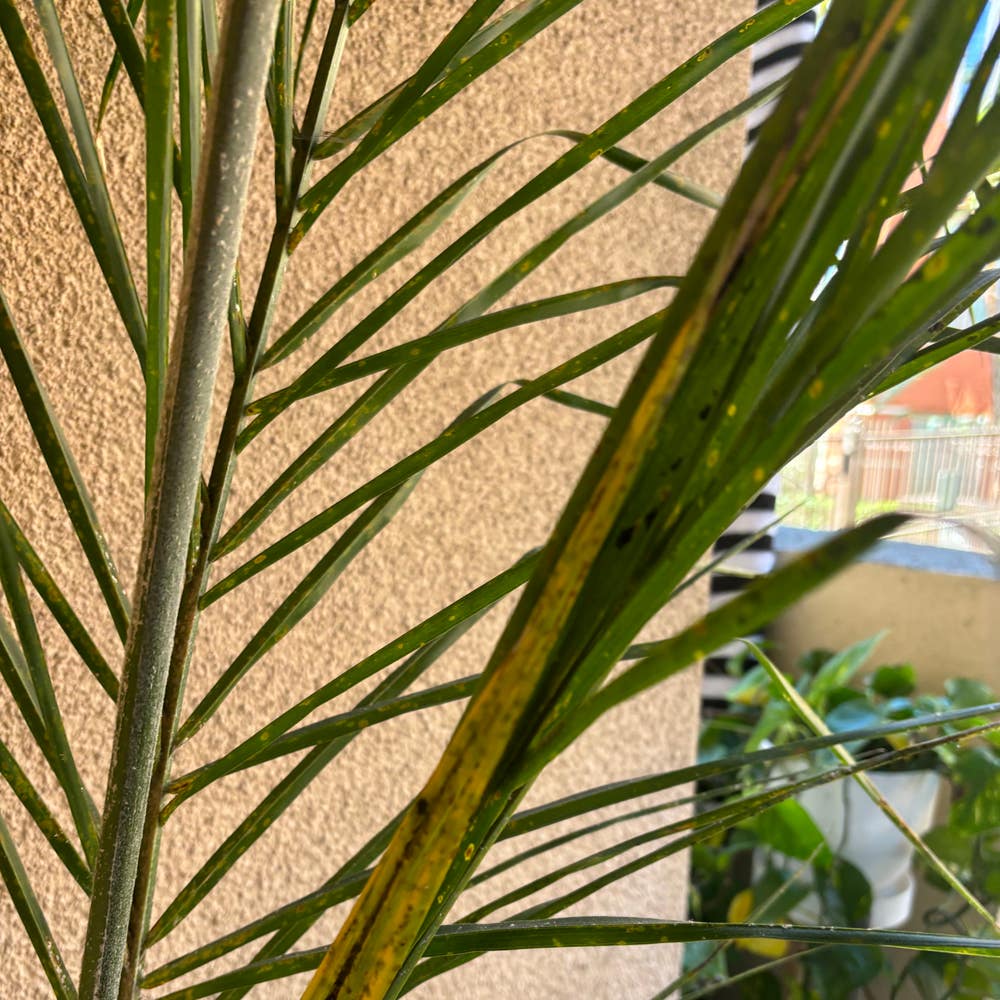
🌴 Understanding Black Spots on Your Dwarf Queen Palm Leaves
Syagrus romanzoffiana 'Dwarf'
By the Greg Editorial Team
Oct 20, 2024•7 min read
This article was created with the help of AI so we can cover more plants for you. May contain errors. See one? Report it here.
- 🌱 Black spots arise from fungal or bacterial infections and environmental stress.
- 💧 Overwatering and poor drainage contribute to bacterial issues; adjust watering techniques.
- 🌞 Bright, indirect light and humidity control are essential for Dwarf Queen Palm health.
Causes of Black Spots
🍄 Fungal Infections
Fungal infections are a primary culprit behind black spots on your Dwarf Queen Palm leaves. These spots often appear as dark, irregular shapes that can spread quickly if not addressed.
High humidity and poor air circulation create ideal conditions for fungal growth. If your palm is in a damp, stagnant environment, it’s time to reassess its placement.
🦠 Bacterial Infections
Bacterial infections can also lead to unsightly black spots. Look for symptoms like a water-soaked appearance and yellow halos surrounding the spots.
Overwatering and poor drainage are common conditions that promote bacterial growth. If your palm is sitting in soggy soil, it’s a red flag for potential bacterial issues.
🌪️ Environmental Stress Factors
Environmental stress can significantly impact the health of your palm leaves. Temperature fluctuations, such as exposure to cold drafts or heat sources, can cause stress that manifests as black spots.
Maintaining high humidity levels is crucial for your Dwarf Queen Palm. Additionally, soil drainage issues, like compacted or poorly draining soil, can lead to root problems and exacerbate leaf discoloration.
Understanding these causes is the first step in addressing the black spots on your palm. Next, we’ll explore how to diagnose the type of spots you’re dealing with.
Diagnosis
Identifying the Type of Black Spots 🕵️♂️
Understanding the type of black spots on your Dwarf Queen Palm is crucial for effective treatment. Fungal spots typically appear as dark, irregular shapes, while bacterial spots often have a water-soaked look with yellow halos surrounding them.
The progression patterns also differ. Fungal infections tend to spread more slowly, while bacterial infections can escalate quickly, affecting larger areas of the leaf.
Assessing Environmental Factors 🌍
Evaluating your palm's growing conditions is essential. Look for signs of environmental stress, such as wilting, curling, or discoloration of leaves, which can indicate underlying issues.
These symptoms often point to factors like temperature fluctuations or inadequate humidity levels, both of which can severely impact leaf health.
Tools for Diagnosis 🛠️
Visual Inspection
Conducting a thorough visual check is the first step in diagnosing black spots. Look for patterns in leaf damage, noting whether the spots are clustered or spread out.
Also, check for other symptoms like wilting or yellowing, which can provide additional clues about the plant's overall health.
Soil Moisture Testing
Assessing soil moisture levels is vital for palm health. You can use a moisture meter for precise readings or simply perform a finger test by inserting your finger into the soil.
Ensuring proper soil drainage is crucial, as overly wet conditions can lead to both fungal and bacterial infections.
By combining visual inspections with soil moisture testing, you can effectively diagnose the issues affecting your Dwarf Queen Palm. This proactive approach sets the stage for targeted treatments and healthier growth.
Treatment Options
🧪 Chemical Treatments
Fungicides for Fungal Infections
Fungal infections can wreak havoc on your Dwarf Queen Palm, but the right fungicides can help. Look for products containing active ingredients like chlorothalonil or propiconazole, applying them according to the manufacturer's instructions.
Timing is crucial; apply fungicides during the early morning or late afternoon to avoid leaf burn. Generally, treatments should be repeated every 7 to 14 days until the infection is under control. Always prioritize safety by wearing gloves and a mask when handling chemicals indoors.
Bactericides for Bacterial Infections
For bacterial infections, effective bactericides can make a significant difference. Products with copper-based compounds are often recommended, as they target the bacteria without harming the plant.
When applying, use a gentle spray technique to minimize leaf damage. Always follow label instructions closely to ensure you're using the right dosage and method for optimal results.
🌿 Natural Remedies
Neem Oil Application
Neem oil is a fantastic natural remedy for treating black spots on your palm leaves. It works by disrupting the life cycle of pests and fungi, making it a versatile option.
Dilute neem oil according to the package instructions, typically around 1-2 tablespoons per gallon of water. Apply every 7 to 14 days, ensuring you cover both the tops and undersides of the leaves. It’s safe for indoor use, but always test a small area first to check for any adverse reactions.
Baking Soda Solution
A simple baking soda solution can also help combat black spots. Mix 1 tablespoon of baking soda with 1 gallon of water to create an effective treatment.
You can apply this solution as a spray or a soil drench, depending on the severity of the issue. While it’s a great preventive measure, be aware that it may not be as effective for severe infections. Regular applications can help keep your palm healthy and vibrant.
As you explore these treatment options, remember that prevention is key. Next, we’ll dive into strategies to keep your Dwarf Queen Palm thriving and free from black spots.
Prevention Strategies
💧 Proper Watering Techniques
Avoiding Overwatering
Overwatering is a common issue for Dwarf Queen Palms. Watch for yellowing leaves and root rot, which are clear signs that your plant is getting too much water.
To prevent this, establish a watering schedule that allows the soil to dry out between waterings. Typically, watering every 1-2 weeks is sufficient, depending on your environment.
🚰 Ensuring Good Drainage
Good drainage is crucial for palm health. Well-draining soil prevents water from pooling, which can lead to root rot.
Consider using a soil mix designed for palms or adding perlite to your potting mix. Additionally, choose pots with drainage holes to enhance airflow and drainage.
🌱 Nutritional Needs
Fertilization Schedule
Regular fertilization supports healthy growth. Use a balanced fertilizer every 4-6 weeks during the growing season.
Keep an eye out for signs of nutrient deficiencies, such as yellowing leaves or stunted growth. These symptoms indicate that your palm may need a nutrient boost.
Identifying Nutrient Deficiencies
Common deficiencies include nitrogen, potassium, and magnesium. Each deficiency presents unique symptoms, like yellowing leaves or poor growth.
To correct these issues, apply the appropriate fertilizer and adjust your care routine accordingly.
🌞 Environmental Adjustments
Optimal Light Conditions
Dwarf Queen Palms thrive in bright, indirect light. Insufficient light can lead to leggy growth and pale leaves, signaling that your palm isn't getting enough energy.
Position your palm near a window that receives filtered sunlight to ensure it flourishes.
💨 Humidity Control
Maintaining humidity is vital for these tropical plants. Indoor air can be dry, especially in winter, which can stress your palm.
Use humidifiers, pebble trays, or group plants together to create a more humid environment. This will help keep your Dwarf Queen Palm healthy and vibrant.
By implementing these prevention strategies, you can significantly reduce the risk of black spots and ensure your Dwarf Queen Palm thrives. Next, let’s explore ongoing care to keep your palm in top shape year-round.
Ongoing Care
🕵️♂️ Regular Monitoring for Signs of Black Spots
Routine inspections are crucial for maintaining the health of your Dwarf Queen Palm. Aim to check your plant weekly or bi-weekly for any signs of black spots or other issues.
Keeping a care journal can be incredibly beneficial. Documenting changes helps you track the plant's health over time and identify patterns that may indicate underlying problems.
🌦️ Seasonal Care Adjustments
Winter Care
During colder months, your Dwarf Queen Palm requires special attention. Temperature management is key; avoid placing your palm near cold drafts or heat sources that can stress the plant.
Humidity is another critical factor in winter. Consider using a humidifier or placing a pebble tray filled with water nearby to maintain optimal moisture levels.
Summer Care Considerations
As temperatures rise, your palm will need increased watering and humidity. Monitor the soil moisture closely to prevent it from drying out, as summer heat can quickly dehydrate your plant.
Additionally, keep an eye out for pests and diseases during this peak growth period. Regular checks will help you catch any issues early, ensuring your Dwarf Queen Palm thrives throughout the summer months.
By staying vigilant and adjusting your care routine seasonally, you can keep your palm healthy and vibrant all year round.
⚠️ Safety First
This content is for general information and may contain errors, omissions, or outdated details. It is not medical, veterinary advice, or an endorsement of therapeutic claims.
Always consult a qualified healthcare professional before using any plant as food, medicine, or supplement.
Never eat any plant (or feed one to pets) without confirming its identity with at least two trusted sources.
If you suspect poisoning, call Poison Control (800) 222-1222, the Pet Poison Helpline (800) 213-6680, or your local emergency service immediately.
Spotted an error? Please report it here.
Keep your Dwarf Queen Palm spot-free 🌿 by using Greg's tailored care reminders and expert tips to tackle black spots before they become a problem!