🌴 Why Dwarf Queen Palm Is A Perennial Plant
Syagrus romanzoffiana 'Dwarf'
By the Greg Editorial Team
Oct 20, 2024•5 min read
This article was created with the help of AI so we can cover more plants for you. May contain errors. See one? Report it here.
- 🌱 Dwarf Queen Palm lives 20-30 years, thriving with proper care and conditions.
- 🌞 Compact growth suits small gardens, reaching heights of 6 to 10 feet.
- 🌿 Annual regeneration from roots enhances resilience and reduces replanting needs.
Characteristics of Dwarf Queen Palm as a Perennial
Multi-Year Lifecycle 🌱
The Dwarf Queen Palm undergoes a fascinating lifecycle that spans several stages. It begins with seed germination, where tiny seeds sprout into juvenile plants, followed by a period of growth that leads to maturity and eventual reproduction.
Under optimal conditions, this palm can live for 20 to 30 years. This impressive lifespan makes it a valuable addition to any garden, providing beauty and structure for decades.
Growth Patterns and Regrowth from Roots 🌿
One of the standout features of the Dwarf Queen Palm is its compact growth habit, typically reaching heights of 6 to 10 feet. This makes it an excellent choice for smaller gardens or as a focal point in larger landscapes.
The palm's established root system plays a crucial role in its annual growth. Each year, it utilizes these roots to regenerate, ensuring a robust and healthy plant that can withstand various environmental challenges.
By understanding these characteristics, gardeners can appreciate the Dwarf Queen Palm's resilience and beauty. This knowledge sets the stage for exploring its impact as a perennial plant in the next section.
Impact of Perennial Nature
Effects on Growth and Flowering 🌸
The Dwarf Queen Palm showcases unique flowering patterns that align with its perennial nature. Typically, it blooms several times a year, with flowers emerging in cycles that correspond to seasonal changes.
These flowering cycles are influenced by the plant's growth phases. During warmer months, expect vibrant blooms, while cooler periods may see a slowdown in flowering activity.
Overall Lifespan and Longevity Factors ⏳
Several factors play a crucial role in the longevity of the Dwarf Queen Palm. Soil quality, water availability, and climate conditions significantly impact its lifespan, which can reach up to 30 years under optimal circumstances.
Proper care is essential for extending the life of this palm. Regular maintenance, including appropriate watering and fertilization, can make a substantial difference in its overall health and longevity.
As you consider the Dwarf Queen Palm for your garden, remember that understanding its growth and flowering patterns, along with the factors influencing its lifespan, will help you cultivate a thriving plant. Next, we’ll explore dormancy and seasonal changes that affect this resilient palm.
Dormancy and Seasonal Changes
Description of Dormancy Periods 🌱
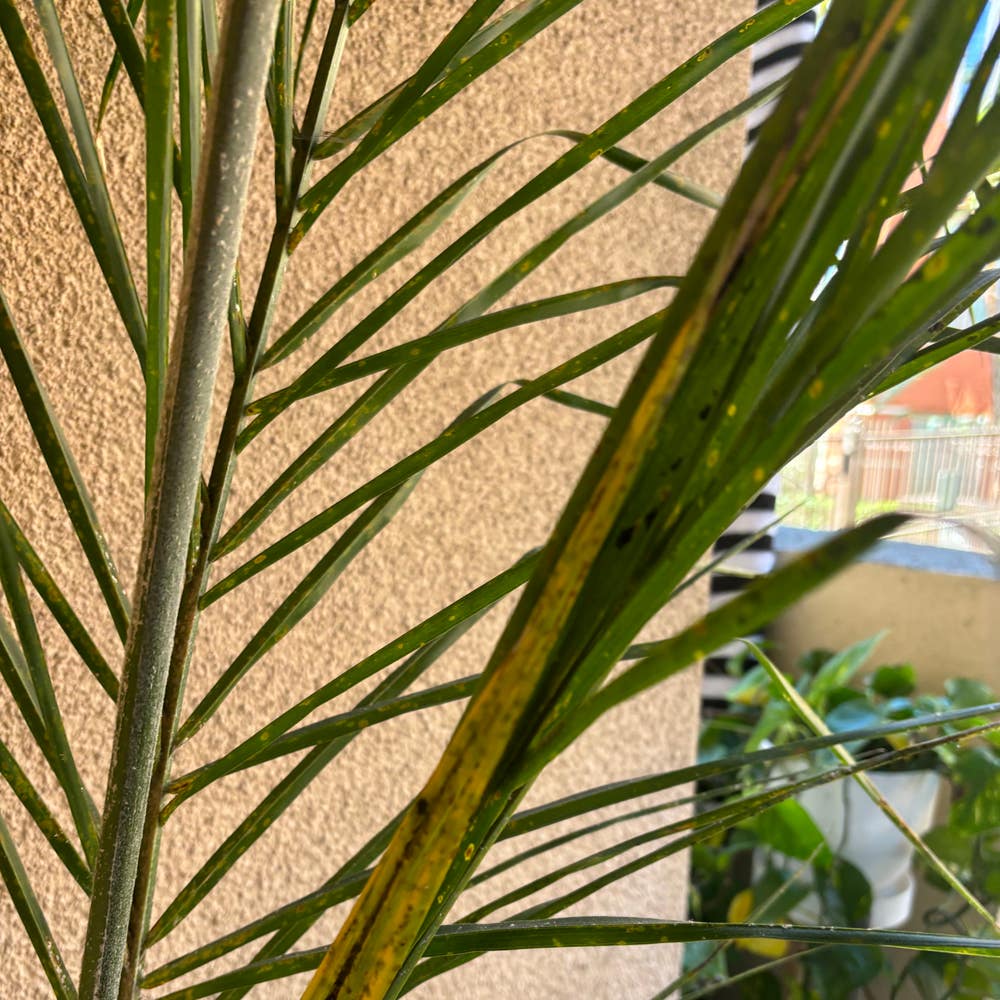
The Dwarf Queen Palm exhibits distinct signs when entering dormancy. Look for reduced growth, yellowing fronds, and a general slowdown in activity.
Dormancy typically lasts several months, varying by climate. In warmer regions, it may be shorter, while cooler climates can extend this period significantly.
Seasonal Changes Experienced by Dwarf Queen Palm 🌦️
As seasons change, the Dwarf Queen Palm adapts remarkably. It responds to temperature fluctuations by slowing down growth in colder months and revving up as temperatures rise.
These seasonal shifts impact overall health and vigor. During dormancy, the plant conserves energy, ensuring a robust resurgence when conditions improve.
Advantages for Gardeners
Benefits of Reduced Replanting 🌱
Planting Dwarf Queen Palm is a smart long-term investment. These perennials thrive for years, reducing the need for frequent replanting and saving you both time and money.
Sustainability is another significant advantage. By maintaining established plants, you contribute positively to the environment, promoting biodiversity and reducing waste.
Importance of Established Root Systems 🌳
Established root systems are crucial for the stability and resilience of Dwarf Queen Palm. These roots anchor the plant, allowing it to withstand adverse weather conditions and thrive over time.
Moreover, healthy root systems play a vital role in improving soil health. They enhance soil structure and nutrient availability, benefiting not just the palm but also surrounding plants in your garden.
As you consider the advantages of Dwarf Queen Palm, think about how these factors can enhance your gardening experience. With their longevity and environmental benefits, they are a fantastic choice for any garden enthusiast.
Variations Across Climate Zones
Differences in Perennial Behavior in Various Climates 🌴
The Dwarf Queen Palm is a true champion of adaptability. Thriving in tropical and subtropical regions, it flourishes in warm, humid environments where it can reach its full potential.
In cooler climates, however, the Dwarf Queen Palm faces challenges. It may struggle with lower temperatures and frost, requiring careful placement and protection to survive.
Factors Influencing Growth in Different Conditions 🌱
Soil type and drainage are crucial for the Dwarf Queen Palm's success. Well-draining soil prevents waterlogging, which can lead to root rot and other issues.
Temperature and humidity also play significant roles in its growth patterns. Optimal conditions promote vigorous growth, while extremes can hinder its health and flowering capabilities.
Understanding these factors helps gardeners create the best environment for their Dwarf Queen Palms, ensuring they thrive year after year.
As we explore the advantages of this remarkable plant, we’ll see how its perennial nature benefits garden planning and maintenance.
Maximizing Benefits in Garden Planning
🌱 Tips for Utilizing Dwarf Queen Palm's Perennial Nature
Strategic Placement
Positioning your Dwarf Queen Palm thoughtfully can enhance your garden's aesthetic. Aim for a spot with partial sunlight, as this palm thrives best with some shade during the hottest parts of the day.
Companion Planting
Consider pairing your Dwarf Queen Palm with plants that share similar light and water needs. Options like ferns or tropical flowering plants can create a lush, vibrant environment while minimizing competition for resources.
📈 Long-Term Cultivation Strategies
Maintenance Routines
Establish a routine that includes regular watering and occasional fertilization. This will help ensure your Dwarf Queen Palm remains healthy and vibrant throughout its long life.
Monitoring Health
Keep an eye out for signs of stress, such as yellowing leaves or stunted growth. Early detection of these issues can help you take corrective measures, ensuring your palm thrives for years to come.
By implementing these strategies, you can maximize the benefits of your Dwarf Queen Palm, creating a stunning focal point in your garden while enjoying its perennial nature. Next, let’s explore how variations across climate zones affect its growth and adaptability.
⚠️ Safety First
This content is for general information and may contain errors, omissions, or outdated details. It is not medical, veterinary advice, or an endorsement of therapeutic claims.
Always consult a qualified healthcare professional before using any plant as food, medicine, or supplement.
Never eat any plant (or feed one to pets) without confirming its identity with at least two trusted sources.
If you suspect poisoning, call Poison Control (800) 222-1222, the Pet Poison Helpline (800) 213-6680, or your local emergency service immediately.
Spotted an error? Please report it here.
Ensure your Dwarf Queen Palm thrives for decades to come 🌱 with Greg's tailored watering and care reminders that keep your palm healthy and vibrant!