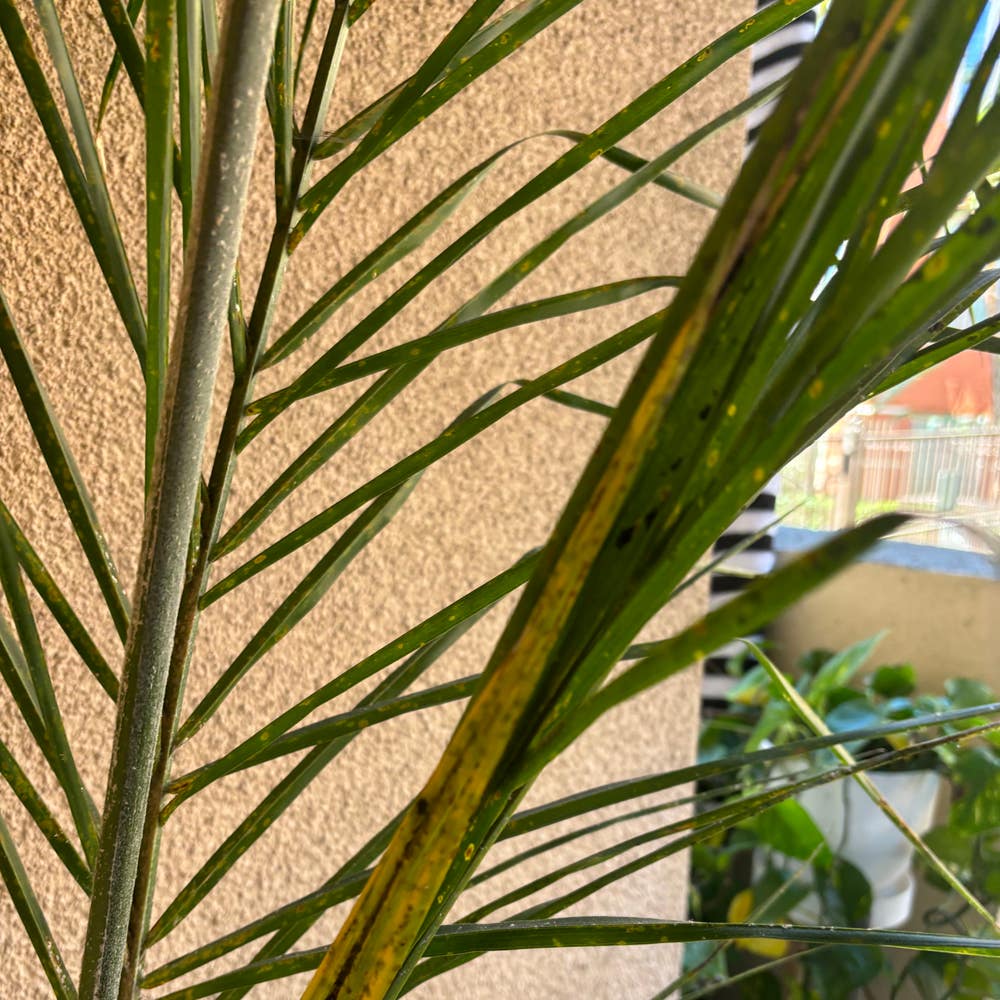
🌴 Where Can Dwarf Queen Palm Grow? Zones 9b-11b
Syagrus romanzoffiana 'Dwarf'
By the Greg Editorial Team
Oct 20, 2024•5 min read
This article was created with the help of AI so we can cover more plants for you. May contain errors. See one? Report it here.
- 🌴 Dwarf Queen Palms thrive in USDA zones 9b-11b, ideal for warmer climates.
- ❄️ They tolerate temperatures down to 20°F, but are frost-sensitive.
- 🌞 Full sun and high humidity are crucial for vibrant growth and health.
Dwarf Queen Palm Temperature Tolerance
❄️ Cold Tolerance Specifics
Dwarf Queen Palms can withstand temperatures as low as 20°F (-6°C). However, they are sensitive to frost, which can hinder their growth and overall health.
☀️ Heat Tolerance Specifics
These palms thrive in warmer conditions, ideally above 60°F (15°C). Prolonged exposure to excessive heat can stress the plant, leading to potential health issues.
🌡️ Impact of Temperature Extremes on Growth
Cold snaps can be detrimental, potentially damaging or even killing the Dwarf Queen Palm. Therefore, monitoring temperature fluctuations is crucial for successful growth and longevity.
Understanding these temperature tolerances is essential for anyone considering adding a Dwarf Queen Palm to their landscape. Next, we’ll explore the ideal regions for growing this beautiful palm.
Ideal Regions for Dwarf Queen Palm
🌴 Examples of US States in Zones 9b-11b
Dwarf Queen Palms thrive in several states within the USDA hardiness zones 9b to 11b. Notable states include Florida, California, Texas, Louisiana, and parts of Arizona.
Florida boasts a tropical climate, with warm temperatures and high humidity, making it a prime location for these palms. California offers diverse climates, but coastal areas provide the ideal conditions with mild winters and warm summers. Texas has regions that support Dwarf Queen Palms, particularly in the southern parts where temperatures remain favorable. Louisiana's humid subtropical climate also supports healthy growth, while Arizona's warmer areas can be suitable, especially in the southern regions.
🌞 Factors Contributing to Ideal Growing Conditions
Several factors contribute to the ideal growing conditions for Dwarf Queen Palms. Warm temperatures are crucial, as these palms prefer conditions above 60°F (15°C).
Humidity levels play a significant role in their health, as higher humidity promotes lush growth. Additionally, well-drained soil types are essential to prevent root rot. Sunlight exposure is another critical factor; these palms thrive in full sun, which encourages robust growth and vibrant fronds.
🌊 Comparison of Coastal vs. Inland Regions
Coastal and inland regions present different growing conditions for Dwarf Queen Palms. Coastal areas typically enjoy milder temperatures and higher humidity due to the proximity to water bodies.
In contrast, inland regions may experience more temperature fluctuations and lower humidity levels. This difference can affect the overall health of the palms, as coastal areas tend to moderate temperature extremes, providing a more stable environment for growth. Understanding these variations can help gardeners choose the best location for their Dwarf Queen Palms.
As we explore further, let’s dive into the fascinating world of microclimates and how they can impact the growth of Dwarf Queen Palms.
Microclimates and Their Impact
🌍 Definition of Microclimates
Microclimates are localized climate variations that exist within a larger area. They can be influenced by factors such as elevation, proximity to water, and urban heat islands.
🌱 How Microclimates Can Extend Growing Range
Microclimates can significantly enhance the growing range of the Dwarf Queen Palm, allowing it to thrive outside its typical hardiness zones. For instance, areas with slightly warmer temperatures or reduced frost occurrences can create ideal conditions for this palm.
🌞 Examples of Microclimates in the US
Notable microclimates exist in regions like Southern California's coastal areas and urban environments in Florida. These microclimates provide favorable conditions, such as moderated temperatures and reduced frost risk, making them perfect for cultivating Dwarf Queen Palms.
Understanding microclimates is essential for gardeners looking to maximize their success with Dwarf Queen Palms. By recognizing these localized climate variations, you can make informed decisions about where to plant and how to care for these beautiful palms.
State-Level Suitability Analysis
🌴 List of Suitable States for Dwarf Queen Palm
Dwarf Queen Palms thrive in warm climates, making several U.S. states ideal for their growth. Florida, California, Texas, Louisiana, and Arizona boast the right conditions, including mild winters and plenty of sunshine.
In Florida, the humid subtropical climate provides consistent warmth. California's diverse climate zones, particularly in the south, offer ideal conditions. Texas and Louisiana enjoy warm, humid weather, while Arizona's desert climate ensures hot summers and mild winters.
🚫 List of Unsuitable States for Dwarf Queen Palm
Not all states are suitable for Dwarf Queen Palms. States like Montana, North Dakota, and Maine face challenges due to their colder climates.
These regions experience frequent frost, low temperatures, and harsh winters, making it difficult for Dwarf Queen Palms to survive. The risk of frost damage is a significant concern in these areas.
🌡️ Reasons for Suitability or Unsuitability Based on Climate Factors
Understanding climate factors is crucial for growing Dwarf Queen Palms successfully. Frost occurrence, first and last frost dates, and overall temperature ranges play vital roles in determining suitability.
In suitable states, the growing season is longer, with fewer frost days. Conversely, unsuitable states often have short growing seasons and harsh winters, making it impractical to cultivate these palms. Monitoring these factors can help gardeners make informed decisions about where to plant Dwarf Queen Palms.
As we explore microclimates next, we'll see how localized conditions can further influence the growth of these beautiful palms.
⚠️ Safety First
This content is for general information and may contain errors, omissions, or outdated details. It is not medical, veterinary advice, or an endorsement of therapeutic claims.
Always consult a qualified healthcare professional before using any plant as food, medicine, or supplement.
Never eat any plant (or feed one to pets) without confirming its identity with at least two trusted sources.
If you suspect poisoning, call Poison Control (800) 222-1222, the Pet Poison Helpline (800) 213-6680, or your local emergency service immediately.
Spotted an error? Please report it here.
Ensure your Dwarf Queen Palms thrive beautifully 🌴 by using Greg's tailored care reminders and tips for optimal growing conditions!