👑 Dwarf Queen Palm: A Common Weed
Syagrus romanzoffiana 'Dwarf'
By the Greg Editorial Team
Oct 20, 2024•6 min read
This article was created with the help of AI so we can cover more plants for you. May contain errors. See one? Report it here.
- 🌱 Dwarf Queen Palm is an invasive weed, competing with native plants for resources.
- ⚠️ Rapid spread and prolific seeds significantly disrupt local biodiversity and ecosystems.
- 🛠️ Effective management requires early detection, community involvement, and complete root removal.
Plant Classification
Definition of Weeds and Invasive Species 🌱
Weeds are often seen as the unwanted guests in our gardens, sprouting up in cultivated areas and competing fiercely with the plants we cherish. Invasive species take this a step further; these non-native plants spread aggressively, disrupting local ecosystems and pushing out native flora.
Criteria for Classifying Dwarf Queen Palm as a Weed 🌴
The Dwarf Queen Palm exemplifies a weed through its rapid spread, easily colonizing disturbed areas. Its competitive nature allows it to outcompete native vegetation for essential resources like light, water, and nutrients.
Moreover, this palm's ecological impact is significant. It alters habitats, reducing biodiversity and changing the dynamics of local ecosystems. Understanding these characteristics is crucial for effective management and control of this invasive species.
As we delve deeper into the identification and growth habits of the Dwarf Queen Palm, we can better appreciate the challenges it poses to our gardens and natural landscapes.
Identification
Key Identifying Features 🌴
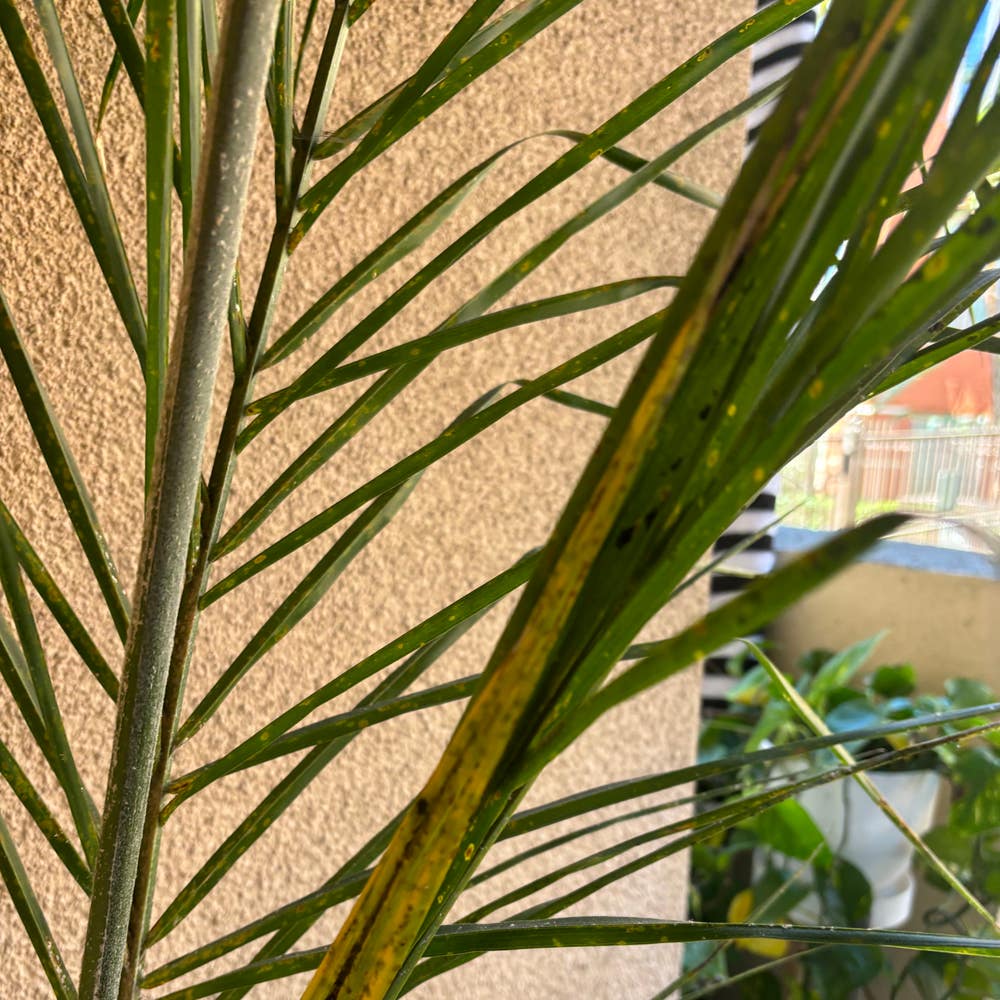
The Dwarf Queen Palm typically reaches heights of 6 to 10 feet, making it a noticeable presence in any landscape. Its feather-like, arching fronds can grow up to 3 feet long, creating a lush, tropical appearance.
The trunk of this palm is slender and smooth, often featuring a slight bulge at the base. This unique trunk shape helps distinguish it from other palm species.
Comparison with Look-Alike Plants 👀
When comparing the Dwarf Queen Palm to similar species, such as the Pygmy Date Palm, several distinguishing features emerge. The Dwarf Queen Palm has more elongated leaves and a taller growth habit.
In contrast, the Pygmy Date Palm tends to have a shorter stature and a more compact form. Recognizing these differences can help in accurately identifying the Dwarf Queen Palm in various environments.
Understanding these key features is essential for effective management and control of this invasive species. With proper identification, you can take proactive steps to mitigate its spread in your garden or local ecosystem.
Growth Habits and Spread
Typical Growth Patterns 🌱
The Dwarf Queen Palm grows rapidly, often reaching maturity within just a few years. It thrives in disturbed areas, gardens, and along roadsides, making it a common sight in many landscapes.
Reproductive Strategies and Methods of Spread 🌬️
This palm is prolific in seed production, generating numerous seeds that disperse easily through wind and water. Additionally, it can reproduce vegetatively, sprouting from cuttings or damaged roots, which enhances its spread.
Adaptability to Various Environments 🌍
Dwarf Queen Palms are remarkably adaptable, tolerating a variety of soil types, including sandy and clay soils. While they prefer tropical and subtropical climates, they can adjust to other environmental conditions, further contributing to their invasive nature.
Understanding these growth habits and reproductive strategies is crucial for effective management. The more we know about how the Dwarf Queen Palm spreads, the better equipped we are to control its impact on local ecosystems.
Ecological and Economic Impact
🌱 Effects on Native Plant Communities
Dwarf Queen Palm competes aggressively with native species, reducing biodiversity. This competition for light, water, and nutrients can lead to the decline of local flora.
Moreover, its presence alters the structure of ecosystems, disrupting established habitats. This shift can have cascading effects on local wildlife that depend on native plants for food and shelter.
💰 Economic Losses and Agricultural Issues
The economic impact of Dwarf Queen Palm is significant. Management and removal costs can strain local resources, especially in heavily infested areas.
Property values may also suffer in regions overrun by this invasive species. Additionally, its competition with crops can hinder agricultural productivity, affecting food supply and farmer livelihoods.
Understanding these impacts is crucial for effective management strategies. By addressing both ecological and economic concerns, communities can work toward a healthier environment.
Control and Management
🧤 Manual Removal Techniques
Removing the Dwarf Queen Palm can be effective if done correctly. Start by identifying infested areas, ensuring you know where the plants are concentrated.
Next, equip yourself with gloves and appropriate tools for safe removal. This step is crucial to protect your hands and ensure you can handle the task efficiently.
Finally, ensure complete root extraction to prevent regrowth. Missing even a small piece of the root can lead to a quick comeback, making this step vital.
Difficulty rating: Moderate.
🧪 Chemical Control Options and Safety Considerations
Herbicides can be a powerful ally in managing Dwarf Queen Palm infestations. Look for products specifically designed for invasive species, and follow the application instructions carefully.
Safety is paramount when using chemicals. Always wear protective gear, including gloves and masks, to shield yourself from harmful substances. Additionally, consider the environmental impact of your chosen herbicide to minimize harm to surrounding ecosystems.
🚫 Preventive Measures to Limit Spread
Preventing the spread of Dwarf Queen Palm starts with good garden management practices. Regularly inspect your garden for any signs of this invasive species and act quickly if you spot them.
Maintaining healthy native plant communities is also essential. A diverse ecosystem can naturally suppress invasive species, making it harder for them to take hold.
🔍 Importance of Early Detection and Rapid Response
Early detection is key to managing Dwarf Queen Palm effectively. Implement strategies for monitoring your garden, such as regular check-ups and community involvement.
Encourage neighbors to report any sightings of the palm. A collective effort can significantly enhance your chances of controlling outbreaks before they escalate.
Legal Status
Laws and Regulations 🌍
Understanding the legal framework surrounding invasive species like the Dwarf Queen Palm is crucial. Local and national regulations often aim to control the spread of these plants, recognizing their potential to disrupt ecosystems.
Many regions have specific laws governing the cultivation, sale, or transport of invasive species. These regulations can vary significantly, so it's essential to check local guidelines to ensure compliance.
Requirements for Removal or Control ⚖️
For land managers and gardeners, knowing the requirements for removal or control is vital. Guidelines typically emphasize the need for effective management strategies to mitigate the impact of invasive species.
Compliance with these regulations can have significant implications. Failure to adhere to guidelines may result in fines or other penalties, highlighting the importance of responsible stewardship in maintaining healthy ecosystems.
As we delve deeper into managing the Dwarf Queen Palm, understanding these legal aspects will empower you to take informed action.
Potential Benefits or Uses
🌿 Historical and Current Uses
The Dwarf Queen Palm has found its way into landscaping and ornamental gardening due to its attractive appearance. Gardeners often appreciate its feather-like fronds and slender trunk, making it a popular choice for tropical-themed gardens.
However, it’s crucial to weigh these aesthetic benefits against the palm's invasive nature. While it may enhance a garden's visual appeal, its rapid growth and competitive tendencies can lead to significant ecological disruptions.
⚠️ Emphasis on Negative Impacts
Despite its ornamental uses, the negative impacts of the Dwarf Queen Palm often outweigh its benefits. Its ability to outcompete native plants can lead to reduced biodiversity and altered habitats, which is a serious concern for local ecosystems.
In summary, while the Dwarf Queen Palm may serve a purpose in landscaping, its invasive characteristics pose a threat that cannot be ignored. Understanding this balance is essential for responsible gardening and ecosystem management.
As we move forward, let’s explore the ecological and economic impacts of this palm to gain a deeper understanding of its role in our environments.
⚠️ Safety First
This content is for general information and may contain errors, omissions, or outdated details. It is not medical, veterinary advice, or an endorsement of therapeutic claims.
Always consult a qualified healthcare professional before using any plant as food, medicine, or supplement.
Never eat any plant (or feed one to pets) without confirming its identity with at least two trusted sources.
If you suspect poisoning, call Poison Control (800) 222-1222, the Pet Poison Helpline (800) 213-6680, or your local emergency service immediately.
Spotted an error? Please report it here.
Stay informed about the Dwarf Queen Palm's invasive traits to protect your garden's health, and let Greg guide you with tailored tips and community insights for effective management! 🌿 Conquer those weeds!