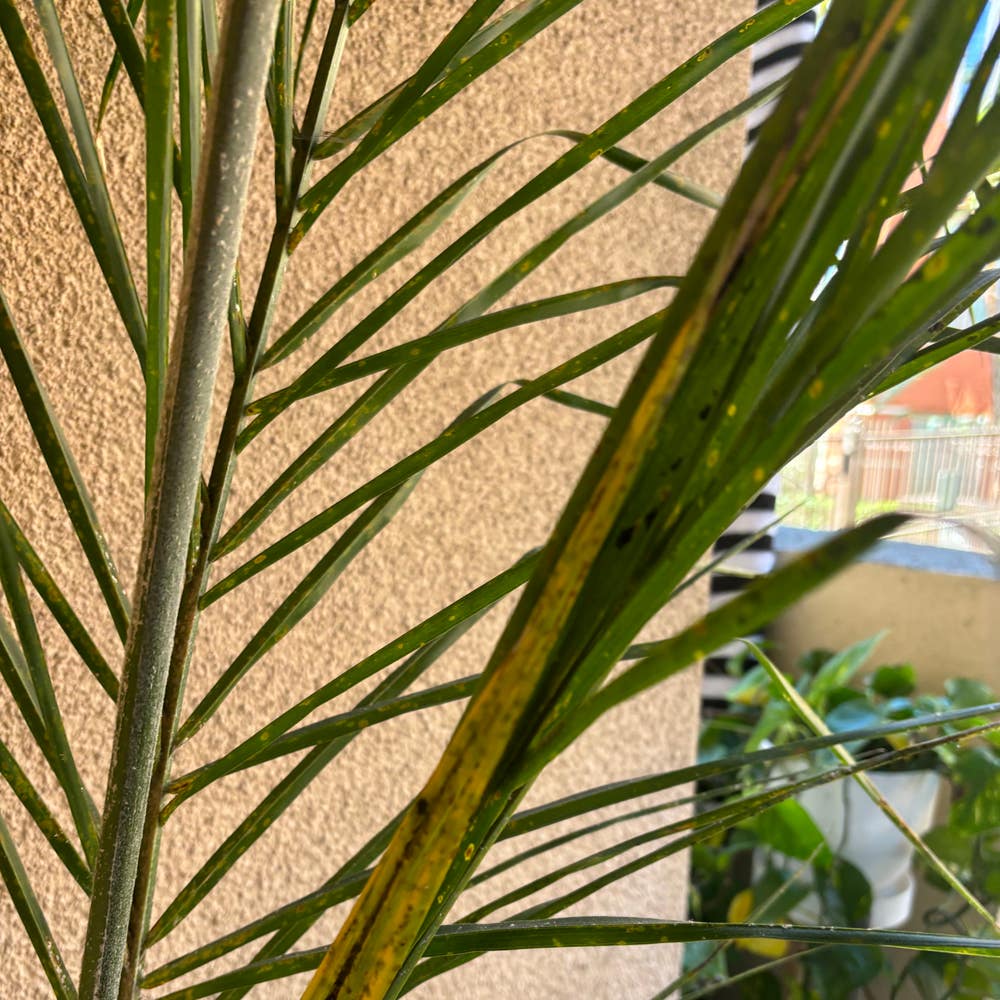
What to Do About Dwarf Queen Palm Root Rot 💧
Syagrus romanzoffiana 'Dwarf'
By the Greg Editorial Team
Oct 20, 2024•4 min read
This article was created with the help of AI so we can cover more plants for you. May contain errors. See one? Report it here.
- 🌱 Inspect roots regularly for rot signs like dark, mushy areas to catch issues early.
- ✂️ Trim damaged roots with sterilized scissors to prevent rot spread and aid recovery.
- 💧 Water only when top soil is dry to avoid overwatering and promote healthy growth.
Treating Root Rot
Step-by-Step Treatment Process 🌱
Remove the plant from its pot: Start by gently shaking off the excess soil. This helps expose the roots for inspection.
Inspect and trim affected roots: Look for dark, mushy roots and cut them away using sterilized scissors. This prevents further spread of rot.
Allow roots to dry: Place the plant in a shaded area for a few hours. This drying period is crucial for root recovery.
Repot in fresh, well-draining soil: Use a soil mix designed specifically for palms or enhance regular potting soil by adding perlite. Good drainage is key to preventing future issues.
Water sparingly: Only water when the top inch of soil feels dry. This helps avoid reintroducing moisture-related problems.
Recommended Products for Treatment 🛒
Fungicides: Look for specific products that target fungal infections in palms. Always follow application instructions and safety precautions to protect both your plant and yourself.
Soil amendments: Consider adding perlite or sand to improve drainage. Organic matter can also enhance soil structure, making it more conducive for healthy root growth.
Preventing Root Rot 🚫
Best Soil Types 🌾
Well-draining soil mixes: Aim for a blend that includes peat, perlite, and sand. A good ratio is 2:1:1, ensuring adequate aeration and drainage.
Importance of pH balance: Maintain a pH level between 6.0 and 7.0. This balance supports nutrient uptake and overall plant health.
Watering Practices 💧
Guidelines for watering: Allow the top inch of soil to dry out between waterings. This prevents waterlogging, which can lead to root rot.
Techniques: Water thoroughly until it drains from the bottom of the pot. Always discard any excess water to avoid standing moisture.
Importance of Pot Drainage 🪴
Ensuring proper drainage: Use pots with adequate drainage holes. This is essential for allowing excess water to escape.
Consider adding a layer of gravel or stones: Placing this at the bottom of the pot can further enhance drainage and prevent root rot.
By following these steps and recommendations, you can effectively treat and prevent root rot in your Dwarf Queen Palm. Next, let’s explore how to monitor your plant’s health to catch any issues early on.
Monitoring Plant Health
🕵️♂️ Regular Checks for Root Rot Signs
To keep your Dwarf Queen Palm thriving, regular inspections are key. Aim for weekly checks to assess moisture levels and leaf health, and don’t forget to conduct monthly root inspections during the growing season.
🌦️ Seasonal Considerations
Adjusting your care routine with the changing seasons can make a big difference. In summer, increase watering to meet the plant's needs, while in winter, scale back to prevent overwatering.
Also, keep an eye on humidity levels, especially during dry months, as this can impact your palm's overall health.
🌍 Adjusting Care Based on Environmental Conditions
Understanding your plant's ideal environment is crucial. The perfect temperature range for a Dwarf Queen Palm is between 20°C to 30°C (68°F to 86°F).
Additionally, maintaining humidity levels above 50% will support healthy growth. Regularly monitor these conditions to ensure your palm remains vibrant and strong.
By staying proactive and attentive, you can help your Dwarf Queen Palm flourish, setting the stage for the next section on common misconceptions about root rot.
Common Misconceptions
🥴 Myths About Root Rot
One common misconception is that root rot only occurs in overwatered plants. In reality, it can also develop in poorly draining soils or as a result of fungal infections.
Another myth is that all yellowing leaves indicate root rot. However, yellowing can stem from nutrient deficiencies or pest issues, not just root problems.
🔍 Clarifying the Difference Between Root Rot and Other Issues
It's crucial to distinguish root rot from other palm tree diseases. For instance, signs of pest infestations, like webbing or visible bugs, differ from the mushy roots associated with rot.
Nutrient deficiency indicators, such as yellowing leaves or stunted growth, require different management strategies. Understanding these differences helps in providing the right care for your Dwarf Queen Palm.
With this knowledge, you can better monitor your plant's health and take proactive steps to prevent issues. Let's move on to how to effectively monitor your plant's health to catch problems early.
⚠️ Safety First
This content is for general information and may contain errors, omissions, or outdated details. It is not medical, veterinary advice, or an endorsement of therapeutic claims.
Always consult a qualified healthcare professional before using any plant as food, medicine, or supplement.
Never eat any plant (or feed one to pets) without confirming its identity with at least two trusted sources.
If you suspect poisoning, call Poison Control (800) 222-1222, the Pet Poison Helpline (800) 213-6680, or your local emergency service immediately.
Spotted an error? Please report it here.
Keep your Dwarf Queen Palm thriving 🌴 by using Greg for personalized watering reminders and expert soil tips that prevent root rot and promote vibrant growth!