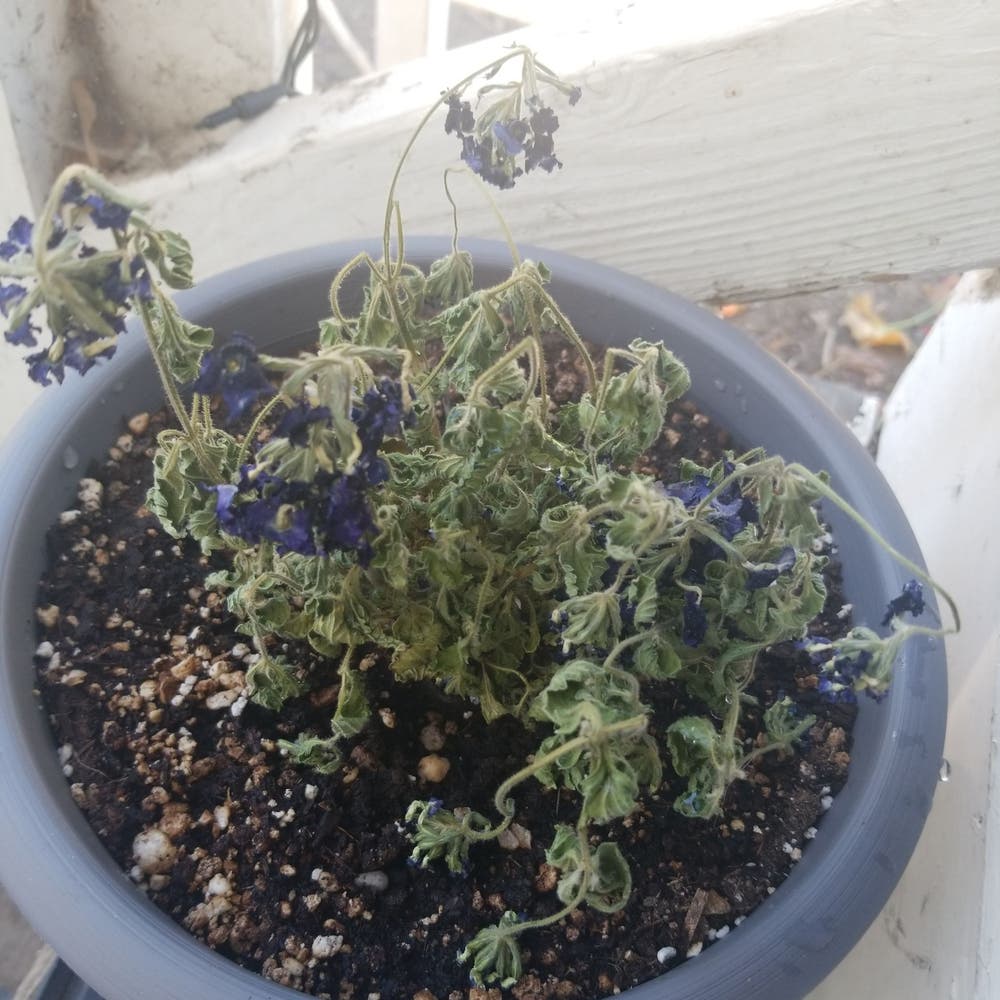
🐄 What's Eating Your Cow Weed
Verbena bonariensis
By the Greg Editorial Team
Oct 15, 2024•7 min read
This article was created with the help of AI so we can cover more plants for you. May contain errors. See one? Report it here.
Protect your Cow Weed 🌿 while inviting beneficial wildlife for a vibrant, thriving garden ecosystem!
- 🌱 Cow Weed attracts beneficial insects while providing nutrition for herbivores.
- 🦌 Deer and rabbits can damage Cow Weed; look for signs like hoof prints and cut stems.
- 🚫 Use repellents and fencing to protect Cow Weed from various herbivores effectively.
Appearance and Appeal of Cow Weed
Description of Cow Weed 🌿
Cow Weed is easily recognizable by its broad, ovate leaves, which typically measure between 4 to 8 inches long. These leaves create a lush backdrop for the plant's small, clustered flowers that can vary in color, adding visual interest to any garden.
Most Appealing Parts to Animals 🐾
The young shoots of Cow Weed are particularly tender and nutritious, making them highly attractive to herbivores. Additionally, the flowers are rich in nectar, drawing in a variety of pollinators and herbivores alike.
Fruits from Cow Weed are also nutrient-dense, appealing to a range of animals. This combination of appealing features makes Cow Weed a vital part of the ecosystem, supporting both herbivores and beneficial insects.
As you explore the interactions between Cow Weed and its herbivores, you'll discover how to protect this valuable plant while fostering a balanced garden ecosystem.
Common Herbivores Affecting Cow Weed
🦌 Deer
Signs of presence and damage caused
Deer are notorious for their impact on Cow Weed. Look for distinct hoof prints in muddy areas and leaves stripped from young shoots, often leaving jagged edges.
Beneficial vs. harmful interaction
While deer can be a beautiful sight in nature, their presence is generally harmful. They can decimate Cow Weed populations if not managed properly.
Deterrent methods
To keep deer at bay, consider using commercial deer repellents. Alternatively, planting deer-resistant species nearby or using human hair and soap shavings can be effective organic methods.
🐇 Rabbits
Signs of presence and damage caused
Rabbits leave clear signs of their presence, such as small, round droppings near Cow Weed. You'll also notice cleanly cut stems and leaves, typically at a height of 1-3 inches.
Beneficial vs. harmful interaction
Rabbits are generally harmful to Cow Weed, significantly reducing its vigor. Their appetite can lead to noticeable declines in plant health.
Deterrent methods
For an easy solution, apply bitter-tasting sprays to deter rabbits. You can also erect fencing at least 2 feet high or plant rabbit-resistant species to protect your Cow Weed.
🐿️ Squirrels
Signs of presence and damage caused
Squirrels can be sneaky culprits. Look for irregular bite marks on foliage and signs of nesting nearby, such as scattered twigs.
Beneficial vs. harmful interaction
While they may seem cute, squirrels are generally harmful. They can cause localized damage, especially to young plants.
Deterrent methods
Consider using squirrel repellents for a chemical approach. Alternatively, motion-activated sprinklers or noise deterrents can effectively keep them away.
🐦 Birds
Signs of presence and damage caused
Birds can be both friends and foes. Look for small peck marks on leaves and flowers, along with nesting nearby, indicating attraction to Cow Weed.
Beneficial vs. harmful interaction
Birds are generally beneficial as pollinators and seed dispersers. However, they can still damage flowers during their feeding.
Deterrent methods
To deter birds, use non-toxic bird repellents. Reflective objects or netting can also help keep them from feeding on your plants.
🐭 Rodents (mice, voles, etc.)
Signs of presence and damage caused
Rodents leave their mark with small burrows or trails in the soil around Cow Weed. You may also notice gnawed roots and stems, leading to wilting.
Beneficial vs. harmful interaction
Rodents are generally harmful, significantly undermining plant health. Their activity can lead to serious damage over time.
Deterrent methods
For a hard approach, consider rodent bait stations. Alternatively, trapping methods and planting deterrent herbs like mint can be effective organic solutions.
🦡 Groundhogs/Woodchucks
Signs of presence and damage caused
Groundhogs make their presence known with large burrows near Cow Weed. They also chew on stems and leaves, often leaving stubs behind.
Beneficial vs. harmful interaction
These creatures are generally harmful and can devastate Cow Weed populations quickly. Their appetite can lead to significant losses in your garden.
Deterrent methods
To deter groundhogs, use commercial repellents. Fencing at least 3 feet high and buried underground, along with planting barriers, can also help protect your plants.
As you navigate the challenges posed by these herbivores, remember that understanding their behaviors is key. This knowledge will empower you to implement effective strategies for protecting your Cow Weed. Next, let’s explore the beneficial animals attracted to this resilient plant.
Beneficial Animals Attracted to Cow Weed
🐝 Description of Beneficial Animals
Cow Weed isn't just a feast for herbivores; it also attracts a host of beneficial animals. Pollinators like bees and butterflies flock to its flowers, drawn by their vibrant colors and rich nectar.
Additionally, beneficial insects such as ladybugs and lacewings play a crucial role in pest control. These tiny allies help keep harmful insect populations in check, creating a healthier garden environment.
🌱 Positive Impacts on the Garden Ecosystem
The presence of pollinators significantly enhances fruit and seed production. Their diligent work ensures that plants can reproduce effectively, leading to a more fruitful garden.
Moreover, attracting various beneficial species supports biodiversity. A balanced ecosystem thrives when different organisms coexist, each contributing to the overall health of the garden. This synergy not only benefits Cow Weed but also enriches the entire environment, making it a vibrant place for all forms of life.
As you cultivate your garden, consider how these beneficial animals can enhance your Cow Weed's growth and resilience. Their contributions are invaluable, reminding us of the interconnectedness of nature.
General Strategies for Protecting Cow Weed
🛡️ Preventive Measures for Herbivore Damage
To safeguard your Cow Weed, consider planting companion plants that deter herbivores. These plants can create a natural barrier, making your garden less appealing to unwanted visitors.
Regular monitoring is also crucial. Keep an eye out for signs of animal presence, such as tracks or droppings, so you can act quickly if needed.
⚠️ Reactive Solutions for Managing Animal Interactions
If you notice damage, immediate removal of affected parts can help promote recovery. This proactive approach allows your Cow Weed to bounce back more effectively.
Utilizing barriers and traps can also be effective. Fencing or netting can keep larger herbivores at bay, while traps can help manage smaller pests.
🌱 Maintaining a Balanced Garden Ecosystem
Encouraging beneficial wildlife is key to a thriving garden. Attracting pollinators and other helpful creatures can create a balanced ecosystem that supports your Cow Weed.
Implementing integrated pest management strategies will help you manage harmful interactions. This approach combines various methods to keep your garden healthy and vibrant.
By taking these steps, you can protect your Cow Weed while fostering a lively and diverse garden environment. Next, let’s explore the seasonal considerations that can impact your Cow Weed's health and attractiveness to animals.
Seasonal Considerations
🐾 Seasonal Variations in Animal Attraction to Cow Weed
As the seasons change, so does the allure of Cow Weed for various animals. In spring, the plant bursts forth with new growth and tender shoots, making it a prime target for hungry herbivores.
By summer, Cow Weed enters its flowering phase, attracting a plethora of pollinators and birds. The vibrant blooms not only draw in beneficial insects but also create a lively scene in your garden.
⏰ Timing of Plant Vulnerability
Young shoots are particularly vulnerable in early spring. This is when they are most tender and nutritious, making them irresistible to herbivores.
As summer wanes, you might notice an uptick in rodent activity. With food sources dwindling, these critters often turn to Cow Weed, posing a risk to the plant's health.
Understanding these seasonal dynamics can help you better protect your Cow Weed and maintain a thriving garden ecosystem.
Toxic Effects of Cow Weed
Mild Toxicity Overview 🌿
Cow Weed possesses mild toxic properties that can deter some herbivores. However, not all animals are affected, which can lead to unexpected interactions in your garden.
Symptoms in Affected Animals 🐾
Animals that consume Cow Weed may experience gastrointestinal upset. Sensitive species are particularly vulnerable, so it's essential to monitor their health if they forage on this plant.
Importance of Understanding Toxicity 📚
Understanding the toxic effects of Cow Weed is crucial for managing animal interactions effectively. By being aware of these potential issues, you can better protect both your plants and the animals that visit your garden.
As you navigate the complexities of Cow Weed and its interactions with wildlife, consider how these factors influence your gardening strategies. This knowledge will empower you to create a thriving ecosystem while minimizing unwanted damage.
⚠️ Safety First
This content is for general information and may contain errors, omissions, or outdated details. It is not medical, veterinary advice, or an endorsement of therapeutic claims.
Always consult a qualified healthcare professional before using any plant as food, medicine, or supplement.
Never eat any plant (or feed one to pets) without confirming its identity with at least two trusted sources.
If you suspect poisoning, call Poison Control (800) 222-1222, the Pet Poison Helpline (800) 213-6680, or your local emergency service immediately.
Spotted an error? Please report it here.
Keep your Cow Weed thriving 🌱 by using Greg's personalized tips and reminders to fend off pesky herbivores and enhance your garden's ecosystem!