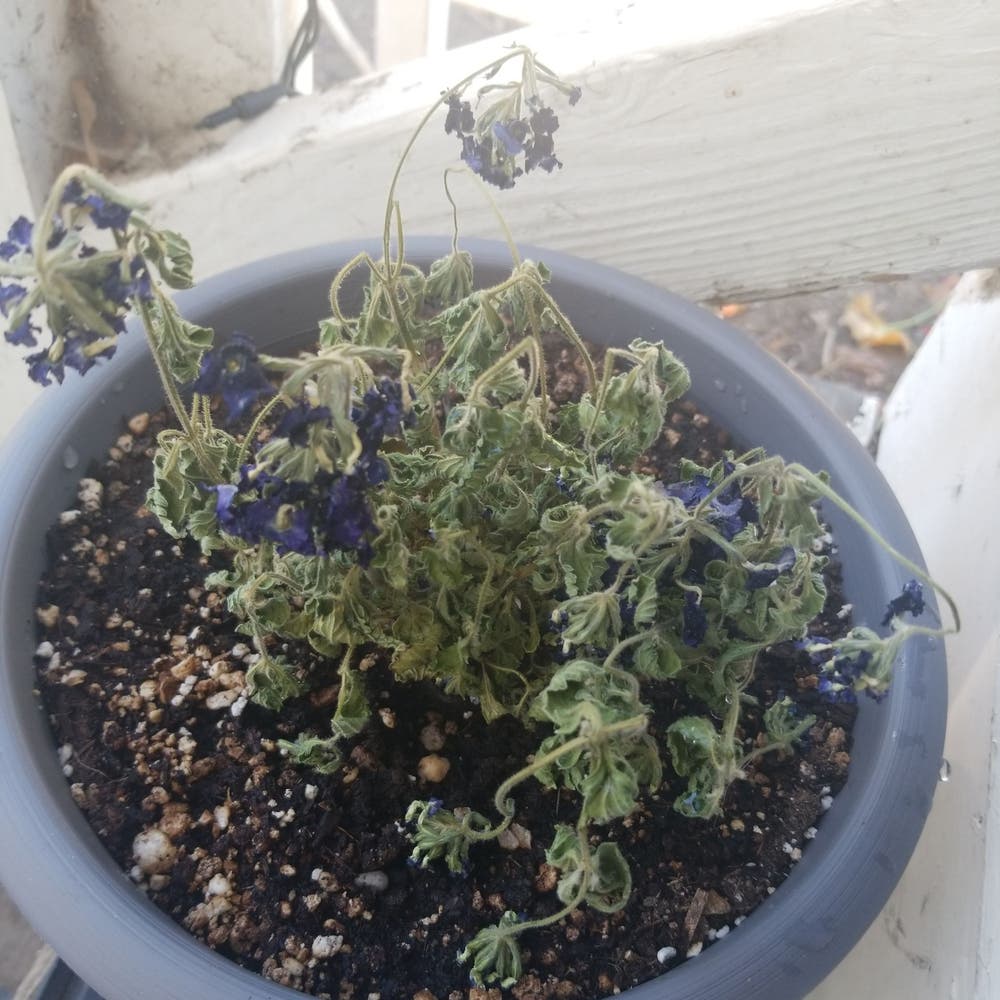
How Big a Cow Weed Gets 🐄
Verbena bonariensis
By the Greg Editorial Team
Oct 15, 2024•4 min read
This article was created with the help of AI so we can cover more plants for you. May contain errors. See one? Report it here.
Unlock your garden's potential with fast-growing cow weed varieties that thrive in any space! 🌿
- 🌱 Cow weed grows 1 to 3 feet tall, depending on conditions and care.
- ☀️💧 Optimal growth requires 6-8 hours of sunlight and consistent moisture.
- 🌿 Giant varieties can exceed 4 feet, while dwarf types suit smaller gardens.
Mature Height and Spread
Height 🌱
Cow weed typically grows between 1 to 3 feet tall. Under optimal conditions, it can reach its maximum height, making it a versatile choice for various garden settings.
Several factors influence this height. Soil quality plays a crucial role, as nutrient-rich, well-draining soil supports robust growth. Sunlight exposure is equally important; the more sun the plant receives, the taller it can grow. Additionally, consistent water availability helps maintain its height.
Spread 🌿
In terms of spread, cow weed averages about 2 feet wide. However, this can vary based on several factors.
Growing conditions significantly impact how wide the plant can spread. Pruning practices also play a role; regular trimming can encourage a more compact form. Lastly, competition with surrounding plants can limit its spread, as resources become shared.
Understanding these dimensions helps in planning your garden layout effectively. With the right care, cow weed can thrive beautifully in your space.
Growth Rate
Rate 🌱
Cow weed is known for its rapid growth, especially under ideal conditions. In just 1 to 2 growing seasons, it can reach its full size.
Factors Affecting Growth Rate 🌍
Several factors influence how quickly cow weed grows. Nutrient availability in the soil and consistent watering practices are crucial for optimal growth.
Time to Full Size ⏳
Understanding the timeline for reaching mature dimensions is essential for gardeners.
- 1 Year: The initial growth phase begins, setting the foundation.
- 2 Years: Full size is typically achieved, showcasing the plant's robust nature.
Variability in Growth Cycle 🌦️
Keep in mind that environmental conditions can cause variability in the growth cycle. Factors like temperature, sunlight, and soil quality all play a role in how quickly cow weed reaches its potential.
This knowledge about growth rates will help you plan effectively for your garden. Next, let’s explore the various factors that can affect the size of cow weed.
Factors Affecting Size
🌱 Soil Quality and Type
Well-draining, nutrient-rich soil is crucial for optimal cow weed growth. The soil's pH also plays a significant role; ideally, it should be slightly acidic to neutral for the best results.
☀️ Sunlight Exposure
Cow weed thrives in full sun, requiring 6 to 8 hours of direct sunlight daily to achieve maximum height and spread. In contrast, partial shade can stunt growth and limit the plant's overall dimensions.
💧 Watering Practices
Maintaining consistent moisture is key, but overwatering can lead to root rot and stunted growth. Proper drainage is essential to ensure the roots remain healthy and the plant can reach its full potential.
🌡️ Climate and Temperature
The ideal temperature range for cow weed is between 60°F to 75°F (15°C to 24°C). Extreme temperatures, whether too hot or too cold, can significantly affect growth and lead to size variability.
Understanding these factors can help you create the perfect environment for your cow weed, ensuring it flourishes beautifully. Next, let’s explore the different varieties available and how they can fit into your gardening plans.
Varieties
Dwarf Varieties 🌱
Dwarf cow weeds typically reach heights of 1 to 2 feet. These compact plants are perfect for smaller gardens or as border plants, adding vibrant greenery without overwhelming the space.
Giant Varieties 🌳
On the other end of the spectrum, giant cow weeds can exceed 4 feet in height. When considering these for your garden, think about their space requirements and how they might dominate the landscape.
Understanding the differences between these varieties can help you make informed choices for your gardening projects. Whether you opt for the petite charm of dwarf varieties or the impressive stature of giants, each brings unique benefits to your outdoor space.
As you plan your garden, consider how these varieties will fit into your overall design and growth strategy. Next, let’s explore how to control their size effectively.
Controlling Size
✂️ Pruning Techniques
Pruning is essential for managing the size of cow weed effectively. The best time to prune is early spring, just before new growth begins.
To encourage a bushier appearance, pinch back the tips of the stems. This technique not only controls height but also promotes a fuller plant.
🚧 Other Methods
In addition to pruning, consider using barriers or containers to limit the spread of cow weed. This approach is particularly useful in smaller garden spaces.
Companion planting can also help control growth. By strategically placing other plants nearby, you can create a natural balance that keeps cow weed in check.
With these methods, you can enjoy the beauty of cow weed without it overwhelming your garden. Next, let’s explore the various cow weed varieties available for your landscaping needs.
⚠️ Safety First
This content is for general information and may contain errors, omissions, or outdated details. It is not medical, veterinary advice, or an endorsement of therapeutic claims.
Always consult a qualified healthcare professional before using any plant as food, medicine, or supplement.
Never eat any plant (or feed one to pets) without confirming its identity with at least two trusted sources.
If you suspect poisoning, call Poison Control (800) 222-1222, the Pet Poison Helpline (800) 213-6680, or your local emergency service immediately.
Spotted an error? Please report it here.
Plan your garden layout wisely and help your cow weed reach its maximum height 🌿 with Greg's tailored care reminders for optimal sunlight and moisture!