📚 All About Uruguayan Vervain: Essential Facts
Verbena bonariensis
By the Greg Editorial Team
Feb 21, 2025•11 min read
This article was created with the help of AI so we can cover more plants for you. May contain errors. See one? Report it here.
Elevate your garden with Uruguayan vervain's stunning blooms and eco-friendly perks! 🌼🌱
- 🌞 Uruguayan vervain needs 6-8 hours of sunlight daily for optimal growth.
- 🌱 Well-drained, fertile soil with pH 6.0-7.5 is ideal for planting.
- 🐝 Attracts pollinators like bees and butterflies, enhancing garden biodiversity.
How to Grow
Choosing a Location 🌞
To thrive, Uruguayan vervain needs full sun exposure, ideally basking in 6-8 hours of sunlight daily. Additionally, ensure there's enough space for the plants to grow upright and allow for proper air circulation.
Soil Preparation 🌱
For optimal growth, plant your vervain in well-drained, fertile soil. Aim for a pH level between 6.0 and 7.5 to create the best environment for your plants.
Planting Techniques 🌿
When planting, space your vervain 12-18 inches apart to promote healthy growth. Seeds or seedlings should be planted at a depth of about 1/4 inch to ensure they establish well.
Watering Requirements 💧
Initially, water your vervain regularly until they are well established. Once settled, these plants become drought-tolerant, so deep watering is key to encourage robust root growth.
Fertilizing 🌼
Use a balanced NPK fertilizer to nourish your plants. Apply it monthly during the growing season to keep your vervain healthy and thriving.
Pruning and Ongoing Care ✂️
Regularly deadhead spent flowers to encourage more blooms throughout the season. Keep an eye out for pests and diseases, ensuring your plants remain in peak condition.
With these tips, you'll be well on your way to cultivating a vibrant patch of Uruguayan vervain. Next, let’s explore how to propagate this beautiful plant effectively.
Propagation
🌱 Seed Propagation
To propagate Uruguayan vervain from seeds, start by sowing them indoors about 6-8 weeks before the last frost. This timing ensures that your plants will be ready to thrive once the warmer weather arrives.
Maintaining an optimal soil temperature of 70°F (21°C) is crucial for successful germination. This warm environment encourages the seeds to sprout, setting the stage for healthy growth.
✂️ Cutting Propagation
Another effective method is cutting propagation. For this, select healthy stems that are 4-6 inches long, ensuring you choose vigorous growth for the best results.
Once you have your cuttings, place them in a moist, well-draining medium. This will provide the ideal conditions for rooting, allowing your new plants to establish themselves quickly.
With these propagation techniques, you can easily expand your Uruguayan vervain collection. Whether you choose seeds or cuttings, both methods offer rewarding results that will enhance your garden's beauty.
Lifecycle
Lifecycle Stages 🌱
Uruguayan vervain is typically grown as a perennial in warmer climates, allowing it to thrive year after year. This resilience makes it a favorite among gardeners looking for long-lasting beauty.
Germination and Seedling Stage 🌱
Under optimal conditions, vervain seeds germinate within 7-14 days. This quick turnaround sets the stage for a vibrant garden.
Vegetative Growth and Flowering 🌼
Once germinated, vervain reaches maturity in about 3-4 months. During this time, it showcases lush foliage and begins to produce its stunning purple flowers.
Seed Production and Lifespan 🌿
With ideal care, Uruguayan vervain can live for several years. This longevity adds to its appeal, as it continues to provide beauty and benefits season after season.
Growth Timeline ⏳
From seed to full maturity, expect approximately 3-4 months of growth. The moderate to fast growth rate means you won’t have to wait long to enjoy its vibrant blooms.
This lifecycle overview highlights the resilience and beauty of Uruguayan vervain, making it a valuable addition to any garden. Next, let’s explore its size and how it fits into your landscape design.
Size
Mature Height and Spread 🌱
Uruguayan vervain typically reaches a mature height of 3 to 4 feet, making it a striking addition to any garden. Its spread can extend 2 to 3 feet wide, allowing for a lush, full appearance.
Growth Rate and Size Variability 📈
The growth rate of vervain is moderate, influenced by the care it receives and the conditions in which it is grown. Size variability can occur based on factors like soil quality, light exposure, and water availability, so providing optimal conditions is key to achieving its full potential.
As you cultivate this beautiful plant, remember that its size can reflect the love and attention you give it. With the right environment, your vervain can thrive and become a centerpiece in your garden.
Roots
Characteristics of the Root System 🌱
Uruguayan vervain features a fibrous root system that supports its upright growth. This structure is essential for stability and nutrient absorption.
Root Depth and Spread 📏
Typically, the roots extend 12-18 inches deep into the soil. They can also spread outward significantly, helping the plant anchor itself firmly.
Common Root-Related Issues ⚠️
Root rot is a common problem caused by overwatering, which can be prevented by ensuring well-draining soil. Another issue is becoming rootbound, which occurs when the roots outgrow their container, leading to stunted growth.
Visual Cues for Healthy vs. Unhealthy Roots 👀
Healthy roots are firm, white, and spread throughout the soil, indicating a thriving plant. In contrast, unhealthy roots appear brown, mushy, or overly compacted, signaling potential problems.
Understanding the root system of Uruguayan vervain is crucial for successful cultivation. By monitoring root health and addressing issues promptly, you can ensure your plants thrive and flourish.
Benefits
🌼 Attracts Pollinators
Uruguayan vervain is a magnet for pollinators like bees and butterflies. By planting it, you enhance your garden's biodiversity and support local ecosystems.
💧 Drought-Tolerant
Once established, this plant thrives with minimal water. Its drought-tolerant nature helps reduce your overall water usage, making it an eco-friendly choice.
🌸 Ornamental Beauty
With its vibrant purple flowers, Uruguayan vervain adds a splash of color to any garden. Its aesthetic appeal makes it a favorite among gardeners looking to beautify their spaces.
🌿 Medicinal Uses
Traditionally, Uruguayan vervain has been used for various medicinal purposes. Its leaves and flowers are often utilized in herbal remedies, showcasing its versatility beyond mere decoration.
🩹 Symbolism of Healing
In many cultures, this plant symbolizes healing and protection. Incorporating it into your garden can create a space that feels nurturing and restorative.
These benefits make Uruguayan vervain a valuable addition to any garden. Whether you're looking to attract wildlife or enhance your landscape, this plant offers a multitude of advantages.
Next, let's explore the fascinating world of companion planting and how Uruguayan vervain interacts with other plants.
Companion Plants
🌱 Explanation of Companion Planting
Companion planting is a gardening strategy that enhances biodiversity, promotes plant health, and aids in pest management. By strategically placing plants together, you can create a thriving ecosystem that benefits all species involved.
🌼 Best Companion Plants
- Lavender: This fragrant herb shares similar care needs with Uruguayan vervain and attracts beneficial insects, making it a perfect partner.
- Marigolds: Known for their pest-repellent properties, marigolds help keep harmful insects at bay while adding vibrant color to your garden.
- Echinacea: Not only does this beautiful flower complement the visual appeal of vervain, but it also attracts pollinators, boosting your garden's overall health.
🚫 Plants to Avoid
Be cautious of planting species with similar nutrient needs, as they may compete for resources. This competition can hinder the growth of your Uruguayan vervain and its companions, leading to a less productive garden.
By choosing the right companions, you can create a flourishing garden that thrives together. Next, let’s explore the potential toxicity of Uruguayan vervain to pets and humans.
Toxicity to Humans
Uruguayan vervain is generally safe for humans, as it is not listed as toxic by major poison control centers. However, caution is still advised, especially regarding potential minor issues.
Mild skin irritation or digestive discomfort may occur if the plant is ingested in large quantities. If you experience any unusual symptoms after contact or consumption, it's best to seek medical advice promptly.
While enjoying this beautiful plant, it's important to stay informed and cautious. Knowledge is key to ensuring a safe and enjoyable gardening experience!
As we explore further, let’s dive into the potential toxicity of Uruguayan vervain for our furry friends.
Toxicity to Dogs
Uruguayan vervain is not listed as toxic by major pet poison control centers, making it a safe choice for dog owners. However, it's important to note that excessive consumption may lead to mild gastrointestinal upset.
🌱 Introducing Uruguayan Vervain to Your Home
When bringing Uruguayan vervain into a home with dogs, consider proper placement. Keep the plant out of reach to prevent any curious nibbling.
🐶 Monitoring Behavior
Always monitor your dog's behavior around the plant. If you notice any unusual symptoms, consult a veterinarian for advice.
This plant can be a beautiful addition to your garden without the worry of toxicity. Next, let’s explore how Uruguayan vervain affects cats.
Toxicity to Cats
Uruguayan vervain is not listed as toxic by major pet poison control centers, making it a safe choice for homes with feline companions. However, it's important to note that excessive consumption may lead to mild gastrointestinal upset.
🌱 Introducing Uruguayan Vervain to Your Home
When bringing Uruguayan vervain into a home with cats, consider proper placement to minimize any potential issues. Keep the plant out of reach to prevent curious cats from nibbling on it.
👀 Monitoring Behavior
Always monitor your cat's behavior around new plants. If you notice any unusual symptoms, such as vomiting or lethargy, consult your veterinarian for advice.
By taking these precautions, you can enjoy the beauty of Uruguayan vervain while keeping your feline friends safe and healthy.
As we explore further, let’s look at the common problems that may arise when growing this vibrant plant.
Problems
Common Problems Faced 🌱
1. Incorrect Watering
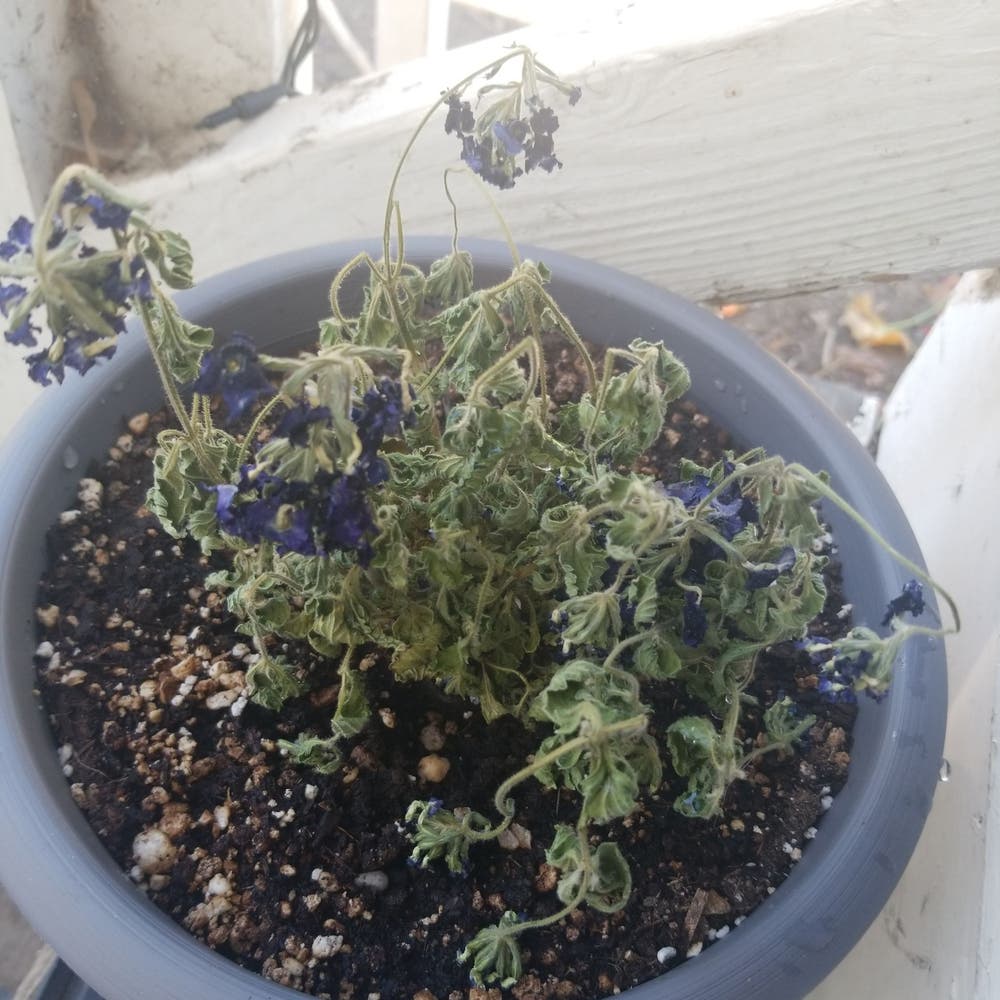
Watering is crucial for Uruguayan vervain's health. Overwatering can lead to wilting, while underwatering results in dry leaves.
To remedy this, adjust your watering frequency based on the soil's moisture level. Regular checks can help you find the right balance.
2. Incorrect Light Conditions
Light conditions significantly impact growth. If your plants exhibit leggy growth or scorched leaves, they may not be getting enough sunlight.
Ensure your vervain receives full sun exposure for at least 6-8 hours daily. This will help them thrive and produce vibrant blooms.
3. Incorrect Temperature
Temperature fluctuations can stunt growth. If your plants struggle in cold conditions, they may need protection from frost.
Consider using row covers or moving pots indoors during chilly nights to maintain a stable environment.
4. Diseases
Fungal diseases like powdery mildew and rust can affect your vervain. These issues often arise from poor air circulation.
To combat this, improve airflow around your plants and consider using fungicides if necessary. Keeping an eye on humidity levels can also help prevent outbreaks.
5. Leaf Issues
Yellowing or fuzzy growth on leaves can indicate underlying problems. These symptoms often point to pest infestations or nutrient deficiencies.
Regularly check for pests and adjust your care routine accordingly. A proactive approach can keep your plants healthy and vibrant.
By addressing these common problems, you can ensure your Uruguayan vervain flourishes in your garden. Next, let’s explore the potential pests that could threaten your plants.
Bugs
Potential Pest Issues 🐜
While Uruguayan vervain is known for its moderate pest resistance, it can still face challenges from certain pests. Being aware of these potential issues can help you maintain a healthy plant.
Common Pests 🐞
Spider Mites
- Identification: Look for fine webbing on the leaves, which is a telltale sign of spider mites.
- Damage: These pests can cause leaf discoloration, leading to a decline in plant health.
- Treatment: To combat spider mites, increase humidity around the plant and consider using miticides.
Aphids
- Identification: These small green insects often cluster on stems, making them easy to spot.
- Damage: Aphids can stunt growth by sucking sap from the plant.
- Treatment: Use insecticidal soap or neem oil to effectively eliminate these pests.
Whiteflies
- Identification: Tiny white insects found on the undersides of leaves indicate a whitefly infestation.
- Damage: They can cause yellowing leaves, which is a sign of distress.
- Treatment: Employ yellow sticky traps and insecticidal soap to manage whitefly populations.
By keeping an eye out for these common pests and taking proactive measures, you can ensure your Uruguayan vervain thrives. Next, let’s explore what animals might be interested in munching on your plants.
What Eats
Common Animals That May Eat or Damage 🦌
Uruguayan vervain can attract a variety of hungry critters. Common culprits include deer, rabbits, squirrels, birds, rodents, and groundhogs.
Signs of Animal Presence 🐾
Keep an eye out for signs of these animals. Tracks, droppings, and chewed leaves are clear indicators that your plants are being targeted.
Damage Caused ⚠️
These animals can cause significant damage by browsing on leaves, which may lead to stunted growth. If left unchecked, they can severely impact the health of your vervain.
Deterrent Methods 🚫
To protect your plants, consider using deterrent methods.
- Chemical repellents: Commercial deer repellents can be effective in keeping larger animals at bay.
- Organic methods: Planting deterrent species or using physical barriers can help safeguard your vervain from unwanted nibblers.
By being proactive, you can enjoy the beauty of your Uruguayan vervain without the worry of it becoming a snack for local wildlife.
⚠️ Safety First
This content is for general information and may contain errors, omissions, or outdated details. It is not medical, veterinary advice, or an endorsement of therapeutic claims.
Always consult a qualified healthcare professional before using any plant as food, medicine, or supplement.
Never eat any plant (or feed one to pets) without confirming its identity with at least two trusted sources.
If you suspect poisoning, call Poison Control (800) 222-1222, the Pet Poison Helpline (800) 213-6680, or your local emergency service immediately.
Spotted an error? Please report it here.
Ensure your Uruguayan vervain thrives with custom care tips 🌱 from Greg, including tailored watering reminders and expert advice for vibrant blooms and healthy growth!