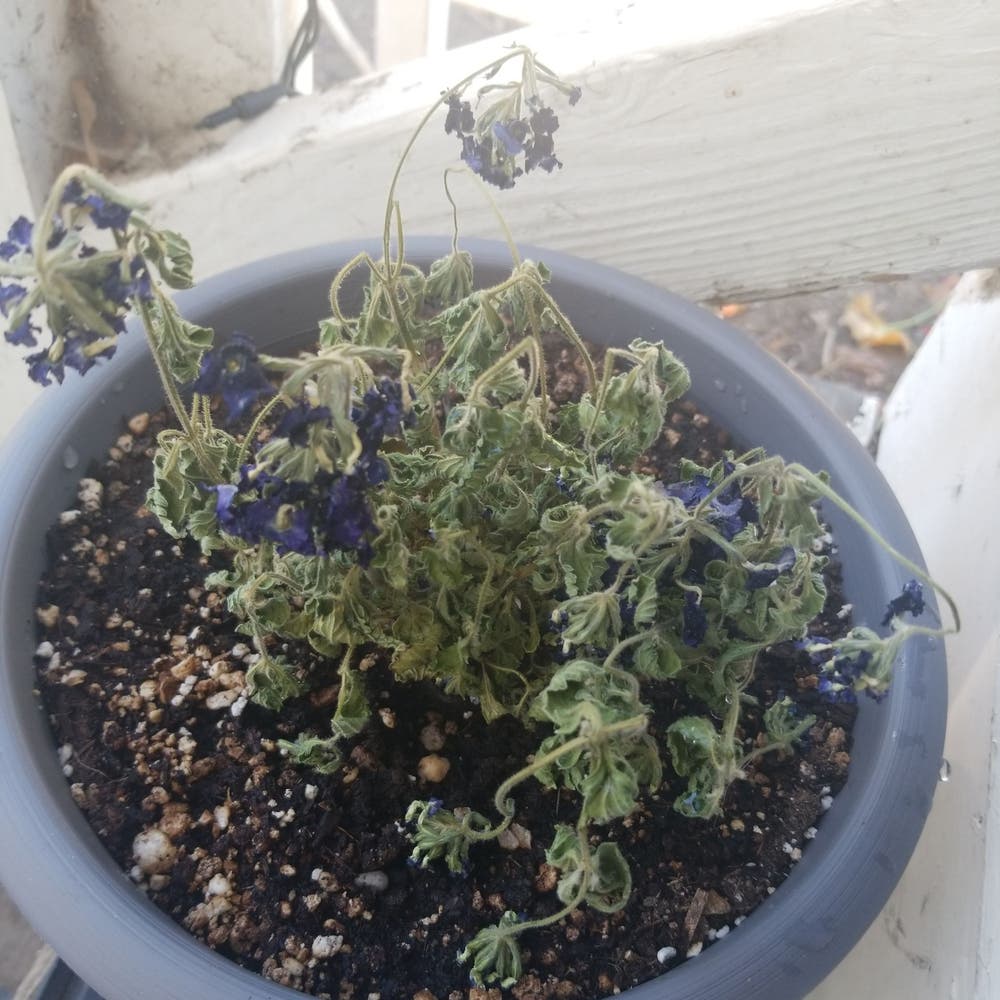
🍃 Managing Black Spots on Your Cow Weed Leaves
Verbena bonariensis
By the Greg Editorial Team
Oct 15, 2024•5 min read
This article was created with the help of AI so we can cover more plants for you. May contain errors. See one? Report it here.
Revitalize your Cow Weed 🌱 by mastering diagnosis and treatment of black spots for thriving, vibrant plants!
- 🌱 Regular inspections help diagnose black spots on Cow Weed leaves effectively.
- 🌞💧 Environmental factors like light and humidity greatly influence Cow Weed health.
- 🧪 Soil health and nutrient balance prevent black spots and promote robust growth.
Diagnosing Black Spots
🔍 Visual Inspection Techniques
A close examination of your Cow Weed leaves is crucial for diagnosing black spots. Use a magnifying glass to inspect both the upper and lower surfaces, revealing details that might otherwise go unnoticed.
Identifying patterns of damage can provide insights into the problem. Compare affected leaves with healthy ones to spot differences in color, texture, and overall vitality.
🌤️ Assessing Environmental Factors
Light conditions play a significant role in the health of Cow Weed. Ensure your plants receive optimal sunlight, as inadequate light can lead to etiolation or leaf burn.
Humidity and temperature are equally important. Cow Weed thrives in specific humidity levels, and fluctuations in temperature can stress the leaves, leading to black spots.
🌱 Soil Health and Its Impact on Leaf Health
Soil quality is foundational for healthy Cow Weed. Nutrient-rich soil is essential, and signs of poor soil health include compaction and drainage issues.
To assess soil health, consider testing pH levels and nutrient availability. Recommended amendments, such as organic matter, can significantly improve soil conditions, promoting better leaf health.
By thoroughly diagnosing these aspects, you can effectively address the black spots on your Cow Weed leaves and set the stage for successful treatment.
Treating Black Spots
🦠 Step-by-Step Treatment for Fungal Infections
Identify the type of fungal infection: Start by examining the black spots closely. Different fungi can cause varying symptoms, so knowing what you're dealing with is crucial.
Remove affected leaves: Use proper pruning techniques to cut away the infected parts. This helps prevent further spread and allows the plant to focus on healthy growth.
Apply fungicides: Choose recommended products based on the identified infection. Follow application methods carefully for the best results.
Monitor plant response: Keep an eye on how your Cow Weed reacts to treatment. Adjust your approach if you don’t see improvement within a week or two.
🌿 Recommended Fungicides and Natural Remedies
Chemical fungicides: There are various types available, each with specific application guidelines. Always read the label to ensure proper use.
Natural remedies: Consider using neem oil or baking soda solutions as alternatives. These can be effective and are often gentler on the environment.
Efficacy of treatments: Results can vary, but you should start seeing improvements within a few weeks. Patience is key, as some treatments take longer to show effects.
✂️ Importance of Pruning Affected Leaves
Techniques for effective pruning: Use clean, sharp shears to avoid introducing more pathogens. Proper cuts promote quicker healing.
Timing: The best times to prune are during early spring or late fall when the plant is less stressed. This timing helps ensure recovery.
Benefits of pruning: Pruning not only reduces the spread of infection but also improves air circulation around the plant. Better airflow can help prevent future issues.
By following these steps, you can effectively treat black spots on your Cow Weed leaves. With the right care, your plant can bounce back and thrive, setting the stage for the next section on prevention strategies.
Preventing Black Spots
🌱 Best Practices for Cow Weed Care
Maintaining a regular watering schedule is crucial for Cow Weed health. Consistency helps prevent stress, which can lead to black spots on leaves.
Fertilization plays a key role as well. Aim for a balanced nutrient application to support robust growth and resilience against diseases.
🌿 Soil Management and Amendments
Soil quality directly impacts Cow Weed vitality. Incorporating organic matter, like compost, enriches the soil, enhancing its nutrient profile.
Consider pH adjustments with lime or sulfur to create an optimal growing environment. Healthy soil promotes strong plants that can better resist black spots.
🚰 Importance of Drainage
Proper drainage is essential for Cow Weed. Techniques such as raised beds or adding perlite can prevent waterlogging, which often leads to root rot and leaf issues.
💧 Watering Techniques to Avoid Stress
Recognizing the signs of overwatering versus underwatering is vital. Yellowing leaves may indicate too much water, while wilting suggests a lack of moisture.
For best practices, water Cow Weed deeply but infrequently. Aim for about once a week, adjusting based on weather conditions.
Using moisture meters can provide accurate assessments of soil moisture levels. This tool helps ensure your Cow Weed receives just the right amount of water.
By following these preventive measures, you can significantly reduce the risk of black spots on your Cow Weed leaves. With a little care and attention, your plants will thrive and remain healthy.
Next, let’s explore how to monitor and maintain your Cow Weed for ongoing health.
Monitoring and Maintenance
Regular Inspection Routines 🌱
To keep your Cow Weed thriving, establish a routine of weekly inspections. This proactive approach allows for early detection of any issues, ensuring your plants remain healthy.
Look for signs of stress, pests, or disease during these checks. Yellowing leaves, unusual spots, or visible pests can indicate underlying problems that need immediate attention.
Seasonal Care Adjustments 🌦️
Adjusting your care routine based on the seasons is essential for optimal Cow Weed health.
In spring, focus on promoting growth by ensuring adequate sunlight and nutrients. As summer approaches, be vigilant about heat stress; consider providing shade during peak sunlight hours.
During fall and winter, your Cow Weed may enter a dormancy phase. Reduce care needs, but continue monitoring for any signs of distress.
Signs of Recovery and Ongoing Care 🌿
After treatment, watch for indicators of improved leaf health. New growth is a positive sign that your Cow Weed is bouncing back from any previous issues.
Stay vigilant for recurrence of black spots. Ongoing monitoring ensures you catch any problems early, maintaining the health of your plants.
For long-term care, focus on maintaining optimal conditions. Consistency in watering, light exposure, and soil health will keep your Cow Weed flourishing for years to come.
With these practices, you can enjoy a vibrant and resilient Cow Weed garden.
⚠️ Safety First
This content is for general information and may contain errors, omissions, or outdated details. It is not medical, veterinary advice, or an endorsement of therapeutic claims.
Always consult a qualified healthcare professional before using any plant as food, medicine, or supplement.
Never eat any plant (or feed one to pets) without confirming its identity with at least two trusted sources.
If you suspect poisoning, call Poison Control (800) 222-1222, the Pet Poison Helpline (800) 213-6680, or your local emergency service immediately.
Spotted an error? Please report it here.
Keep your Cow Weed healthy and spot-free 🌱 with Greg's tailored care reminders and soil insights that empower you to cultivate a thriving garden!