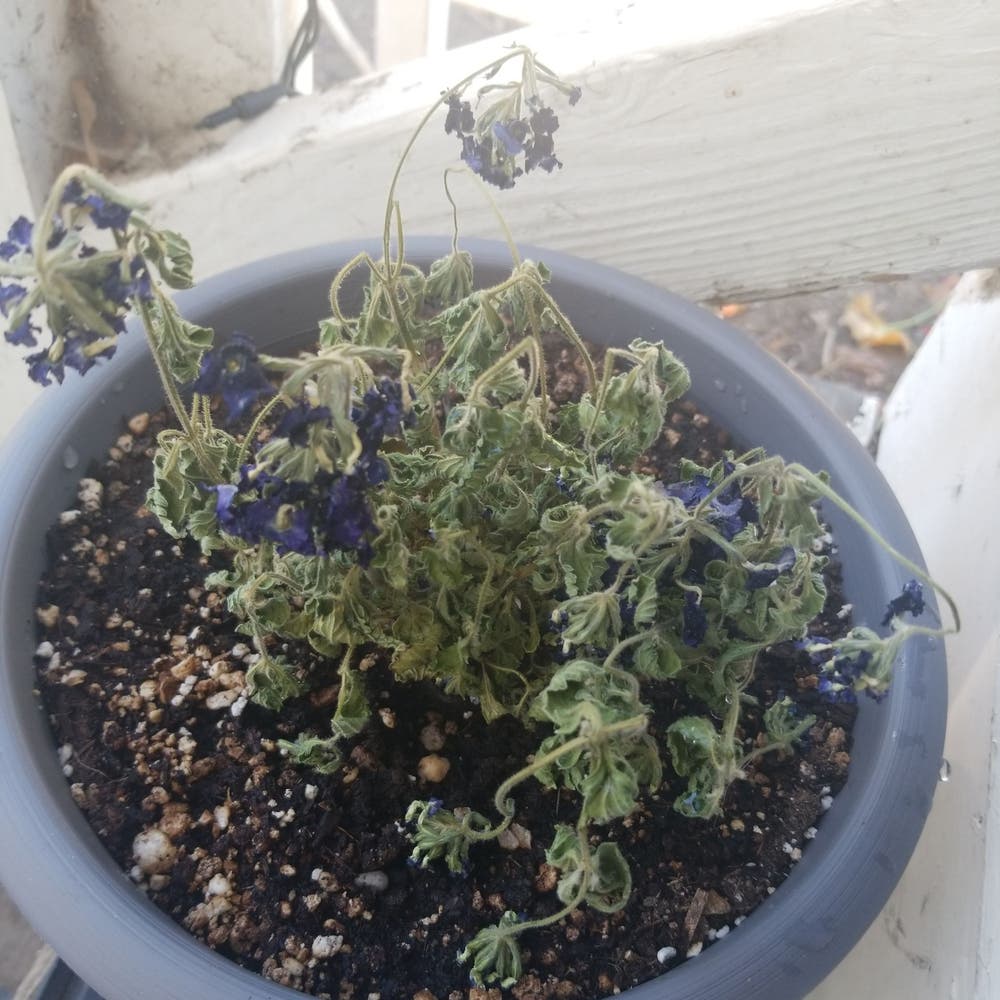
Best Tips for Dropping Leaves on Cow Weed 🍂
Verbena bonariensis
By the Greg Editorial Team
Oct 15, 2024•5 min read
This article was created with the help of AI so we can cover more plants for you. May contain errors. See one? Report it here.
Transform your Cow Weed care 🌱 by learning to prevent and treat leaf drop for vibrant, healthy growth!
- 🌡️ Cow Weed thrives in 20°C to 30°C with high humidity for optimal growth.
- ☀️ Insufficient sunlight weakens Cow Weed, leading to increased leaf drop.
- 🐛 Pest detection is crucial; aphids and mites can cause significant leaf loss.
Causes of Leaf Drop
🌪️ Environmental Stress Factors
Temperature fluctuations can wreak havoc on Cow Weed. Ideally, the temperature should stay between 20°C to 30°C (68°F to 86°F) for optimal growth.
Humidity plays a crucial role as well. Cow Weed thrives in high humidity; low levels can lead to unsightly leaf drop.
☀️ Light Exposure
Insufficient sunlight weakens the plant, making it more susceptible to leaf loss. Ensure your Cow Weed gets enough light to flourish.
💧 Water Quality
Poor water quality can stress the plant significantly. Always use clean, filtered water to keep your Cow Weed healthy.
🥦 Nutrient Deficiencies
Nitrogen deficiency is a common issue, manifesting as yellowing leaves and stunted growth. If you notice these symptoms, it’s time to assess your soil.
Potassium deficiency can also be problematic, causing leaf edges to brown and eventually drop. Regular soil testing is essential to monitor nutrient levels effectively.
🐜 Pest Infestations
Common pests like aphids and spider mites can be a real nuisance. Keep an eye out for discoloration, webbing, and sticky residue on leaves as signs of infestation.
These pests weaken the plant, leading to increased leaf drop. Regular inspections can help you catch these issues early.
🦠 Diseases Affecting Cow Weed
Fungal infections, such as root rot and leaf spot diseases, can devastate your Cow Weed. Early detection is key to preventing severe damage.
Bacterial infections also pose a threat, often showing symptoms like wilting and leaf drop. Addressing these issues promptly can save your plant from further decline.
Understanding these causes of leaf drop is crucial for maintaining a healthy Cow Weed. Next, we’ll explore how to diagnose these leaf drop issues effectively.
Diagnosing Leaf Drop Issues
Identifying Symptoms 🌿
Recognizing the signs of leaf drop is crucial for timely intervention. Look for visual indicators like yellowing, wilting, and browning leaves.
Timing also plays a role; observe if leaf drop occurs seasonally or suddenly. Sudden changes can signal environmental stress or other issues.
Assessing Soil Conditions 🌱
Soil conditions significantly impact plant health. Maintaining consistent moisture is vital; too much or too little can stress Cow Weed.
Additionally, ensure your soil is nutrient-rich and well-draining. This combination promotes healthy growth and minimizes leaf drop.
Evaluating Watering Practices 💧
Watering practices can make or break your plant's health. Signs of overwatering include waterlogged soil and root rot symptoms, which can lead to severe leaf loss.
On the flip side, underwatering manifests as dry, crispy leaves and wilting. Finding the right balance is essential for keeping your Cow Weed thriving.
Understanding these diagnostic steps will help you address leaf drop effectively. Next, let’s explore how to prevent these issues from arising in the first place.
Preventing Leaf Drop
🌊 Proper Watering Techniques
Maintaining the right watering frequency is crucial for Cow Weed. Keep the soil consistently moist but avoid sogginess to prevent root rot.
Using moisture meters can be a game-changer. These handy tools help you monitor soil moisture levels, ensuring your plant gets just the right amount of water.
🌱 Soil Amendments and Fertilization
To combat nutrient deficiencies, opt for balanced NPK fertilizers. These fertilizers provide essential nutrients that promote healthy growth and vibrant leaves.
Incorporating organic matter into your soil can significantly improve its structure and nutrient content. This simple step can make a world of difference for your Cow Weed.
🐛 Pest Management Strategies
Regular inspections are vital for keeping pests at bay. By monitoring your plants frequently, you can catch infestations early and minimize damage.
Consider using organic pest control methods, such as neem oil and insecticidal soap. These options are effective and safer for the environment, helping you maintain a healthy garden.
🌤️ Environmental Adjustments
Creating optimal growing conditions is essential for your Cow Weed's health. Adjust light and humidity levels to mimic its natural habitat, promoting robust growth.
Don't forget about seasonal adjustments! Modifying your care practices based on seasonal changes can help your plant thrive year-round.
By implementing these preventive measures, you can significantly reduce the risk of leaf drop in your Cow Weed. Next, let’s explore how to diagnose leaf drop issues effectively.
Treating Leaf Drop Problems
Step-by-Step Treatment for Nutrient Deficiencies 🌱
Conduct a Soil Test
Start by testing your soil to pinpoint any nutrient deficiencies. This step is crucial for understanding what your Cow Weed needs.Select Appropriate Fertilizer
Based on your soil test results, choose a fertilizer that addresses the specific deficiencies identified. This ensures your plant gets exactly what it requires.Apply Fertilizer
Follow the package instructions carefully when applying the fertilizer. Proper application is key to avoiding over-fertilization, which can harm your plant.Monitor Plant Response
Keep an eye on your Cow Weed over the following weeks. Look for improvements in growth and leaf health to gauge the effectiveness of your treatment.
Pest Control Methods 🐛
Identification of Pests
Recognizing common pests like aphids and spider mites is essential. Early detection can save your Cow Weed from significant damage.
Treatment Options
You have a range of options for pest management. Consider both organic solutions, like neem oil, and chemical treatments, depending on your preference and the severity of the infestation.
Disease Management Techniques 🦠
Identifying Disease Symptoms
Stay vigilant for early signs of fungal and bacterial infections. Symptoms like wilting or unusual spots on leaves can indicate a problem that needs addressing.
Treatment Options
For treatment, fungicides and bactericides can be effective. Pair these with cultural practices, such as improving air circulation, to prevent future outbreaks.
By addressing nutrient deficiencies, managing pests, and treating diseases, you can significantly reduce leaf drop in your Cow Weed. This proactive approach not only enhances plant health but also fosters a thriving garden environment.
Next, let’s explore how to prevent leaf drop issues before they arise.
⚠️ Safety First
This content is for general information and may contain errors, omissions, or outdated details. It is not medical, veterinary advice, or an endorsement of therapeutic claims.
Always consult a qualified healthcare professional before using any plant as food, medicine, or supplement.
Never eat any plant (or feed one to pets) without confirming its identity with at least two trusted sources.
If you suspect poisoning, call Poison Control (800) 222-1222, the Pet Poison Helpline (800) 213-6680, or your local emergency service immediately.
Spotted an error? Please report it here.
Keep your Cow Weed thriving 🌿 by using Greg to monitor humidity, light, and nutrients, ensuring you get timely reminders for optimal care and preventing leaf drop!