Best Climate for Cow Weed: Zones 7a-11b 🐄
Verbena bonariensis
By the Greg Editorial Team
Oct 15, 2024•4 min read
This article was created with the help of AI so we can cover more plants for you. May contain errors. See one? Report it here.
Master Cow Weed's temperature tolerance 🌱 to cultivate a thriving garden in any climate!
- 🌱 Cow Weed thrives in USDA Zones 7a-11b, adapting to diverse climates.
- ❄️ Protect from frost; it tolerates cold but not prolonged exposure.
- 💧 Moisture is vital during heat waves to prevent wilting and stress.
Cow Weed Temperature Tolerance
❄️ Cold Tolerance Specifics
Cow Weed is quite resilient when it comes to cold temperatures. It can withstand lows of 20°F (-6°C), making it a hardy choice for cooler climates.
However, while it can survive light frosts, prolonged exposure can hinder its growth. This means that if you're in a region prone to late frosts, you should keep an eye on your Cow Weed.
☀️ Heat Tolerance Specifics
On the flip side, Cow Weed thrives in warmer conditions, flourishing in temperatures up to 100°F (38°C). This heat tolerance allows it to grow robustly in many southern regions.
Yet, extreme heat can stress the plant, particularly during prolonged high temperatures. It's essential to monitor moisture levels during these times to maintain healthy growth and flowering.
🌡️ Impact of Temperature Extremes on Growth
Cold snaps can pose a significant risk, leading to frost damage and stunted growth. If you're in a colder area, consider protective measures to shield your plants.
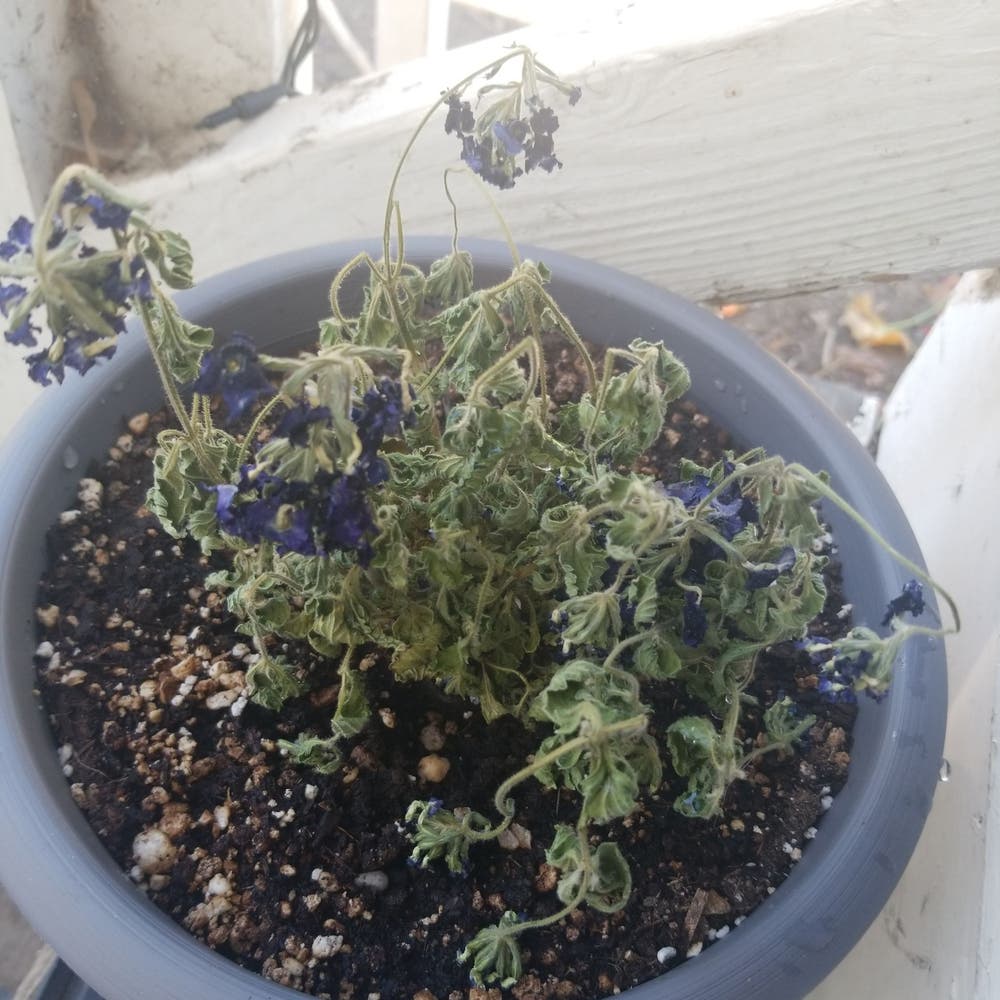
Conversely, heat waves can cause wilting and reduced vigor if moisture isn't adequately maintained. Keeping your Cow Weed well-watered during hot spells is crucial for its vitality.
Understanding these temperature tolerances will help you cultivate a thriving Cow Weed garden, setting the stage for optimal growth in your specific climate.
Ideal Growing Regions
🌍 Examples of US States in Suitable Zones
Cow Weed thrives in a variety of climates across the United States. Here’s a quick look at states where it flourishes:
- Zone 7a: Virginia, North Carolina
- Zone 8a: South Carolina, Georgia
- Zone 9a: Florida, Texas
- Zone 10a: Southern California, parts of Louisiana
- Zone 11b: Hawaii, southern Florida
These regions provide the warm temperatures and humidity that Cow Weed loves.
🌱 Factors Contributing to Ideal Conditions
A warm, humid climate is crucial for Cow Weed's growth and reproduction. This plant thrives in environments where moisture is abundant, allowing it to flourish.
Soil adaptability is another key factor. Cow Weed can tolerate various soil types, whether wet or dry, making it versatile in different landscapes. This resilience allows it to establish itself in diverse environments, from riverbanks to urban gardens.
Understanding these ideal conditions can help you cultivate Cow Weed successfully in your own garden. With the right climate and soil, you can enjoy the benefits of this hardy plant.
As we explore further, let’s dive into how microclimates can extend the growing range of Cow Weed.
Microclimates and Cow Weed
🌱 How Microclimates Extend Growing Range
Microclimates play a crucial role in enhancing the growing range of Cow Weed. They offer protection from frost and can significantly extend the growing season, making them invaluable for gardeners and farmers alike.
These localized climate variations can be found in various environments. Areas near bodies of water, sheltered valleys, and urban settings often create ideal conditions for Cow Weed to thrive.
🌊 Examples of Beneficial Microclimates
Riverbanks and wetlands are prime examples of beneficial microclimates. These naturally moist environments provide the hydration Cow Weed needs to flourish.
Urban gardens also serve as excellent microclimates. The heat retention in cities can create a warm haven for Cow Weed, allowing it to grow robustly even in less-than-ideal conditions.
Understanding these microclimates can help you maximize your Cow Weed cultivation. By leveraging local environmental features, you can create a thriving garden that takes full advantage of these unique conditions.
As we explore state-level suitability next, consider how these microclimates might influence your specific growing area.
State-Level Suitability
Suitable States for Cow Weed 🌱
Cow Weed thrives in several states across the U.S., particularly those in warmer climate zones. The comprehensive list includes Virginia, North Carolina, South Carolina, Georgia, Florida, Texas, California, Louisiana, and Hawaii.
These states offer favorable climate conditions, diverse soil types, and adequate moisture availability, making them ideal for Cow Weed cultivation. The warm, humid environments in these regions support optimal growth and reproduction.
Unsuitable States and Reasons 🚫
Not all states provide the right conditions for Cow Weed. States like North Dakota, Montana, Wyoming, and Maine fall outside the suitable zones.
The reasons for their unsuitability include extreme cold temperatures, short growing seasons, and a higher risk of frost. These factors can severely hinder the growth and survival of Cow Weed.
Local Climate Variations 🌦️
Local climate variations can significantly impact Cow Weed's adaptability. For instance, higher elevations often experience cooler temperatures, which may not be conducive to its growth.
Conversely, coastal areas benefit from proximity to the ocean, which can moderate temperatures and enhance humidity levels. These factors can create microclimates that either support or hinder Cow Weed's thriving potential.
As we explore the impact of microclimates on Cow Weed, we’ll see how these localized conditions can extend its growing range and enhance its resilience.
⚠️ Safety First
This content is for general information and may contain errors, omissions, or outdated details. It is not medical, veterinary advice, or an endorsement of therapeutic claims.
Always consult a qualified healthcare professional before using any plant as food, medicine, or supplement.
Never eat any plant (or feed one to pets) without confirming its identity with at least two trusted sources.
If you suspect poisoning, call Poison Control (800) 222-1222, the Pet Poison Helpline (800) 213-6680, or your local emergency service immediately.
Spotted an error? Please report it here.
Grow thriving Cow Weed 🌱 in zones 7a-11b by leveraging Greg's tailored care reminders and climate insights to keep your plants happy and healthy!