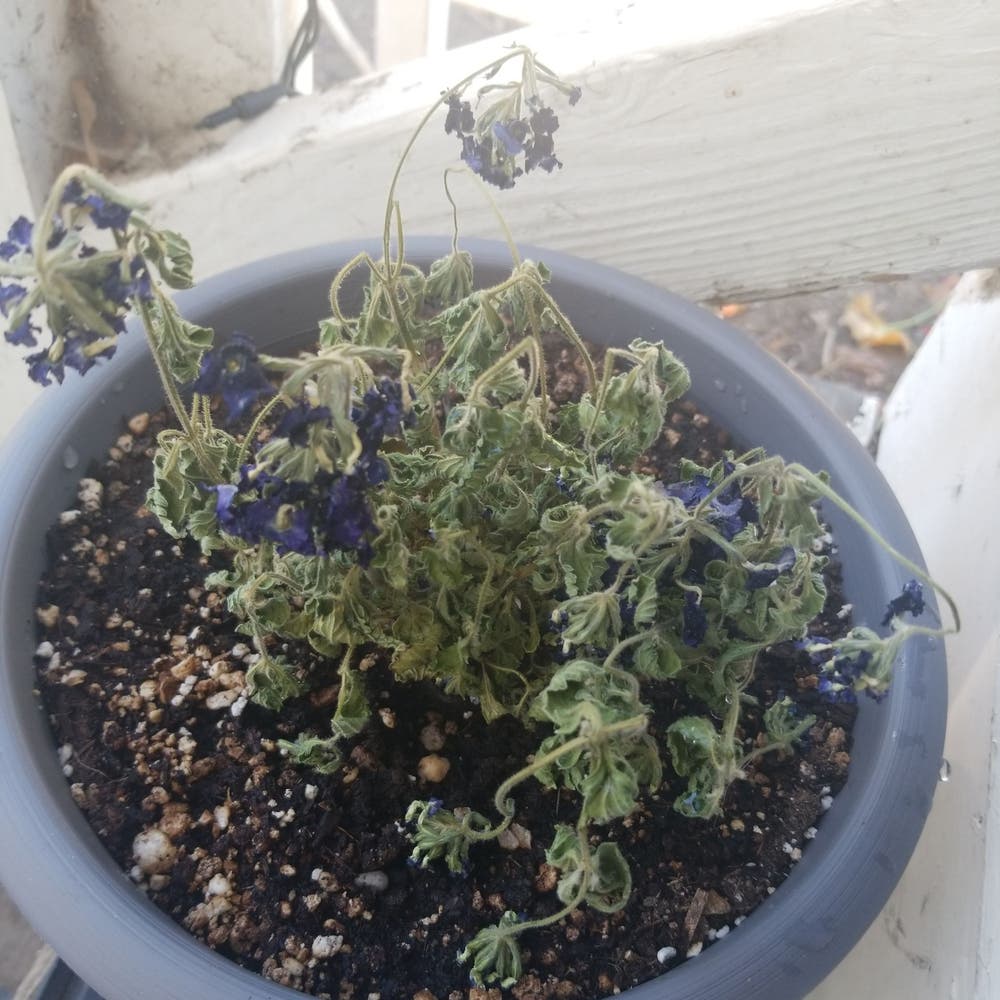
Signs Your Cow Weed Has Root Rot and How to Fix It
Verbena bonariensis
By the Greg Editorial Team
Oct 15, 2024•6 min read
This article was created with the help of AI so we can cover more plants for you. May contain errors. See one? Report it here.
Rescue your Cow Weed from root rot and ensure its vibrant growth with these essential care tips! 🌱
- 🌱 Yellowing leaves and wilting signal root rot; act quickly to save your Cow Weed.
- 🕵️♂️ Inspect roots: white and firm is healthy; brown or black indicates decay.
- 💧 Prevent root rot by ensuring well-draining soil and monitoring moisture levels.
Signs Your Cow Weed Has Root Rot
👀 Visual Symptoms
One of the first signs that your Cow Weed may be suffering from root rot is yellowing leaves. This discoloration often indicates nutrient deficiencies stemming from root damage.
Another critical visual cue is wilting. If the leaves are drooping, it’s a strong signal that the roots are struggling to absorb water effectively.
🔍 Root Examination
To diagnose root rot, a close examination of the roots is essential. Color is a key indicator; healthy roots should be white, while rotting roots will appear brown or black.
Next, consider the texture of the roots. Healthy roots are firm and resilient, whereas mushy, decayed roots indicate severe issues.
Don’t forget to check for smell. A foul odor is a clear sign of decay and should not be ignored.
🌧️ Environmental Indicators
Assessing soil moisture levels is crucial. If the soil feels overly wet, it could be a sign that your Cow Weed is at risk for root rot.
Additionally, look for drainage issues. Signs of poor drainage in the pot or garden bed can exacerbate root problems, leading to a higher chance of rot.
Recognizing these signs early can make a significant difference in the health of your Cow Weed. By staying vigilant, you can take proactive steps to ensure your plant thrives.
Diagnosing Root Rot
Step-by-Step Guide to Checking for Root Rot 🌱
Inspect the plant: Start by looking for visual symptoms like yellowing leaves or wilting. These signs can indicate underlying root issues.
Remove the plant from its pot: Gently take out your Cow Weed to examine the roots. This step is crucial for a thorough assessment.
Assess root condition: Check the roots for color, texture, and smell. Healthy roots should be white and firm, while rotting roots will appear brown or black and feel mushy.
Tools Needed for Diagnosis 🛠️
Gloves: Protect your hands while handling the plant to avoid any potential irritants.
Trowel: Use this tool to carefully remove the plant from the soil without causing damage.
Magnifying glass: This will help you inspect the roots closely for any signs of pathogens or decay.
Differentiating Root Rot from Other Issues 🔍
Pests: Look for signs of pest infestations, such as holes in leaves or visible insects. These symptoms differ from root rot, which primarily affects the roots.
Nutrient deficiencies: Distinguish between nutrient-related issues and root rot by checking for specific symptoms like discoloration or stunted growth. Nutrient deficiencies often manifest in the leaves, while root rot affects the roots directly.
By following these steps, you can effectively diagnose root rot and take the necessary actions to save your Cow Weed. Next, let’s explore how to fix root rot and restore your plant to health.
Fixing Root Rot in Cow Weed
Immediate Actions to Take 🏃♂️
When you discover root rot in your Cow Weed, swift action is crucial. Start by removing the affected roots; this involves carefully trimming away any brown or mushy sections.
To do this effectively, use clean, sharp scissors or pruning shears. After trimming, it’s essential to clean your tools thoroughly to prevent spreading pathogens to healthy parts of the plant.
Recommended Treatments 💊
Once you've addressed the immediate issue, consider treatment options. Fungicides can be effective against root rot; look for those specifically formulated for this purpose.
If you prefer natural remedies, options like cinnamon or hydrogen peroxide can help combat root rot. These substances not only treat the problem but also promote healthier root growth.
Repotting Techniques for Cow Weed 🌱
Repotting is often necessary after addressing root rot. Start by choosing the right pot—ensure it has adequate drainage holes to prevent future issues.
Next, select a well-draining soil mix. This is vital for the health of your Cow Weed, as it allows excess moisture to escape.
Finally, follow these steps for the repotting process:
- Gently remove the Cow Weed from its old pot.
- Place it in the new pot with fresh soil.
- Water lightly to help settle the soil around the roots.
By following these steps, you’ll give your Cow Weed the best chance at recovery and growth.
Transition to Prevention 🔄
With root rot addressed, it’s time to focus on prevention strategies. Understanding how to care for your Cow Weed will help ensure it thrives and stays healthy in the long run.
Preventing Root Rot
🌊 Best Practices for Watering Cow Weed
Watering your Cow Weed correctly is crucial to prevent root rot. Aim to water only when the top inch of soil feels dry; this helps maintain optimal moisture levels.
Overwatering is a common mistake. Watch for signs like yellowing leaves or soggy soil, which indicate that it's time to adjust your watering habits.
🪴 Importance of Soil Type and Drainage
Choosing the right soil mix is essential for healthy Cow Weed. Look for well-draining soil types, such as cactus or succulent mixes, which allow excess moisture to escape.
Improving drainage can make a significant difference. Consider adding materials like perlite or gravel to your pots to enhance airflow and prevent water from pooling.
📅 Seasonal Care Tips to Avoid Overwatering
Adjust your watering schedule with the seasons. In warmer months, your Cow Weed may need more frequent watering, while cooler months require less.
Keep an eye on environmental conditions. High humidity or fluctuating temperatures can affect how quickly the soil dries out, so be ready to adapt your care routine accordingly.
By following these preventive measures, you can keep your Cow Weed thriving and reduce the risk of root rot. Next, let’s explore long-term care strategies to ensure your plant remains healthy and vibrant.
Long-term Care for Healthy Cow Weed
Regular Monitoring for Signs of Root Rot 🌱
Establishing a routine for checking your Cow Weed's health is crucial. Regular inspections can help you catch any signs of root rot early, ensuring your plant remains vibrant.
Keeping a journal of your watering and care practices can also be beneficial. Documenting these details allows you to identify patterns and make adjustments as needed.
Soil Testing and Amendments 🧪
Testing soil moisture levels and pH is essential for maintaining a healthy environment for your Cow Weed. This practice helps you understand whether your plant is thriving or struggling.
Consider using amendments to improve soil health. Options like compost or specialized soil mixes can enhance nutrient availability and drainage.
Choosing the Right Pot and Drainage Solutions 🪴
When selecting a pot, ensure it provides adequate space for root growth. A pot that's too small can restrict development and lead to health issues.
Incorporating drainage solutions is vital for preventing root rot. Use pots with drainage holes and consider adding materials like gravel or perlite to improve airflow and moisture control.
By following these long-term care tips, you can foster a thriving Cow Weed that stays healthy and vibrant. Next, let’s explore how to prevent root rot effectively.
⚠️ Safety First
This content is for general information and may contain errors, omissions, or outdated details. It is not medical, veterinary advice, or an endorsement of therapeutic claims.
Always consult a qualified healthcare professional before using any plant as food, medicine, or supplement.
Never eat any plant (or feed one to pets) without confirming its identity with at least two trusted sources.
If you suspect poisoning, call Poison Control (800) 222-1222, the Pet Poison Helpline (800) 213-6680, or your local emergency service immediately.
Spotted an error? Please report it here.
Spotting root rot early is key to saving your Cow Weed, and with Greg's tailored watering alerts and soil moisture checks, you'll be empowered to keep your plant thriving 🌿!