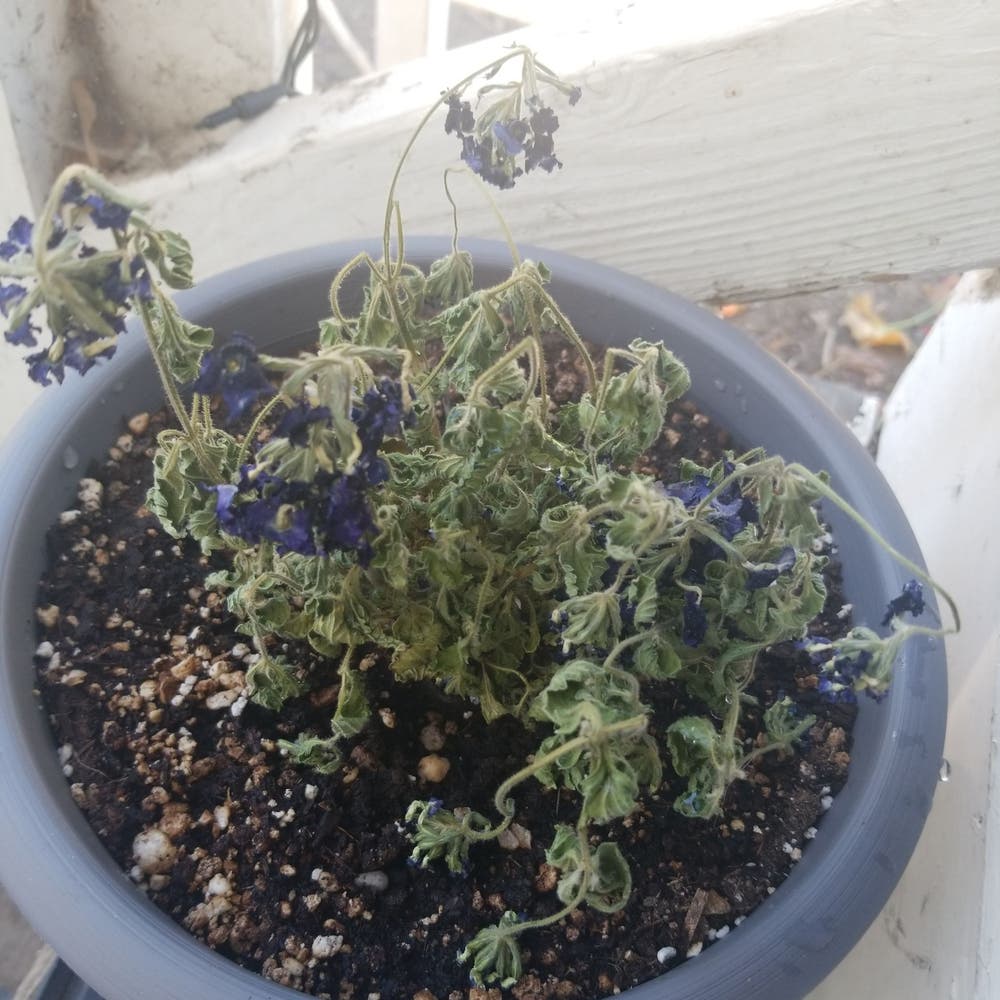
Understanding Brown Spots on Your Cow Weed Leaves 🐄
Verbena bonariensis
By the Greg Editorial Team
Oct 15, 2024•4 min read
This article was created with the help of AI so we can cover more plants for you. May contain errors. See one? Report it here.
Revitalize your Cow Weed by uncovering the secrets behind brown spots and how to treat them effectively! 🌱
- 🌱 Brown spots on Cow Weed indicate issues like pests, infections, or nutrient deficiencies.
- 🦠 Fungal and bacterial infections cause distinct symptoms; identify them for effective treatment.
- 💧 Proper watering and monitoring are crucial to prevent browning and maintain plant health.
Causes of Brown Spots
🦠 Fungal Infections
Fungal diseases are a primary culprit behind brown spots on Cow Weed leaves. Leaf spot fungi create small, dark brown spots surrounded by yellow halos, while powdery mildew manifests as a white, powdery coating that can eventually lead to browning.
🦠 Bacterial Infections
Bacterial infections can also wreak havoc on your plants. Bacterial leaf blight presents as water-soaked spots that turn brown and necrotic, often leading to rapid leaf decay.
🐛 Pest Infestations
Pests are another significant factor in leaf discoloration. Aphids, those tiny green insects, can cause leaf curling and browning, while spider mites create stippled leaves and webbing that further damage the plant.
🥦 Nutrient Deficiencies
Nutrient deficiencies can lead to noticeable discoloration. A nitrogen deficiency typically results in yellowing followed by browning of older leaves, whereas a potassium deficiency causes marginal browning and leaf curling.
🌡️ Environmental Stress
Environmental factors can also contribute to brown spots. Temperature extremes, whether high heat or sudden cold snaps, can damage leaves, while low humidity levels often lead to browning tips and edges.
Understanding these causes is crucial for diagnosing and treating brown spots effectively. Next, we’ll explore how to identify the specific issues affecting your Cow Weed leaves.
Diagnosing the Issue
Identifying the Type of Brown Spots 🌰
When it comes to brown spots on your Cow Weed leaves, the size and shape can tell you a lot. Small, round spots may indicate a fungal issue, while large, irregular patches could suggest something more serious.
The location of these spots is equally important. Are they concentrated at the tips and edges, or scattered throughout the leaf surface? This can help pinpoint the underlying problem.
Assessing Environmental Factors 🌤️
Next, consider the light conditions your Cow Weed is receiving. Too much direct sunlight can scorch leaves, while insufficient light may weaken the plant, making it more susceptible to issues.
Watering practices also play a crucial role. Overwatering can lead to root rot, while underwatering stresses the plant, both of which can contribute to browning leaves.
Lastly, evaluate the soil quality. Poor drainage and low nutrient content can exacerbate problems, leading to unhealthy plants. Regular checks can help you maintain a balanced environment for your Cow Weed.
Understanding these factors will guide you in diagnosing the issue effectively. With this knowledge, you can take the next steps toward treatment and prevention.
Treatment Options
🌱 Organic Treatments for Fungal and Bacterial Issues
Neem Oil Application
Neem oil is a powerful ally against fungal and bacterial infections. Mix 1-2 tablespoons of neem oil with a gallon of water and apply it every 7-14 days until you see improvement.
Baking Soda Solution
Another effective remedy is a baking soda solution. Combine 1 tablespoon of baking soda with a gallon of water and spray it on affected leaves in the evening for best results.
⚗️ Chemical Treatments
Fungicides and Bactericides
When organic methods aren't enough, consider chemical treatments. Copper-based fungicides and systemic bactericides are popular choices; just be sure to follow the label instructions for dosage and frequency.
🐞 Pest Control Methods
Insecticidal Soap
For pest infestations, insecticidal soap can be very effective. Thoroughly coat the affected areas every 5-7 days to keep pests at bay.
Manual Removal of Pests
Sometimes, a hands-on approach works best. You can hand-pick pests or use a soft cloth to gently wipe leaves, removing unwanted visitors.
These treatment options can significantly improve the health of your Cow Weed. Next, let’s explore preventive measures to keep your plants thriving.
Preventive Measures
Best Practices for Cow Weed Care 🌱
Proper watering is crucial for healthy Cow Weed. Allow the top inch of soil to dry out between waterings to prevent over-saturation.
Ensure your pots have drainage holes and use well-draining soil. This helps avoid root rot and keeps your plants thriving.
Soil amendments play a vital role in nutrient balance. Incorporate compost or balanced fertilizers during the growing season for optimal growth.
Regular monitoring for pests and diseases is essential. Conduct weekly inspections to catch any issues early on.
Seasonal Care Tips 🌦️
Adjust your care routine based on the growth phases of your Cow Weed. Increase fertilization during active growth in spring and summer to support robust development.
As seasons change, prepare your plants accordingly. Protect them from frost by moving indoors or covering them during cold snaps.
By following these preventive measures, you can keep your Cow Weed healthy and vibrant. This proactive approach not only enhances growth but also minimizes the risk of brown spots and other issues.
⚠️ Safety First
This content is for general information and may contain errors, omissions, or outdated details. It is not medical, veterinary advice, or an endorsement of therapeutic claims.
Always consult a qualified healthcare professional before using any plant as food, medicine, or supplement.
Never eat any plant (or feed one to pets) without confirming its identity with at least two trusted sources.
If you suspect poisoning, call Poison Control (800) 222-1222, the Pet Poison Helpline (800) 213-6680, or your local emergency service immediately.
Spotted an error? Please report it here.
Keep your Cow Weed thriving 🌿 by using Greg's tailored watering reminders and care tips to prevent brown spots and ensure vibrant leaves!