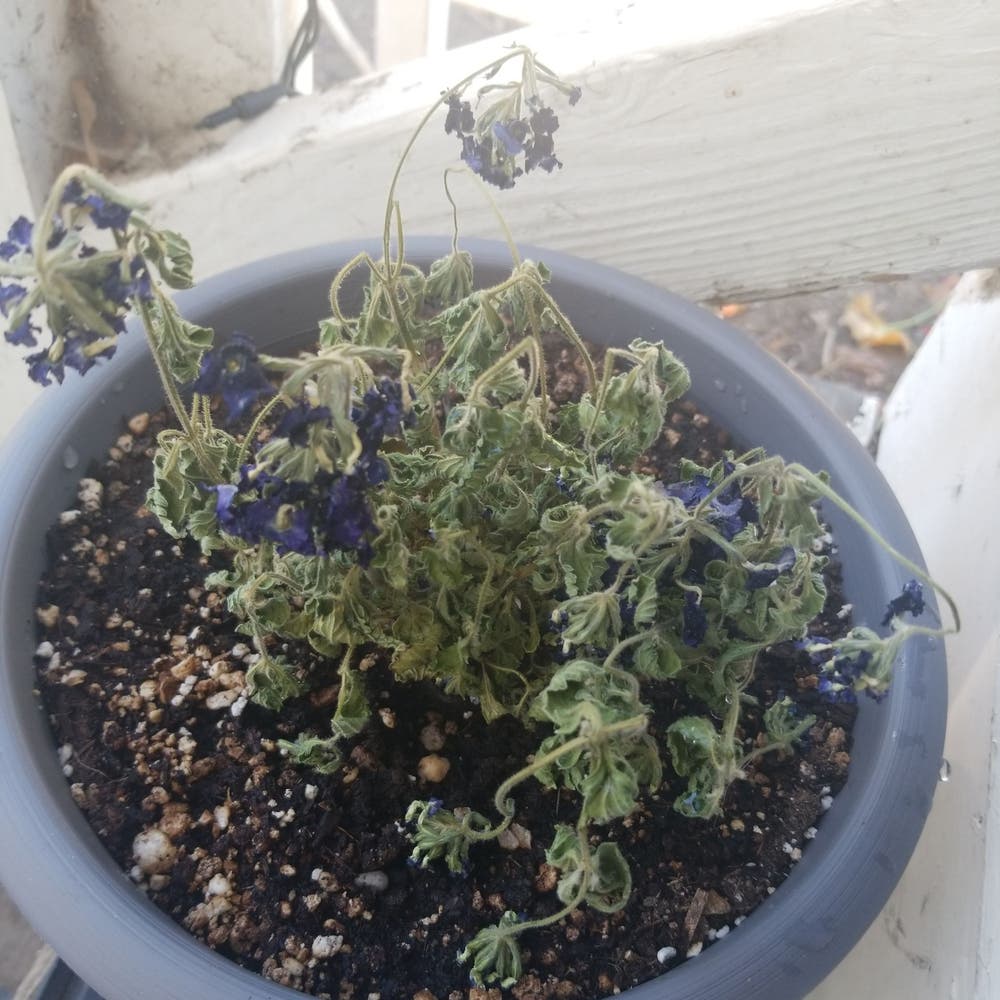
Best Tips for Droopy Leaves on Cow Weed 💧
Verbena bonariensis
By the Greg Editorial Team
Oct 15, 2024•7 min read
This article was created with the help of AI so we can cover more plants for you. May contain errors. See one? Report it here.
Transform your droopy Cow Weed 🌱 into a thriving beauty with essential care tips for vibrant growth!
- 💧 Overwatering and underwatering both cause droopy leaves; check soil moisture regularly.
- 🌡️ Ideal temperatures for cow weed are 20°C to 30°C; avoid extremes to prevent drooping.
- 🌿 High humidity (60%+) is essential; use humidifiers or pebble trays to maintain levels.
Causes of Droopy Leaves
💧 Overwatering and Its Effects
Overwatering is a common culprit behind droopy leaves. Symptoms include yellowing leaves, mushy roots, and a foul smell emanating from the soil.
The impact of overwatering can be severe, leading to root rot and reduced oxygen availability for the plant. This creates an unhealthy environment that can stunt growth and cause further drooping.
🚰 Underwatering and Dehydration
On the flip side, underwatering can also lead to droopy leaves. Look for crispy leaf edges, wilting, and dry soil as telltale signs of dehydration.
When a plant is underwatered, it goes into stress mode, which often results in droopy leaves. This stress can hinder growth and overall health.
🌡️ Environmental Stress Factors
Temperature
Temperature plays a significant role in plant health. Cow weed thrives in an ideal range of 20°C to 30°C (68°F to 86°F).
Extreme temperatures can lead to leaf droop. Heat stress or cold shock can both cause the plant to react negatively, resulting in droopy leaves.
🌬️ Humidity
Humidity is another critical factor for cow weed. This plant prefers high humidity levels of 60% or higher to flourish.
Low humidity can lead to leaf curling and drooping. Without the right moisture in the air, the plant struggles to maintain its structure.
🥦 Nutrient Deficiencies
Nitrogen Deficiency
A lack of nitrogen can manifest in pale leaves and stunted growth. This deficiency weakens the plant, making it more susceptible to drooping.
When nitrogen levels are low, the overall vigor of the plant diminishes, further exacerbating droopiness.
🥔 Potassium Deficiency
Potassium deficiency shows up as leaf tip burn and yellowing. This nutrient is vital for overall plant health and resilience.
Without adequate potassium, the plant's ability to thrive is compromised, leading to droopy leaves.
🐜 Pest Infestations
Aphids
Aphids can wreak havoc on cow weed. Signs of an infestation include sticky residue on leaves and curled foliage.
These pests weaken the plant, making it more prone to drooping. Their feeding habits can severely impact overall health.
🕷️ Spider Mites
Spider mites are another threat to cow weed. Look for fine webbing and stippled leaves as indicators of their presence.
These tiny pests cause significant stress to the plant, resulting in droopy leaves. Regular monitoring is essential to catch infestations early.
Understanding these causes is crucial for effective plant care. By identifying the underlying issues, you can take steps to revive your cow weed and keep it thriving.
Diagnosing Droopy Leaves
🚰 Signs of Overwatering vs. Underwatering
Overwatering is often indicated by consistently wet soil, with roots that may appear black or mushy. In contrast, underwatering leads to dry soil and crispy, droopy leaves.
🌡️ Identifying Environmental Stress Indicators
Temperature fluctuations can cause drooping, especially if there are sudden changes. Additionally, low humidity levels can result in leaf curling and drooping, signaling that your Cow Weed needs attention.
🐛 Recognizing Pest Damage
A visual inspection is crucial for identifying pest damage. Look for pests and signs of damage, such as wilting or curling leaves, which can indicate an infestation.
🌱 Assessing Soil Conditions
To assess soil conditions, perform a soil moisture test to check for sogginess or dryness. Also, ensure that pots have adequate drainage holes to prevent waterlogging, which can exacerbate drooping issues.
By diagnosing these factors, you can take the necessary steps to revive your Cow Weed and restore its health. Next, let’s explore effective solutions for droopy leaves.
Solutions for Droopy Leaves
🌊 Adjusting Watering Practices
Watering is crucial for your Cow Weed's health. Aim to water when the top inch of soil feels dry to the touch.
Using a moisture meter can help you gauge soil moisture accurately. This tool takes the guesswork out of watering, ensuring your plant gets just the right amount.
💧 Improving Humidity Levels
Humidity plays a significant role in keeping your Cow Weed vibrant. Consider using a humidifier or placing pebble trays filled with water near your plant.
Maintaining humidity levels above 60% is ideal for optimal growth. This simple adjustment can make a world of difference.
🌱 Fertilizing for Nutrient Balance
A balanced NPK fertilizer is essential during the growing season. Fertilize every 4-6 weeks to provide your Cow Weed with the nutrients it craves.
This regular feeding will help prevent nutrient deficiencies that can lead to droopy leaves.
🐞 Treating Pest Infestations
Pests can wreak havoc on your Cow Weed, leading to droopy leaves. Use neem oil or insecticidal soap to combat aphids and spider mites effectively.
Regularly check your plant for signs of pests. Early detection is key to keeping your plant healthy.
☀️ Reassessing Light Exposure
Light is another critical factor for your Cow Weed's well-being. It thrives in bright, indirect light, so make sure it’s getting enough.
If your plant seems to be struggling, consider moving it to a brighter location. This small change can significantly enhance its health.
By implementing these solutions, you can help your Cow Weed bounce back from droopy leaves and thrive once again. Next, let’s explore preventative measures to keep your plant healthy in the long run.
Preventative Measures
🌊 Best Practices for Watering
Establishing a consistent watering routine is crucial for your Cow Weed. Monitor the soil moisture regularly to determine when to water, ensuring you don’t overdo it.
Using tools like the Greg plant care app can help you stay on track. Set reminders based on your plant’s needs to avoid any surprises.
🌱 Ideal Soil Mix
A well-draining, nutrient-rich soil mix is essential for healthy growth. Combining peat, perlite, and compost creates an ideal environment for your Cow Weed.
This mix prevents root rot and ensures your plant gets the nutrients it needs to thrive. Healthy soil leads to vibrant leaves!
🌬️ Maintaining Optimal Humidity and Temperature
Humidity plays a significant role in your Cow Weed's health. Aim to keep humidity levels above 60% for optimal growth.
Using hygrometers can help you monitor these levels effectively. Be prepared to make seasonal adjustments, especially during dry months, to keep your plant happy.
🐞 Regular Pest Monitoring and Control
Pests can sneak up on you if you’re not careful. Conduct weekly inspections to catch any infestations early.
Consider introducing beneficial insects or using organic pesticides as control methods. Staying proactive can save your Cow Weed from unnecessary stress.
🍂 Seasonal Care Adjustments
Adjusting your care routine based on the seasons is vital. During dormancy, modify your watering and fertilization practices to suit your plant's needs.
This attention to detail helps your Cow Weed maintain its health throughout the year. A little adjustment goes a long way in ensuring robust growth.
By implementing these preventative measures, you can significantly reduce the chances of droopy leaves. Next, let’s explore effective recovery techniques to bring your Cow Weed back to life if it does face challenges.
Recovery Techniques
Steps to Revive Droopy Cow Weed 🌱
- Assess the cause: Start by identifying whether overwatering, underwatering, or pests are the culprits behind the droopy leaves.
- Adjust care practices: Based on your diagnosis, implement the necessary changes to your watering or pest control methods.
- Monitor recovery: Keep an eye on the plant's leaves for signs of improvement over time.
Monitoring Recovery Progress 👀
- Signs of improvement: Look for new growth and perked-up leaves as indicators that your plant is bouncing back.
- Timeline: Be patient; recovery can take several weeks, depending on the severity of the issue.
When to Repot or Change Soil 🪴
- Signs for repotting: If you notice root-bound conditions or the soil quality has deteriorated, it’s time to consider repotting.
- Recommended soil: Use a fresh, well-draining mix to give your Cow Weed the best chance at recovery.
Long-Term Care Strategies 📅
- Establishing a care routine: Create a consistent schedule for watering, fertilizing, and checking for pests to keep your plant healthy.
- Importance of environmental stability: Minimize stress factors like temperature fluctuations and humidity changes for optimal growth.
By following these recovery techniques, you can help your Cow Weed thrive again. Next, let's explore some preventative measures to keep your plant healthy in the long run.
⚠️ Safety First
This content is for general information and may contain errors, omissions, or outdated details. It is not medical, veterinary advice, or an endorsement of therapeutic claims.
Always consult a qualified healthcare professional before using any plant as food, medicine, or supplement.
Never eat any plant (or feed one to pets) without confirming its identity with at least two trusted sources.
If you suspect poisoning, call Poison Control (800) 222-1222, the Pet Poison Helpline (800) 213-6680, or your local emergency service immediately.
Spotted an error? Please report it here.
Keep your cow weed thriving 🌿 by using Greg's tailored reminders for watering, humidity, and nutrients to prevent droopy leaves and promote vibrant growth!