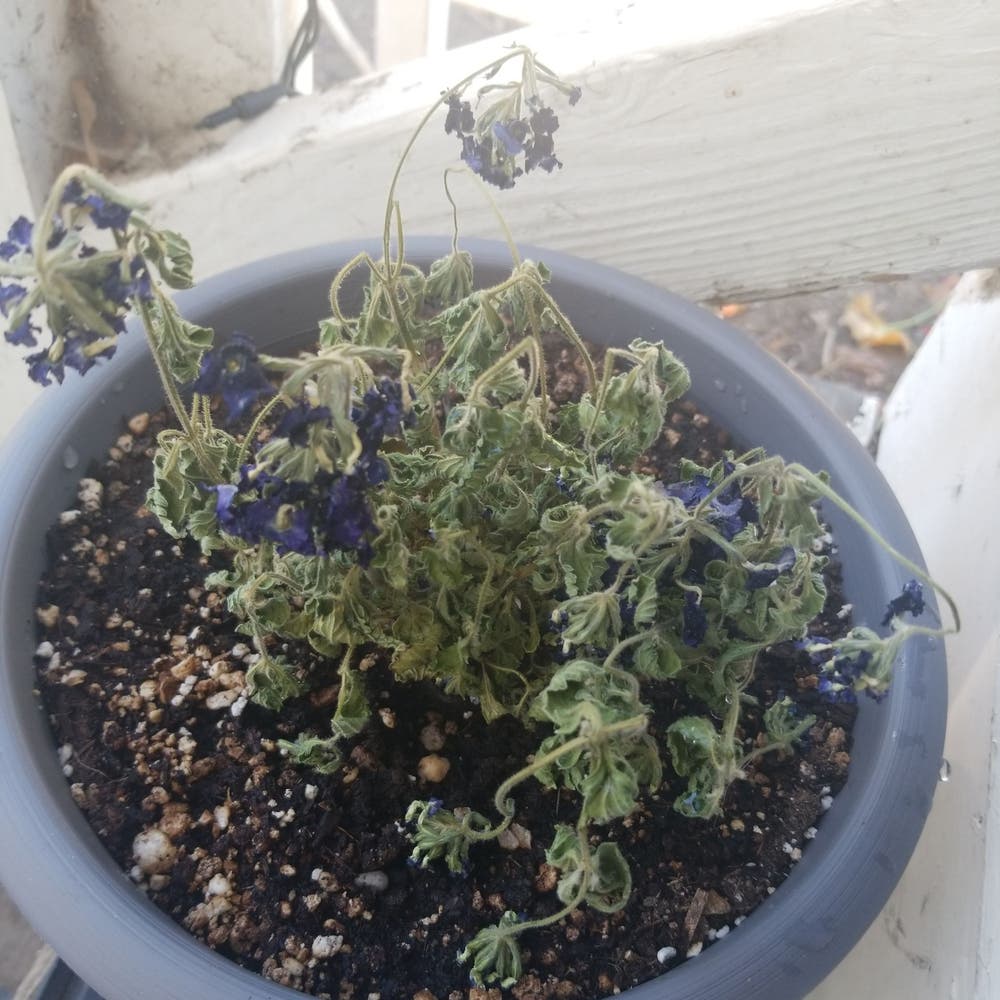
🐄 Cow Weed: A Common Weed
Verbena bonariensis
By the Greg Editorial Team
Oct 15, 2024•7 min read
This article was created with the help of AI so we can cover more plants for you. May contain errors. See one? Report it here.
Uncover the urgent threat of Cow Weed 🌱 and empower yourself with strategies to protect our ecosystems!
- 🌱 Cow Weed disrupts ecosystems by outcompeting native plants for resources.
- 🌼 Identifiable by broad, lobed leaves and small yellow flowers; avoid confusion with clover.
- ⚠️ Effective management includes manual removal and selective herbicides during active growth.
Plant Classification
Definition of Weeds and Invasive Species 🌱
Weeds are unwanted plants that invade cultivated areas, competing fiercely with desired plants for essential resources like sunlight, water, and nutrients. Invasive species, on the other hand, are non-native plants that spread aggressively, often disrupting local ecosystems and outcompeting native flora.
Criteria for Classifying Cow Weed as a Weed 🐄
Cow Weed exemplifies a weed due to its rapid spread, quickly colonizing disturbed areas. Its competitive nature allows it to outcompete native plants for vital resources, leading to significant ecological impacts that alter local ecosystems and reduce biodiversity.
This classification highlights the importance of understanding Cow Weed's role in our environment. By recognizing its invasive tendencies, we can better appreciate the need for effective management strategies to protect our native plant communities.
Identification
Key Identifying Features 🌿
Cow Weed is easy to spot once you know what to look for. Its broad, lobed leaves feature a serrated edge, making them distinct among other plants.
In addition to its leaves, Cow Weed produces small yellow flowers that cluster together in groups. Typically, this weed grows to a height of 1 to 3 feet, making it a noticeable presence in any area it occupies.
Look-Alike Plants and Distinguishing Characteristics 👀
When identifying Cow Weed, it's essential to differentiate it from similar plants. Clover may resemble Cow Weed due to its leaf shape, but it has a trifoliate structure that sets it apart.
Wildflowers can also confuse the untrained eye, as they may share similar flowering patterns. However, they differ in leaf arrangement and overall growth habit, making careful observation crucial for accurate identification.
Understanding these characteristics can help you recognize Cow Weed in your surroundings, allowing for timely management and control. With this knowledge, you're better equipped to tackle this invasive species head-on.
Growth Habits and Spread
Typical Growth Patterns 🌱
Cow Weed is notorious for its rapid growth, particularly in disturbed soils. This aggressive nature allows it to quickly take over areas that have been disrupted, making it a common sight in many environments.
Seasonal Behavior ☀️
This weed thrives during the spring and summer months, often flourishing when other plants are also growing. However, it tends to die back in winter, leaving behind a dormant presence until conditions are favorable again.
Reproductive Strategies and Methods of Spread 🌾
One of Cow Weed's most alarming traits is its high reproductive capacity. It produces numerous seeds, ensuring that its population can rebound quickly after removal efforts.
Seed Viability 🌱
The seeds of Cow Weed are remarkably resilient, capable of remaining viable in the soil for several years. This longevity complicates control efforts, as new plants can emerge long after the initial infestation seems to have been managed.
Environmental Conditions Favoring Success 🌍
Cow Weed thrives in disturbed areas such as roadsides and agricultural fields. Its adaptability to various soil types, particularly nutrient-rich soils, allows it to establish itself in a wide range of environments.
Conclusion 📜
Understanding Cow Weed's growth habits and spread is crucial for effective management. By recognizing its patterns, we can better prepare for control measures and mitigate its impact on local ecosystems.
Ecological Impact
🌱 Effects on Native Plant Communities
Cow Weed significantly reduces the diversity of native flora by aggressively outcompeting them for essential resources like sunlight, nutrients, and water. This competition can lead to habitat alteration, changing the structure and composition of local ecosystems.
🦉 Impact on Wildlife and Biodiversity
The presence of Cow Weed disrupts food sources for native wildlife, potentially diminishing their availability. This disruption contributes to the overall loss of biodiversity, as native species struggle to survive in altered habitats.
🌊 Influence on Soil and Water Resources
Cow Weed negatively affects soil health by altering nutrient cycling and water retention. Additionally, it can impact local hydrology, changing water absorption rates and potentially leading to further ecological imbalance.
Understanding these ecological impacts is crucial for effective management and control of Cow Weed. By recognizing its influence on native plant communities and local ecosystems, we can take informed steps to mitigate its spread and preserve biodiversity.
Control and Management
🌱 Manual Removal Techniques
Hand-pulling is a straightforward method for tackling small Cow Weed infestations. Ensure you remove the entire root to prevent regrowth, though this can be moderately challenging.
Mowing is another effective strategy. Regular mowing can significantly reduce seed production, but be prepared for multiple sessions to keep it in check.
🧪 Chemical Control Options and Best Practices
Selective herbicides can be a game-changer in managing Cow Weed. These target the weed while minimizing damage to surrounding native plants.
Timing is crucial when applying herbicides. The best results come when you treat Cow Weed during its active growth phase, ensuring maximum effectiveness.
🐞 Biological Control Methods and Their Effectiveness
Research is ongoing into natural predators that could help control Cow Weed populations. While promising, the effectiveness of these biological agents can vary based on local conditions.
It's essential to recognize the limitations of biological control. Factors like ecosystem diversity and climate can influence how well these methods work.
🚫 Preventive Measures to Limit Spread
Regular monitoring is key to catching new infestations early. This proactive approach can save you a lot of trouble down the line.
Soil management is equally important. Avoid unnecessary soil disturbance to reduce the chances of Cow Weed seeds germinating.
⏰ Importance of Early Detection and Rapid Response
Quick action is vital to prevent Cow Weed from establishing itself in new areas. The sooner you act, the easier it will be to manage.
Community involvement plays a significant role in controlling Cow Weed. Encourage local awareness and reporting of sightings to keep this invasive plant in check.
By staying vigilant and proactive, we can protect our ecosystems from the impacts of Cow Weed.
Legal Status
📜 Laws and Regulations
Cow Weed is classified as a noxious weed in various regions, which means it poses a significant threat to local ecosystems. This classification often mandates control measures to prevent its spread and mitigate its impact.
Local regulations can vary widely, dictating specific management practices that landowners and managers must follow. Understanding these laws is crucial for effective Cow Weed management.
⚖️ Requirements for Removal or Control
Compliance with local laws is essential for anyone dealing with Cow Weed. Landowners and managers need to be aware of their legal obligations to ensure they are following the correct procedures.
In some areas, reporting infestations to local authorities is required. This proactive approach helps in tracking and managing Cow Weed populations effectively.
By staying informed about legal requirements, communities can work together to combat the spread of Cow Weed and protect their local ecosystems. This collective effort is vital for preserving biodiversity and maintaining healthy environments.
As we move forward, let’s explore the potential benefits or uses of Cow Weed, despite its many challenges.
Potential Benefits or Uses
🏺 Historical or Current Beneficial Uses
Cow Weed has found its place in traditional medicine among various cultures. Some have harnessed its properties for remedies, showcasing its historical significance.
⚖️ Discussion of Benefits Versus Negative Impacts
Despite these uses, the negative impacts of Cow Weed far outweigh any potential benefits. Its aggressive nature disrupts ecosystems and threatens native species, making it a problematic presence in many areas.
Understanding these dynamics is crucial for effective management. While it may have some historical uses, the ecological and economic harm it causes cannot be ignored.
In the grand scheme, prioritizing the health of local ecosystems is essential. This ensures that native flora and fauna can thrive, ultimately benefiting the environment as a whole.
As we move forward, recognizing the importance of responsible management practices will help mitigate the challenges posed by Cow Weed.
⚠️ Safety First
This content is for general information and may contain errors, omissions, or outdated details. It is not medical, veterinary advice, or an endorsement of therapeutic claims.
Always consult a qualified healthcare professional before using any plant as food, medicine, or supplement.
Never eat any plant (or feed one to pets) without confirming its identity with at least two trusted sources.
If you suspect poisoning, call Poison Control (800) 222-1222, the Pet Poison Helpline (800) 213-6680, or your local emergency service immediately.
Spotted an error? Please report it here.
Combat Cow Weed's spread and protect your garden's health 🌱 with Greg's personalized tips for effective weed management and thriving native plants!