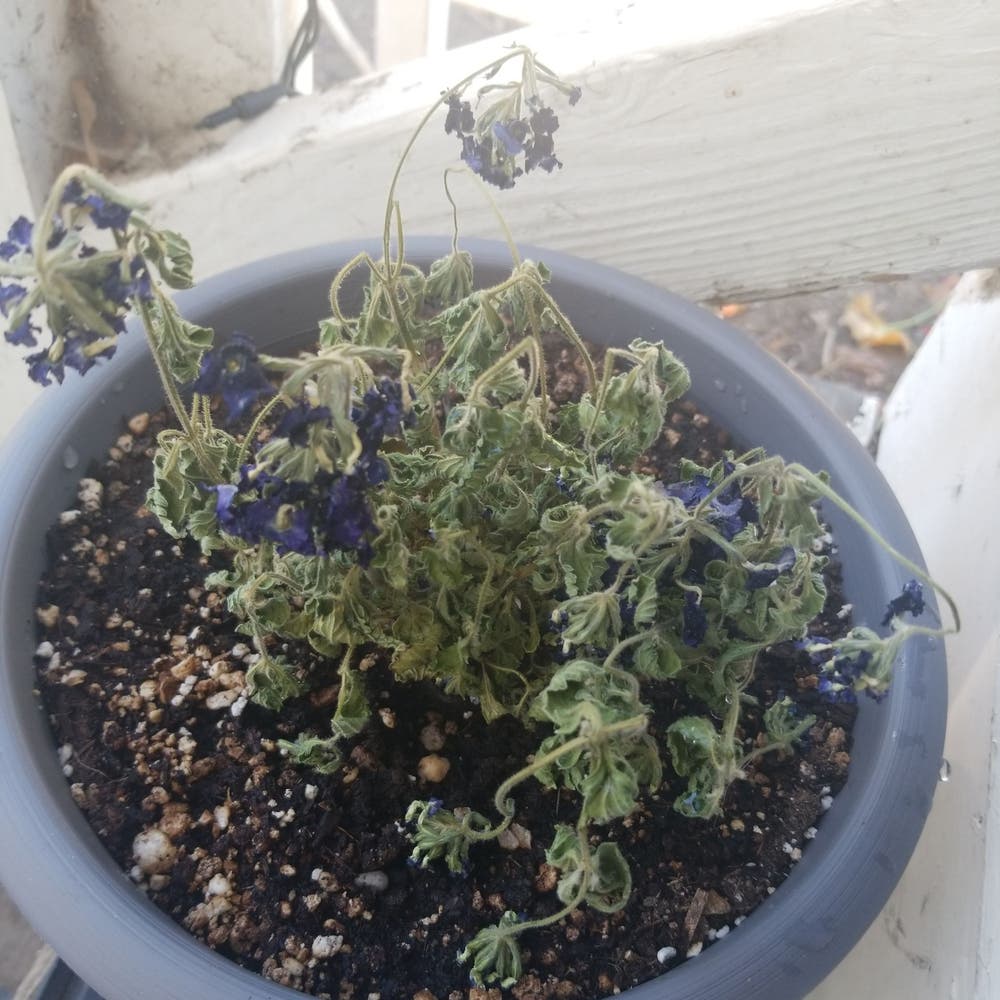
Ultimate Guide to Fixing Curling Leaves on Cow Weed 💧
Verbena bonariensis
By the Greg Editorial Team
Oct 15, 2024•6 min read
This article was created with the help of AI so we can cover more plants for you. May contain errors. See one? Report it here.
Revive your Cow Weed 🌱 by quickly diagnosing and treating curling leaves for vibrant, healthy growth!
- 🌊 Curling leaves indicate overwatering or underwatering; adjust your watering routine accordingly.
- 🐛 Pests like aphids and spider mites cause curling; check for sticky residue or webs.
- 🌡️ Environmental stressors like temperature and humidity affect leaf health; monitor conditions closely.
Diagnosing Curling Leaves
Identifying Symptoms 🌿
Curling leaves on Cow Weed can manifest in two primary ways: upward curling and downward curling. Upward curling often indicates overwatering, while downward curling may suggest underwatering or nutrient deficiencies.
Color changes are also critical indicators. Yellowing leaves can signal nutrient deficiencies or stress, while browning edges often point to environmental issues like low humidity or excessive heat.
Differentiating Between Pest Damage and Environmental Stress 🐜
Pest infestations are a common culprit behind curling leaves. Aphids are small, green or black insects that cluster on new growth, causing leaves to curl and distort. Look for sticky residue or a shiny appearance on leaves, which indicates their presence.
Spider mites are another threat, identifiable by fine webbing and stippling on the leaves. These tiny pests can cause significant damage if not addressed promptly.
Environmental stress can also lead to curling leaves. Wilting often results from inconsistent watering or extreme temperatures, while leaf drop can occur due to sudden changes in the plant's environment or nutrient deficiencies. Understanding these signs is crucial for effective diagnosis and treatment.
Solutions for Curling Leaves
🌊 Step-by-Step Guide to Correcting Watering Issues
Assess Current Watering Schedule
Start by evaluating how often and how much you water your Cow Weed. This will help you identify if your watering habits are contributing to the curling leaves.Check Soil Moisture
Use a moisture meter or simply stick your finger into the soil to gauge moisture levels. This step is crucial to ensure you're not over or under-watering.Adjust Watering Practices
Aim for consistent moisture without waterlogging the soil. A good rule of thumb is to let the top inch of soil dry out before watering again.
🌱 Adjusting Soil Conditions for Optimal Growth
Soil Type Recommendations
Choose well-draining, nutrient-rich substrates for your Cow Weed. This ensures that roots can breathe and absorb nutrients effectively.
pH Levels
Maintain a pH range of 6.0 to 7.5 for optimal growth. Regularly testing the soil can help you stay within this ideal range.
Improving Soil Structure
Enhance your soil by adding organic matter and compost. This not only improves drainage but also boosts nutrient availability.
🌿 Nutrient Supplementation
Identifying Nutrient Deficiencies
Conduct soil testing to pinpoint any deficiencies. This proactive approach helps you understand what your Cow Weed needs.
Recommended Fertilizers
Opt for balanced NPK fertilizers to support healthy growth. Look for options that provide equal parts nitrogen, phosphorus, and potassium.
Application Timing
Apply fertilizers during the growing season for the best nutrient uptake. Timing is key to ensuring your Cow Weed thrives.
By addressing watering issues, soil conditions, and nutrient needs, you can effectively combat curling leaves. Next, let’s explore preventive measures to keep your Cow Weed healthy year-round.
Preventive Measures
Best Practices for Cow Weed Care 🌱
Maintaining a regular watering schedule is crucial for Cow Weed. Consistent moisture levels help prevent stress that can lead to curling leaves.
Optimal sunlight exposure is equally important. Position your Cow Weed to receive bright, indirect light for the best growth results.
Seasonal Considerations for Preventing Leaf Curl 🌦️
As seasons change, so should your care practices. Adjust watering and light exposure to match the plant's needs throughout the year.
Preparing for extreme weather is essential. Use protective measures like shade cloths or windbreaks to shield your Cow Weed from harsh conditions.
Regular Monitoring for Pests and Diseases 🔍
Regular inspections are key to early detection of issues. Aim for weekly checks to catch any problems before they escalate.
Look for signs like leaf discoloration or unusual growth patterns. These indicators can help you identify potential pests or diseases early on, keeping your Cow Weed healthy and vibrant.
With these preventive measures in place, your Cow Weed will thrive, reducing the likelihood of curling leaves. Next, let’s dive into identifying common pests and diseases that can affect your plant.
Common Pests and Diseases
🐛 Identifying Pests That Cause Leaf Curl
Pests can wreak havoc on Cow Weed, leading to curling leaves that signal distress.
Aphids: Symptoms and Damage Assessment
Aphids are tiny, soft-bodied insects that often cluster on new growth. Look for curled leaves, sticky residue, and a general decline in plant vigor.
Spider Mites: Identification and Impact on Leaf Health
Spider mites are even smaller and can be harder to spot. Check for fine webbing and stippling on leaves, which indicates their presence and potential damage.
🧼 Treatment Options for Pest Infestations
Addressing pest issues promptly can save your Cow Weed from further damage.
Organic Pest Control Methods
Consider using neem oil or insecticidal soap as effective organic solutions. These options are gentle on the environment and can help eliminate pests without harsh chemicals.
Chemical Options
If infestations are severe, stronger chemical treatments may be necessary. Use these as a last resort, following all safety guidelines to protect your plant and surrounding ecosystem.
🦠 Recognizing Diseases That Lead to Leaf Curl
Diseases can also contribute to leaf curling, often mimicking pest damage.
Common Diseases Affecting Cow Weed
Fungal infections are common culprits, leading to symptoms like discolored leaves and wilting. Regularly inspect your plants to catch these issues early.
Fungal Infections: Symptoms and Prevention
Look for spots or powdery mildew on leaves. To prevent these infections, ensure good air circulation and avoid overhead watering.
Bacterial Issues: Identifying and Managing Outbreaks
Bacterial infections can cause leaf spots and wilting. If you suspect a bacterial issue, remove affected leaves and consider using a copper-based treatment.
Understanding these pests and diseases is crucial for maintaining healthy Cow Weed. With the right knowledge and proactive measures, you can keep your plants thriving.
Next, let’s explore preventive measures to ensure your Cow Weed remains healthy and vibrant.
Myths and Misconceptions
🐛 Debunking Common Myths About Leaf Curl
One prevalent myth is that leaf curl is always caused by pests. While pests like aphids and spider mites can contribute to this issue, environmental factors often play a significant role as well.
Another misconception is that all Cow Weed varieties are equally susceptible to leaf curl. In reality, different varieties have varying levels of resilience and adaptability to stressors.
💧 Clarifying Misconceptions About Care Practices
A common belief is that more water is always better for Cow Weed. Overwatering can lead to root rot and exacerbate leaf curling, so it's crucial to find a balanced watering routine.
Additionally, many think that frequent fertilization is necessary for healthy growth. However, over-fertilizing can harm your plants, making it essential to follow a tailored fertilization schedule based on soil tests and plant needs.
Understanding these myths and misconceptions can significantly improve your Cow Weed care strategy. With the right knowledge, you can foster healthier plants and prevent curling leaves effectively.
Next, let’s explore preventive measures to keep your Cow Weed thriving.
⚠️ Safety First
This content is for general information and may contain errors, omissions, or outdated details. It is not medical, veterinary advice, or an endorsement of therapeutic claims.
Always consult a qualified healthcare professional before using any plant as food, medicine, or supplement.
Never eat any plant (or feed one to pets) without confirming its identity with at least two trusted sources.
If you suspect poisoning, call Poison Control (800) 222-1222, the Pet Poison Helpline (800) 213-6680, or your local emergency service immediately.
Spotted an error? Please report it here.
Keep your Cow Weed curl-free 🌿 by using Greg's tailored watering reminders and pest alerts to ensure it thrives in any environment!