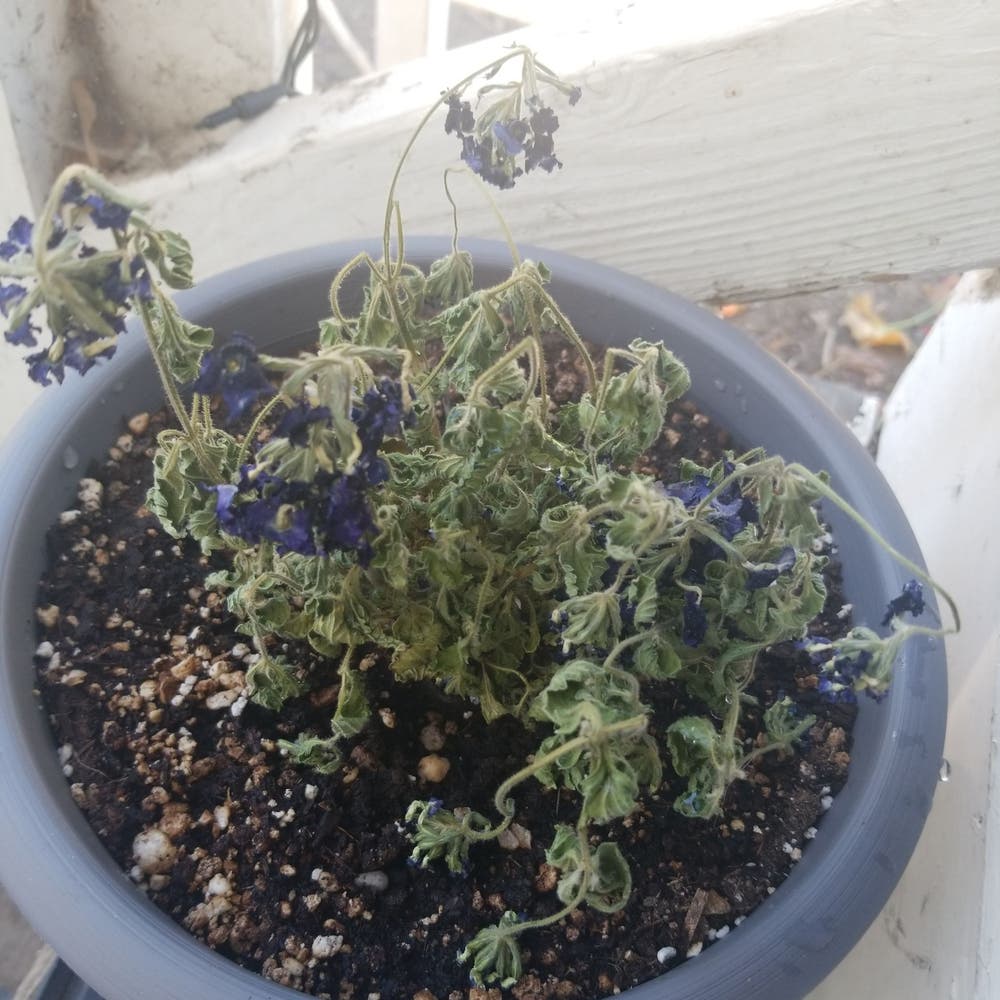
🐄 3 Factors Affecting Cow Weed Flowering
Verbena bonariensis
By the Greg Editorial Team
Oct 15, 2024•4 min read
This article was created with the help of AI so we can cover more plants for you. May contain errors. See one? Report it here.
Transform your Cow Weed into a blooming beauty 🌸 with essential tips on light, nutrients, and pruning techniques! 🌱
- 🌞 Cow Weed needs 6+ hours of sunlight daily for optimal flowering.
- 🌱 Nutrient balance is crucial; phosphorus boosts flower development significantly.
- ✂️ Pruning in early spring enhances growth and flower production effectively.
Light Requirements
Importance of Sunlight for Blooming 🌞
Cow Weed thrives on sunlight, making it essential for optimal flowering. Ideally, these plants need full sun to partial shade, soaking up at least 6 hours of sunlight daily.
Effects of Insufficient Light on Flower Development 🌑
When light is lacking, Cow Weed shows clear signs of distress. You might notice stunted growth, fewer flowers, and elongated stems, all of which can delay or reduce the flowering cycle.
Solutions for Optimizing Light Exposure 💡
To boost light exposure, consider relocating your Cow Weed to sunnier spots if possible. You can also use reflective surfaces to enhance light availability or think about supplemental lighting for indoor or shaded environments.
By ensuring your Cow Weed gets the right amount of sunlight, you set the stage for vibrant blooms and healthy growth. Next, let’s explore the nutritional needs that further support this flowering process.
Nutritional Needs
Essential Nutrients for Flowering 🌸
Cow Weed thrives on a balanced diet of essential nutrients, primarily nitrogen, phosphorus, and potassium (NPK). Among these, phosphorus plays a pivotal role in flower development and bud formation, making it crucial for a vibrant bloom.
Signs of Nutrient Deficiency Affecting Blooms 🚨
Watch for yellowing leaves, which often signal nitrogen deficiency. If you notice poor flower size and quantity, it’s likely due to insufficient phosphorus.
Fertilization Tips to Enhance Flowering 🌱
To keep your Cow Weed flourishing, fertilize every 4-6 weeks during the growing season. Opt for balanced NPK fertilizers or organic options like compost to provide the nutrients they crave.
Understanding these nutritional needs will set the stage for a thriving Cow Weed garden. Next, let’s explore how pruning techniques can further enhance flower production.
Pruning Techniques
🌸 How Pruning Impacts Flower Production
Pruning is a game changer for cow weed. It encourages new growth, which can significantly boost flowering.
Removing dead or damaged foliage redirects energy to healthy blooms. This simple act can lead to a more vibrant display.
✂️ Best Practices for Pruning Cow Weed
To get started, you'll need clean, sharp pruning shears. This ensures a clean cut, reducing the risk of disease.
When pruning, pinch back the tips of stems. This technique promotes bushier growth, leading to more flowers.
⏰ Timing of Pruning for Optimal Flowering
Timing is everything when it comes to pruning. The ideal time to prune cow weed is early spring, just before new growth begins.
This timing helps maximize the plant's flowering potential. By pruning at the right moment, you set the stage for a stunning bloom season.
With these pruning techniques in hand, you’re well on your way to enhancing your cow weed's flowering capabilities. Next, let’s explore common flowering problems and how to tackle them effectively.
Common Flowering Problems
🌸 Failure to Bloom
Cow Weed can sometimes be frustratingly uncooperative when it comes to blooming. Several factors can contribute to this issue.
Potential Causes
- Insufficient light exposure: Without enough sunlight, Cow Weed struggles to produce flowers.
- Nutritional deficiencies: A lack of phosphorus can significantly hinder bloom development.
- Environmental stressors: Extreme temperatures or waterlogged conditions can also disrupt flowering.
Solutions to Encourage Blooming
To get your Cow Weed back on track, start by adjusting light conditions. Ensure your plants receive adequate sunlight and check your fertilization practices to provide the necessary nutrients.
Monitor environmental factors closely, especially drainage. Proper drainage can prevent waterlogging, which is detrimental to flowering.
🌼 Premature Flower Drop
Experiencing premature flower drop can be disheartening. Understanding the causes can help you take corrective action.
Factors Leading to Bud Drop
- Fluctuations in temperature or humidity: Sudden changes can shock the plant.
- Nutrient imbalances: Excess nitrogen can lead to imbalanced growth, causing buds to drop.
Remedies to Prevent Premature Drop
Stabilizing environmental conditions is crucial. Avoid sudden temperature changes to keep your Cow Weed comfortable.
Adjust your fertilization practices as well. Ensuring a balanced nutrient level will help maintain healthy blooms.
🌱 Abnormal Flower Development
Sometimes, flowers don’t develop as expected. Recognizing the signs early can save your plants.
Identifying Abnormal Flower Growth
Look for symptoms like deformed flowers, unusual colors, or stunted blooms. These can indicate underlying issues.
Causes and Solutions for Abnormal Development
Investigate environmental factors such as light, water, and soil conditions.
Ensure your nutrient balance is correct and adjust care practices as needed. A little attention can go a long way in restoring your Cow Weed's flowering potential.
With these insights, you can tackle common flowering problems effectively, ensuring your Cow Weed thrives and blooms beautifully.
⚠️ Safety First
This content is for general information and may contain errors, omissions, or outdated details. It is not medical, veterinary advice, or an endorsement of therapeutic claims.
Always consult a qualified healthcare professional before using any plant as food, medicine, or supplement.
Never eat any plant (or feed one to pets) without confirming its identity with at least two trusted sources.
If you suspect poisoning, call Poison Control (800) 222-1222, the Pet Poison Helpline (800) 213-6680, or your local emergency service immediately.
Spotted an error? Please report it here.
Unlock your Cow Weed's blooming potential 🌼 with Greg's tailored care reminders and nutrient tracking, ensuring your plants thrive with the right light and nutrients!