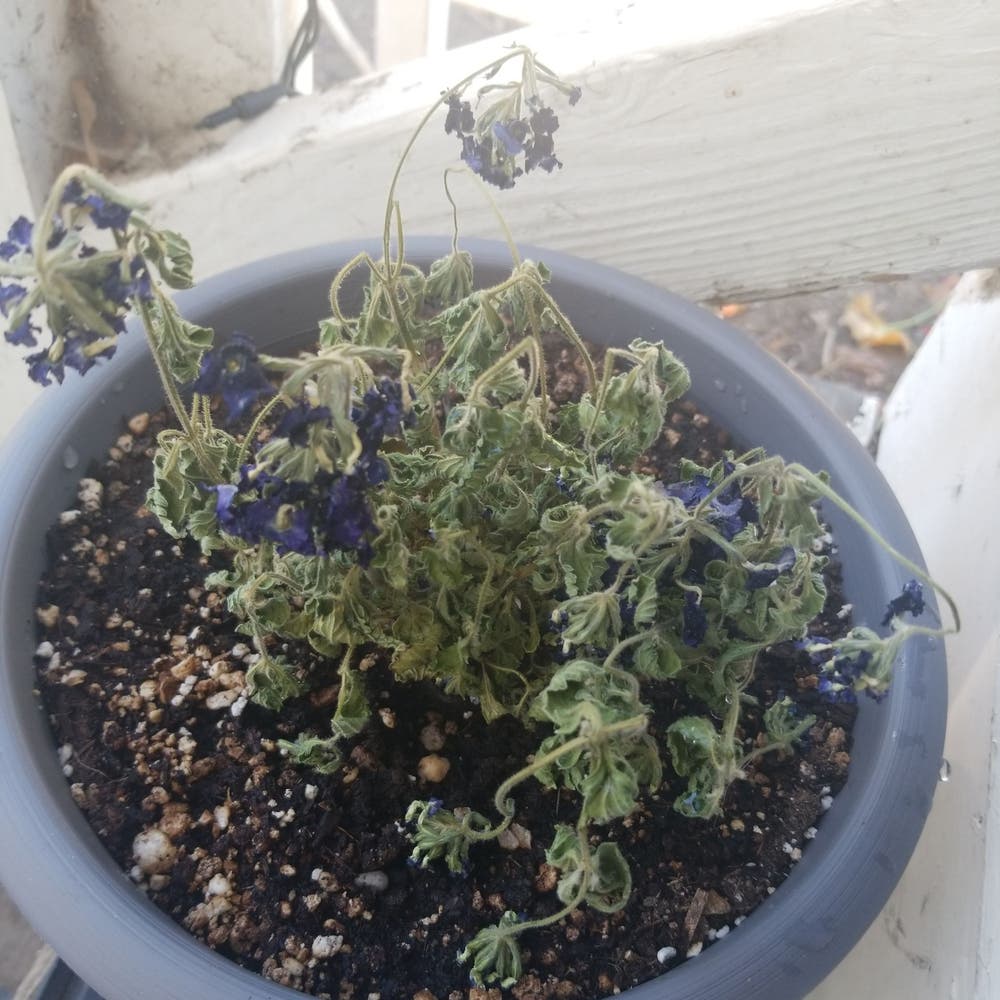
3 Tips for Healing Leaves Falling Over on Your Cow Weed 🩹
Verbena bonariensis
By the Greg Editorial Team
Oct 15, 2024•4 min read
This article was created with the help of AI so we can cover more plants for you. May contain errors. See one? Report it here.
Revitalize your Cow Weed 🌱 with these crucial care tips to ensure its health and vitality!
- 🌞 Cow Weed thrives in partial shade; avoid direct sunlight to prevent leaf burn.
- 🌱 Well-draining soil and consistent watering are vital for healthy Cow Weed growth.
- 🐛 Regularly check for pests and diseases to ensure your Cow Weed stays healthy.
Diagnosing the Problem
🌍 Assessing Environmental Conditions
Understanding your Cow Weed's environment is crucial for its health.
Light Requirements
Cow Weed thrives in partial shade; too much direct sunlight can lead to leaf burn.
Signs of inadequate light include stretching stems and pale leaves, indicating your plant is reaching for more light.
Soil Conditions
A well-draining, moisture-retentive soil is essential for robust growth.
To test soil moisture levels, use a moisture meter or simply stick your finger into the soil to check if it feels dry.
🐛 Identifying Pest Infestations
Pests can wreak havoc on your Cow Weed if not caught early.
Common Pests Affecting Cow Weed
Aphids are a common nuisance, leaving behind sticky residue and causing curled leaves.
Spider mites are another threat; look for fine webbing and stippled surfaces on the leaves.
Inspection Techniques
Regularly check the undersides of leaves and stems for any signs of pests.
Using a magnifying glass can help you spot these tiny invaders more easily.
🦠 Recognizing Signs of Disease
Diseases can also impact your Cow Weed's vitality.
Common Diseases Affecting Cow Weed
Root rot is a serious issue, with symptoms like wilting and mushy roots.
Fungal infections may present as spots or mold on leaves, signaling a need for immediate action.
Prevention Strategies
To prevent diseases, ensure good air circulation around your plants.
Avoid overhead watering to reduce humidity, which can foster fungal growth.
By diagnosing these issues early, you can take proactive steps to restore your Cow Weed's health. Next, we’ll explore effective treatment and recovery strategies to help your plant bounce back.
Treatment and Recovery
Adjusting Watering Practices 🌊
Watering your Cow Weed correctly is crucial for its recovery. Maintain consistent moisture by watering when the top inch of soil feels dry.
Overwatering can lead to yellowing leaves and root rot, so be mindful of your watering habits.
To ensure accurate moisture levels, consider using a moisture meter. This tool helps you water deeply but infrequently, encouraging robust root growth.
Modifying Light Exposure ☀️
Light conditions play a significant role in your plant's health. If you notice leaf burn, try moving your Cow Weed to a spot with filtered sunlight.
Using sheer curtains can also help diffuse harsh sunlight.
Keep an eye on how your plant responds to these changes over a week to gauge effectiveness.
Improving Soil Quality 🌱
Soil quality is another key factor in your Cow Weed's recovery. Incorporate organic matter like compost to enhance drainage and nutrient content.
During the growing season, using a balanced fertilizer can provide the necessary nutrients for healthy growth.
Don’t forget to test your soil's pH levels and nutrient content regularly. This will help you identify any deficiencies and make necessary adjustments.
By focusing on these treatment and recovery strategies, you can help your Cow Weed thrive once again. Next, let’s explore some preventative measures to keep your plant healthy in the long run.
Preventative Measures
Regular Maintenance Tips 🌱
Routine inspections are key to keeping your Cow Weed healthy. Check for pests and diseases weekly to catch any issues early.
Removing dead or yellowing leaves not only tidies up your plant but also promotes healthy growth. A balanced fertilizer should be applied every 4-6 weeks during the growing season to provide essential nutrients.
Seasonal Care Considerations 🌦️
Adjusting care with the changing seasons is crucial for your Cow Weed's well-being. Increase watering during hot months to keep the soil moist, and reduce it in cooler months to prevent overwatering.
In winter, protect your plants from frost by bringing them indoors or covering them. This simple step can make a significant difference in their survival.
Monitoring for Pests and Diseases 🕵️♂️
Implementing a monitoring system can save your Cow Weed from potential infestations. Using sticky traps helps catch flying pests before they become a problem.
Regularly inspect your plants for signs of disease or pest damage. Early detection is your best defense against more significant issues down the line.
By following these preventative measures, you can ensure your Cow Weed remains vibrant and healthy. Next, let’s explore how to treat and recover from any issues that may arise.
⚠️ Safety First
This content is for general information and may contain errors, omissions, or outdated details. It is not medical, veterinary advice, or an endorsement of therapeutic claims.
Always consult a qualified healthcare professional before using any plant as food, medicine, or supplement.
Never eat any plant (or feed one to pets) without confirming its identity with at least two trusted sources.
If you suspect poisoning, call Poison Control (800) 222-1222, the Pet Poison Helpline (800) 213-6680, or your local emergency service immediately.
Spotted an error? Please report it here.
Nurture your Cow Weed to vibrant health 🌿 by using Greg's tailored care tips and reminders to ensure optimal light and moisture levels for thriving leaves!