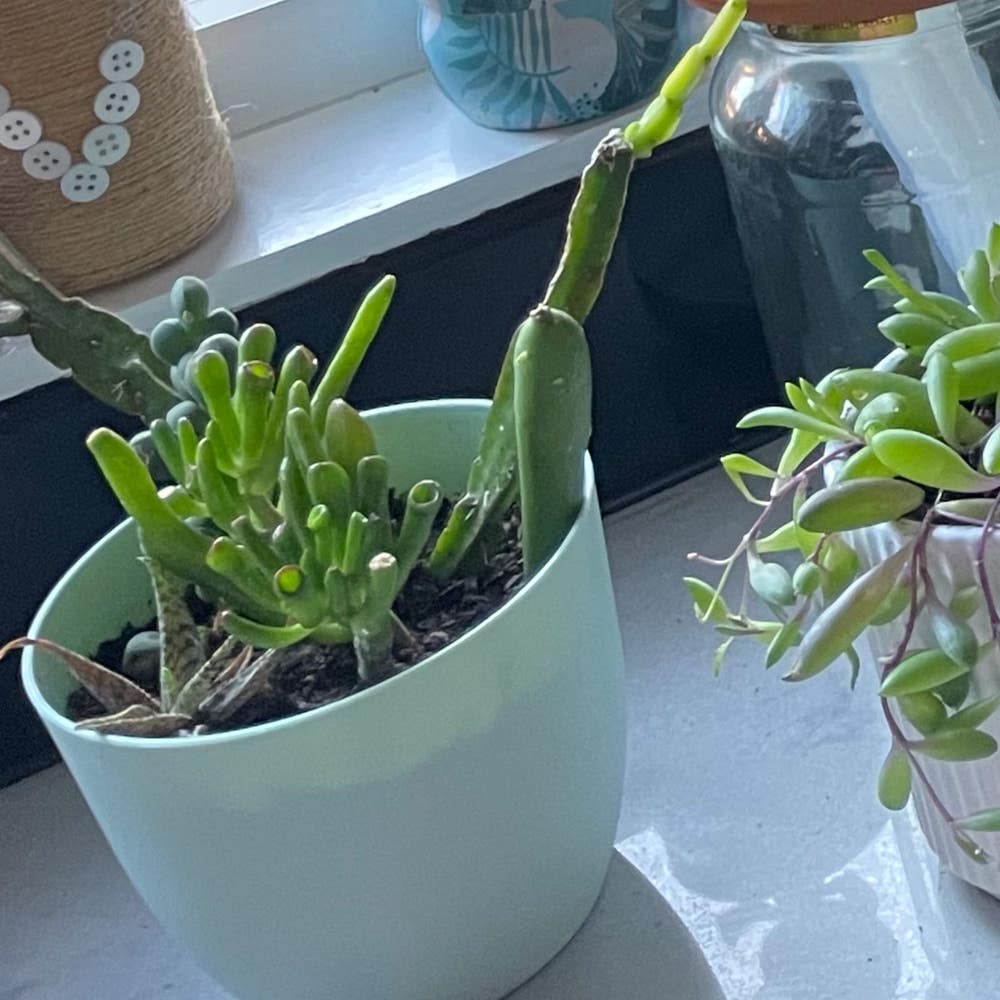
What Temperature Does My Variegated Candle Plant Need?
Baculellum articulatum f. variegatus
By the Greg Editorial Team
Apr 03, 2024•4 min read
This article was created with the help of AI so we can cover more plants for you. May contain errors. See one? Report it here.
- Day 65°F-75°F, Night 60°F-70°F - Ideal temperature range for growth.
- Consistent temps prevent stress, use thermometer and gradual adjustments.
- 🌡️ Watch for wilting or drooping as signs of temperature distress.
Dialing in the Perfect Temperature
🌡️ Day and Night: What's the Ideal Temp?
The Variegated Candle Plant thrives in daytime temperatures of 65°F to 75°F (18°C to 24°C). When night falls, it prefers a slight dip, maintaining a cozy 60°F to 70°F (15°C to 21°C). This temperature range mimics its natural habitat, ensuring your plant doesn't throw a fit.
Consistency is Key
Stability in temperature isn't just nice; it's a must. Fluctuations are like unexpected plot twists for your plant—exciting in a novel, but stressful in the living room. To keep your plant's growth steady and stress-free, avoid placing it near appliances or in the path of drafts.
Tips for Maintaining Consistent Temperatures
- Monitor temperatures with a reliable thermometer; it's your secret weapon against unwanted swings.
- Adjust your plant's position gradually as seasons change; think of it as a gentle nudge rather than a shove.
- Shield your plant from direct sunlight and chilly drafts; it's not looking for a tan or a cold shower.
- Group plants to create a microclimate, buffering your Variegated Candle Plant from the whims of your home's climate.
When Things Heat Up: Recognizing Temperature Stress
🌡️ Telltale Signs Your Plant is Feeling the Heat
Wilting leaves are your Variegated Candle Plant's white flag, signaling surrender to excessive heat. If your plant's growth seems to have slammed on the brakes, or the blossoms are MIA, suspect the mercury in the thermometer. Brown spots on leaves aren't a fashion statement; they're cries for cooler conditions.
🥶 Chilly Vibes: Cold Stress Symptoms
On the flip side, a plant that droops like it's lost all hope could be suffering from the cold. Leaves that turn into crispy, brown relics indicate it's time for a temperature uptick. Slow growth is a silent alarm for cold stress. If your plant's leaves are dropping like it's fall indoors, it's an urgent SOS for warmth.
Troubleshooting Temperature Troubles
🌡️ Common Causes of Temperature Swings
Drafts and direct sunlight are the usual suspects in temperature-related plant distress. Your Variegated Candle Plant might be basking in a sunbeam one moment and shivering near an open window the next. Heating systems can also turn your leafy friend's world into a desert, while air conditioning might plunge it into an unintended winter.
🛠️ Quick Fixes to Get Back on Track
Relocation might be your first move—keep your plant away from the fickleness of weather warfare by windows or vents. Thermostats are your allies in the quest for stability; use them to keep the indoor climate consistent. If your plant's leaves are drooping like a disappointed parent, it's time to act. Introduce heaters or fans gradually to avoid shocking your green companion. Remember, you're not pampering your plant; you're giving it a fighting chance to thrive.
A Quick Word on Humidity
💦 Humidity's Role in Plant Comfort
Humidity isn't just a backdrop for the Variegated Candle Plant; it's a co-star in the temperature drama. This plant thrives when moisture in the air complements the warmth it basks in. Too little humidity, and you might find your plant's leaves looking as crisp as autumn leaves. Too much, and you're setting the stage for a fungal horror show.
🌿 Creating the Ideal Humidity
Grouping plants together can be a clever hack to maintain a mini ecosystem of shared moisture. It's like a plant potluck where everyone brings water vapor to the table. Alternatively, a humidifier can be your go-to gadget to dial in that sweet spot, ensuring your Candle Plant neither dries out nor drowns in dampness.
🌡️ Adjusting Humidity in Your Home
If your home feels like a desert, consider a pebble tray or misting to up the ante on humidity. Conversely, if you're living in a steam bath, crack a window or run a dehumidifier to cut through the mugginess. Remember, your plant's comfort hinges on balance, not extremes.
🌬️ Seasonal Humidity Changes
Be aware of seasonal shifts that can throw your indoor humidity levels out of whack. Vigilance is key; a sudden drop in humidity when the heater kicks in during winter can catch your plants off-guard. Keep an eye out and adjust your care routine to keep your Variegated Candle Plant from throwing a fit.
⚠️ Safety First
This content is for general information and may contain errors, omissions, or outdated details. It is not medical, veterinary advice, or an endorsement of therapeutic claims.
Always consult a qualified healthcare professional before using any plant as food, medicine, or supplement.
Never eat any plant (or feed one to pets) without confirming its identity with at least two trusted sources.
If you suspect poisoning, call Poison Control (800) 222-1222, the Pet Poison Helpline (800) 213-6680, or your local emergency service immediately.
Spotted an error? Please report it here.
Keep your Variegated Candle Plant in peak condition with Greg's adaptive reminders 🌡, ensuring your green buddy is cozy with the right temperature and humidity year-round.