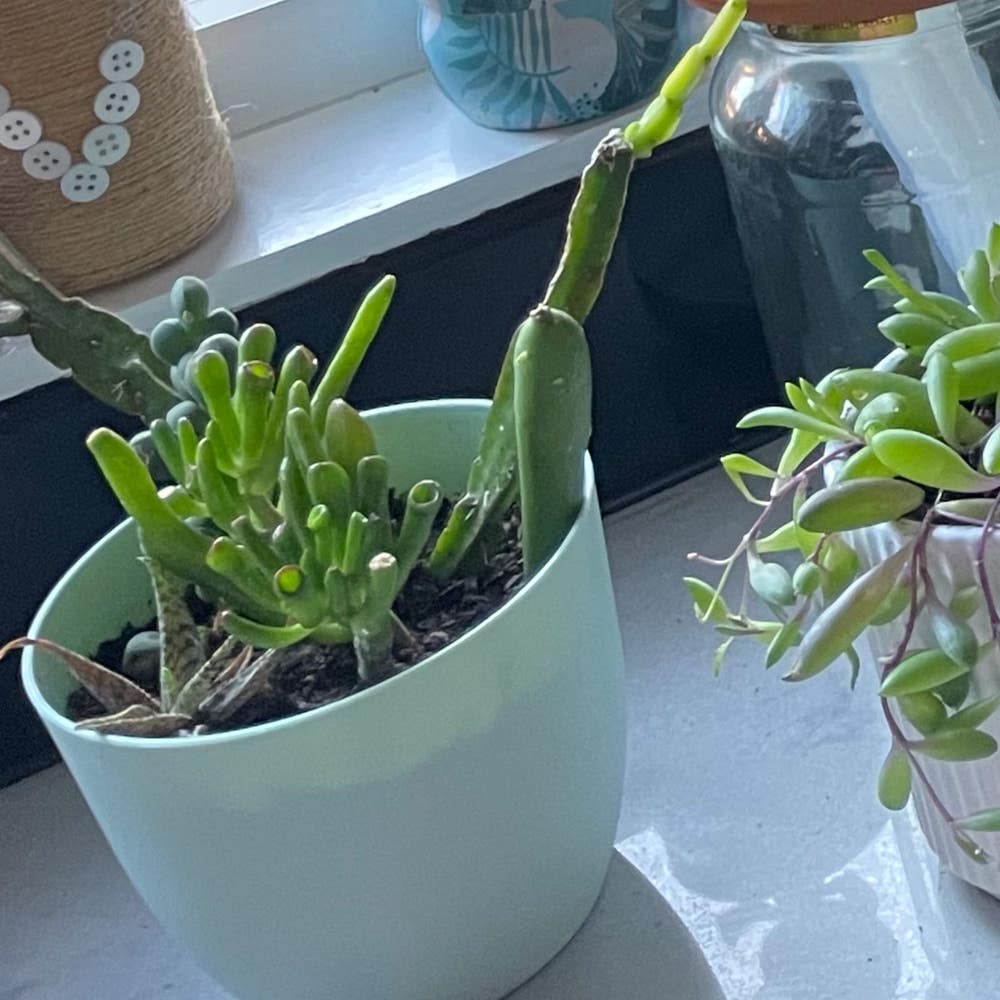
How to Know When to Repot a Variegated Candle Plant?
Baculellum articulatum f. variegatus
By the Greg Editorial Team
Apr 03, 2024•4 min read
This article was created with the help of AI so we can cover more plants for you. May contain errors. See one? Report it here.
- Roots peeking out? Time to repot for more space.
- Stunted growth signals a too-small pot; consider repotting.
- 🌱 Choose the right pot: Terracotta breathes, plastic retains moisture. Avoid glass/metal.
Spot the Clues: When Your Plant is Begging for a New Home
🌱 Root Tango: Spotting roots that dance out of the drainage holes
When roots start escaping from the drainage holes, it's not a quirky habit; it's a distress signal. A root-bound plant is like a genie crammed in a bottle, and it's definitely wishing for more space.
💧 Thirsty Much?: How frequent watering needs can signal the need for more space
If you're watering your plant as often as you check your phone, it's probably not just thirsty—it's root-bound. Overly frequent watering is a tell-tale sign that the roots have taken over, leaving little room for water to hang around.
🌿 Stunted Growth: Understanding how a growth plateau can mean it's time to upgrade
When your plant's growth hits a plateau, it's not slacking off; it's silently begging for a new pot. Stunted growth is a clear indicator that your plant's current home is more of a straitjacket than a cozy retreat.
The Great Move: A Step-by-Step Guide to Repotting
🚪 Eviction Notice: Gently Removing Your Plant from Its Current Pot
It's eviction time, but let's keep it civil. Tilt the pot, and with a touch gentler than a butterfly's wing, encourage your plant to leave its old digs. If the roots cling like a baby koala, a soft squeeze or a tap should do the trick. No yanking allowed—this isn't a game of tug-of-war.
💆♂️ Root Health Checkup: Inspecting and Tending to the Roots Before the Move
Now for the root spa. Lay your plant down and give those roots a gentle massage to untangle any knots. Dead or decaying roots? Snip them off. They're as useful as a chocolate teapot. Healthy ones get a thumbs up—just make sure they're not circling like they're in a track race.
🏡 Home Sweet Home: Placing Your Plant in Its New Pot with the Right Potting Mix
Time to introduce your plant to its new residence. Ensure the pot's got a drainage hole—unless you're aiming for a swamp. A cozy layer of high-quality potting mix goes in first, then center the plant's root ball like it's the star of the show. Fill in the gaps with more mix, but don't compress it—you're not packing a suitcase. Water it just enough to settle in, but hold back on the floodgates.
Choosing the Right Pot: Material Matters
🌱 Breathability and Weight: Pros and Cons of Terracotta and Ceramic
Terracotta is the go-to for breathability, letting roots and soil breathe easy. But it's thirsty work; expect to water more often. They're also heavyweights, so think twice if you plan to shuffle your plant around.
Ceramic pots are the fashionistas of plant containers, offering a stylish look with moderate breathability. They keep moisture longer, which can be a blessing or a curse. Drainage holes are a must to prevent waterlogging. And remember, they can be as heavy as your last Amazon delivery.
💰 Budget-Friendly Options: When Plastic Makes Sense
Plastic pots are the budget ninjas, light on the wallet and the scales. They retain moisture like a sponge, which is great if you're the forgetful type. But beware, they're not great at letting soil breathe, which could lead to a case of root rot if you're not careful.
🚫 No-Gos: Why to Avoid Glass and Metal Pots for Your Variegated Candle Plant
Glass pots may look chic, but they're about as breathable as a sealed jar. And metal pots? They can react with moisture like a bad chemistry experiment, potentially harming your plant. Stick to the classics; your Variegated Candle Plant will thank you for it.
First Aid for Freshly Potted Plants
💧 Watering Wisdom: How to water immediately after repotting
After the hustle of repotting, your Variegated Candle Plant is parched, but don't drown it in enthusiasm. Water thoroughly once, ensuring the soil is moist but not waterlogged. It's a delicate dance between too much and too little. Check the soil before each watering; if the top inch feels dry, it's time for a drink. Room-temperature water is your plant's best friend here—no ice-cold shocks or hot tubs.
🌿 Stress-Free Zone: Creating an ideal environment for recovery
Your plant's been through the wringer, so now it's all about the R&R. Keep it comfy in its usual spot, where the light and temperature are just right. No drastic changes, please; we're not trying to give the plant a culture shock. Snip off any sad-looking leaves to help it focus on the fresh start. And remember, hold off on the fertilizer—this is a recovery room, not a gym. Keep an eye out for signs of distress, like yellow leaves or wilting, and be ready to tweak your care routine. It's not needy; it's just acclimating.
⚠️ Safety First
This content is for general information and may contain errors, omissions, or outdated details. It is not medical, veterinary advice, or an endorsement of therapeutic claims.
Always consult a qualified healthcare professional before using any plant as food, medicine, or supplement.
Never eat any plant (or feed one to pets) without confirming its identity with at least two trusted sources.
If you suspect poisoning, call Poison Control (800) 222-1222, the Pet Poison Helpline (800) 213-6680, or your local emergency service immediately.
Spotted an error? Please report it here.
Ensure your variegated candle plant thrives in its new home by using Greg to schedule the perfect repotting time 📅 and get personalized care tips for a seamless transition.