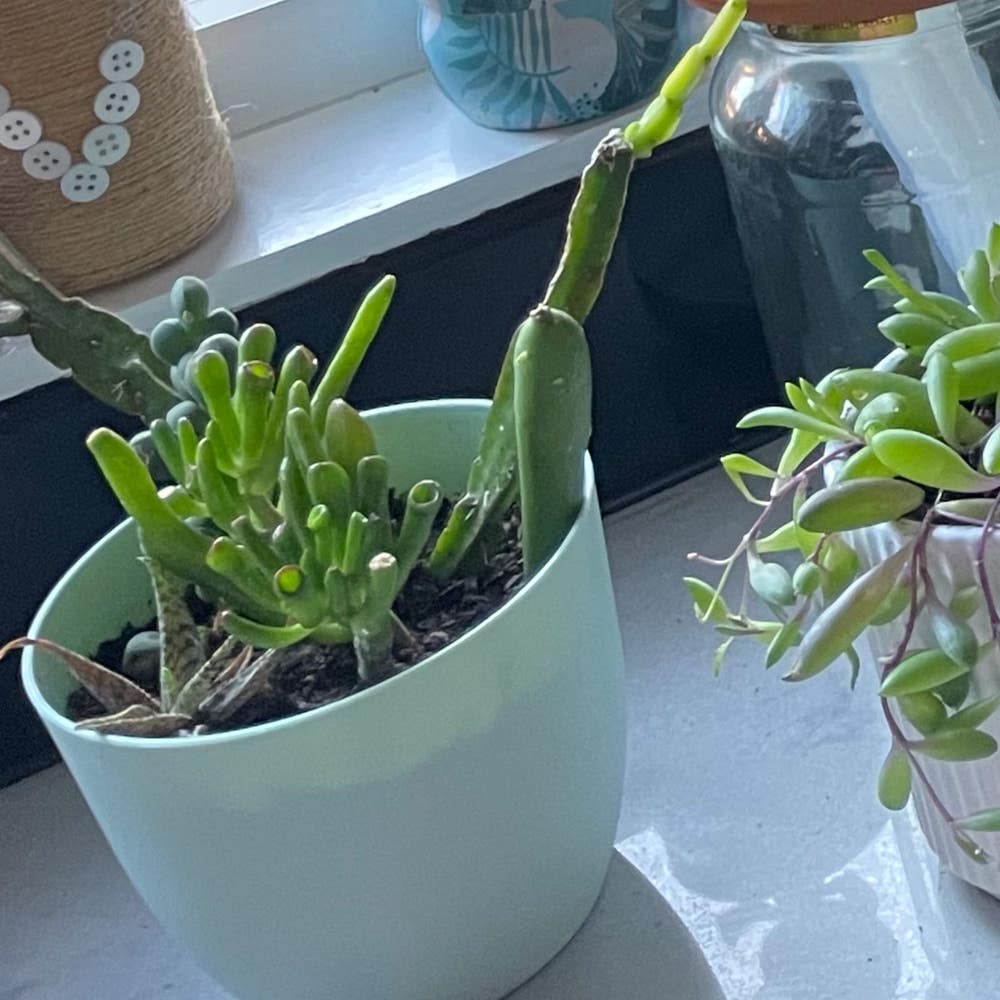
🌞 Is Direct Sunlight Good for My Variegated Candle Plant?
Baculellum articulatum f. variegatus
By the Greg Editorial Team
Apr 03, 2024•3 min read
This article was created with the help of AI so we can cover more plants for you. May contain errors. See one? Report it here.
- Direct vs. indirect light: Variegated Candle Plant prefers dappled sunlight.
- Leaf clues: Discoloration and crispiness signal too much sun.
- Location matters: Adjust window placement by hemisphere for ideal light.
Sunlight Decoded: Direct vs. Indirect for Your Variegated Buddy
☀️ What Exactly is Direct Sunlight?
Direct sunlight is the unfiltered spotlight from the sun, casting sharp shadows like it's high noon in a cowboy duel. It's the sun in its full glory, no clouds or curtains to soften the blow.
🌿 Direct vs. Indirect: A Plant's Perspective
From the Variegated Candle Plant's view, direct sunlight is a full-on tan session. Indirect light, however, is the chill lounge area—bright enough to read a book but without the glare. This plant reads the sun's cues like a pro, thriving in light that mimics its natural, dappled jungle canopy.
Can Your Variegated Candle Plant Soak Up the Sun?
🌿 Native Habitat Clues
The Variegated Candle Plant hails from environments where dappled light reigns supreme. This origin story isn't just a fun fact; it's a crucial hint for understanding the plant's sunbathing habits. Mimicking this natural setting at home means seeking out spots where sunlight is present but softened, perhaps by tree cover or a sheer curtain.
🍃 Leaf Language
Your plant's leaves are like a mood ring, changing to tell you how they feel about the light. Lush green and even variegation mean you've hit the jackpot with lighting. On the flip side, signs like browning or crispy edges scream for less sun. It's a delicate dance of reading and responding to keep your leafy friend from throwing shade about its light situation.
Windows and Hemispheres: The Sunlight Strategy
🌍 Window Wise: Where to Place Your Plant
In the Northern Hemisphere, south-facing windows are the VIP seats for your Variegated Candle Plant, basking in the most consistent light. Conversely, if you're chilling in the Southern Hemisphere, north-facing windows are where your plant will catch the best rays. Remember, the sun's intensity isn't just a summer fling; it's a year-round relationship. Seasonal adjustments are key—nudge your plant closer to the window when winter's chill mutes the sun's warmth, and pull it back when summer turns up the heat.
🌐 Hemisphere Hints
Your spot on the globe isn't just for postcards; it's critical for your plant's sunlight diet. In the Southern Hemisphere, north-facing windows are the go-to for that sun-kissed glow. Flip the script if you're up north; south-facing windows are your plant's best friend. But don't get too comfy—sun angles change with the seasons, so play musical chairs with your plant to keep it thriving without a sunburn.
Sunlight Harmony: Keeping Your Variegated Candle Plant Happy
🌞 The Balancing Act
Finding the sweet spot for sunlight exposure is key to maintaining the vibrant variegation of your Candle Plant. Bright, indirect light is the plant's happy place, where it can flaunt its patterns without the risk of fading or sunburn. Consider the light intensity in your home and adjust the plant's position to avoid the harsh midday sun, which can be too intense, especially during summer months.
🚨 Signs of Too Much Sun
Recognizing a sunburnt plant is crucial to prevent lasting damage. Look for discolored leaves or crispy edges, which are distress signals from your plant. If you notice such signs, it's time to act—move your plant to a shadier spot or use sheer curtains to diffuse the light. Keep in mind that as seasons change, so does the sun's angle, necessitating a possible relocation of your plant to maintain optimal light conditions.
⚠️ Safety First
This content is for general information and may contain errors, omissions, or outdated details. It is not medical, veterinary advice, or an endorsement of therapeutic claims.
Always consult a qualified healthcare professional before using any plant as food, medicine, or supplement.
Never eat any plant (or feed one to pets) without confirming its identity with at least two trusted sources.
If you suspect poisoning, call Poison Control (800) 222-1222, the Pet Poison Helpline (800) 213-6680, or your local emergency service immediately.
Spotted an error? Please report it here.
Ensure your Variegated Candle Plant flourishes with just-right light 🌿 by using Greg to adjust its spot based on the season and your home's unique conditions.