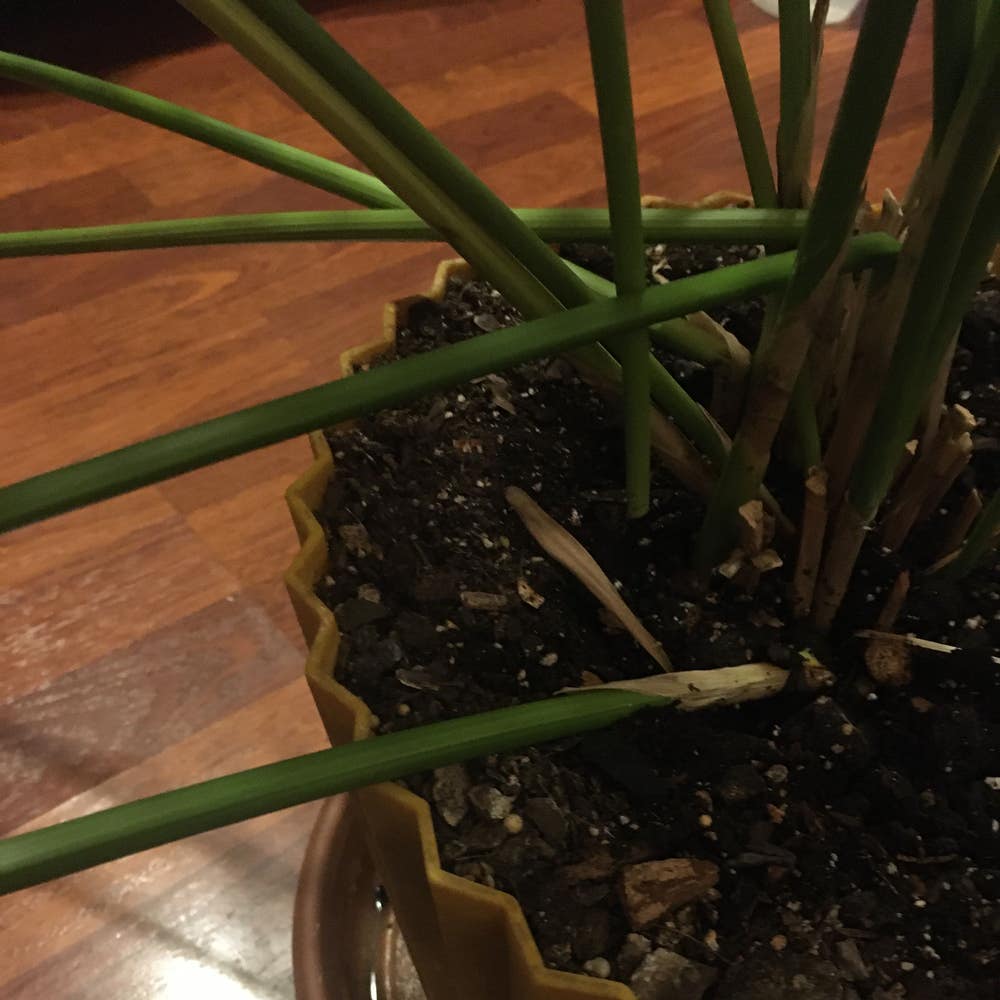
☂️ Best Tips for Healthy Umbrella Papyrus Roots
Cyperus alternifolius
By the Greg Editorial Team
Sep 30, 2024•5 min read
This article was created with the help of AI so we can cover more plants for you. May contain errors. See one? Report it here.
Discover how to nurture robust Umbrella Papyrus roots 🌱 for a thriving, resilient garden that flourishes in any condition!
- 🌱 Umbrella Papyrus roots enhance stability and nutrient absorption for healthy growth.
- 💧 Consistent moisture is crucial; avoid overwatering to prevent root rot.
- 🌿 Healthy roots indicate plant vigor; inspect regularly for early signs of trouble.
Characteristics of Umbrella Papyrus Roots
🌱 Type of Root System
Umbrella Papyrus features a rhizomatous root system, which means it has underground stems that spread horizontally. This unique structure not only provides stability but also enhances nutrient absorption, allowing the plant to thrive in various conditions.
📏 Growth Patterns
🌊 Root Depth
The roots of Umbrella Papyrus can extend several feet deep, depending on water availability and soil conditions. This depth is crucial for accessing moisture, especially in fluctuating environments.
🌍 Root Spread
These plants exhibit extensive lateral growth, which is vital for stability in waterlogged areas. This adaptability helps them anchor securely, preventing uprooting during strong currents or heavy rains.
🌪️ Adaptation to Environmental Stressors
Umbrella Papyrus roots are remarkably resilient. They can withstand drought conditions and resist pest pressures, showcasing their ability to adapt and survive in challenging environments.
Understanding these characteristics is essential for nurturing healthy Umbrella Papyrus plants. With the right care, you can ensure their roots remain robust and thriving, setting the stage for the next section on watering, fertilizing, and transplanting.
Watering, Fertilizing, and Transplanting
💧 Watering Needs
The root system of Umbrella Papyrus plays a crucial role in determining its watering frequency. Maintaining consistent moisture is vital; these plants thrive in wet conditions, but too much water can lead to problems.
Watch for signs of overwatering, such as yellowing leaves and a foul odor from the soil. Conversely, underwatering may cause wilting and stunted growth, so keep an eye on moisture levels.
🌱 Fertilizing Techniques
A well-planned fertilization schedule is essential for healthy Umbrella Papyrus roots. Use slow-release fertilizers that are high in nitrogen to support robust growth.
Aim to fertilize every 4-6 weeks during the growing season. This ensures the plant receives the necessary nutrients for strong root development.
🌍 Transplanting Tips
Transplanting Umbrella Papyrus requires some care, but it’s manageable. The best time to transplant is early spring or late summer when the plant is less stressed.
Preparing the New Planting Site
Before moving your plant, prepare the new site by amending the soil. Incorporate organic matter to create nutrient-rich conditions that will support healthy growth.
Techniques for Minimizing Root Disturbance
When transplanting, be gentle to minimize root disturbance. Carefully dig around the root ball and lift it out, keeping as much soil intact as possible.
Following these watering, fertilizing, and transplanting tips will set your Umbrella Papyrus up for success. With the right care, you’ll enjoy a thriving plant that enhances your garden's beauty.
Next, let’s explore common root-related issues that can affect your Umbrella Papyrus and how to prevent them.
Common Root-Related Issues
🕵️ Identifying Root Rot and Other Diseases
Root rot is a sneaky enemy for Umbrella Papyrus. Look out for yellowing leaves, stunted growth, and a foul odor emanating from the soil—these are telltale signs that your plant might be suffering.
Other diseases can also affect the roots, such as fungal infections that thrive in overly moist conditions. Keeping an eye on your plant's overall health can help you catch these issues early.
🛡️ Prevention Tips
Preventing root-related problems starts with proper drainage. Ensure your pot has adequate holes to avoid waterlogged conditions that can lead to rot.
Regularly inspecting roots during repotting is also crucial. This simple practice can help you identify any early signs of trouble before they escalate.
Indicators of Root Health
👀 Visual Cues of Healthy vs. Unhealthy Roots
Healthy Umbrella Papyrus roots are a sight to behold. They should be firm, with a white or light tan color, showcasing a robust structure that indicates vitality.
In contrast, unhealthy roots present a stark warning. Look for dark, mushy textures or foul-smelling odors, which are clear signs of rot and distress.
🔍 Other Indicators of Root Health
Beyond the roots themselves, overall plant vigor is a crucial indicator. Healthy plants exhibit vibrant leaf color, steady growth rates, and resilience against stressors.
Soil condition also plays a vital role in root health. Proper soil texture and moisture levels are essential for supporting robust root systems, ensuring your Umbrella Papyrus thrives.
Understanding these indicators can empower you to maintain your plant's health effectively. By keeping an eye on both roots and overall plant condition, you can foster a thriving environment for your Umbrella Papyrus.
Next, let’s explore how to propagate and divide this remarkable plant for even more growth opportunities.
Propagation and Division
🌱 Importance of Root Health in Propagation
Healthy roots are crucial for successful propagation of Umbrella Papyrus. They ensure vigorous growth and resilience in new plants, allowing them to thrive in various conditions.
Strong roots absorb nutrients effectively, which is essential for the overall health of the plant. When roots are robust, they can better support new growth and withstand environmental stressors.
✂️ Techniques for Dividing Umbrella Papyrus
🕰️ Best Time for Division
The ideal time to divide Umbrella Papyrus is early spring. This timing allows the plant to recover quickly as it enters its active growth phase.
📋 Steps for Successful Division
Select Healthy Rhizomes: Choose rhizomes that appear firm and healthy. Each division should have roots attached to ensure successful establishment.
Ensure Each Division Has Roots: When cutting, make sure each piece has a sufficient root system. This increases the chances of survival and growth.
🌧️ Post-Division Care
After division, proper care is essential for recovery. Water the newly divided plants thoroughly to help them settle in.
Fertilizing lightly can also promote healthy growth. Use a balanced fertilizer to provide the necessary nutrients as they establish themselves.
With these techniques, you can successfully propagate and divide your Umbrella Papyrus, ensuring a thriving garden. Next, let’s explore common root-related issues that can affect your plants.
⚠️ Safety First
This content is for general information and may contain errors, omissions, or outdated details. It is not medical, veterinary advice, or an endorsement of therapeutic claims.
Always consult a qualified healthcare professional before using any plant as food, medicine, or supplement.
Never eat any plant (or feed one to pets) without confirming its identity with at least two trusted sources.
If you suspect poisoning, call Poison Control (800) 222-1222, the Pet Poison Helpline (800) 213-6680, or your local emergency service immediately.
Spotted an error? Please report it here.
Ensure your Umbrella Papyrus roots are thriving 🌿 by using Greg's tailored watering reminders and fertilization tips for a flourishing plant!