Propagating Umbrella Papyrus: The Ultimate Guide
Cyperus alternifolius
By the Greg Editorial Team
Jun 18, 2024•5 min read
This article was created with the help of AI so we can cover more plants for you. May contain errors. See one? Report it here.
Multiply your Umbrella Papyrus 🌿 effortlessly with this fail-proof propagation guide for a lush indoor jungle!
- Divide when overcrowded or lacking blooms; repot at original depth.
- Harvest seeds carefully, treat with hot water, then soak for germination.
- Cuttings need healthy growth and rooting hormone for best success.
Getting Started with Division
🌱 When to Divide Your Umbrella Papyrus
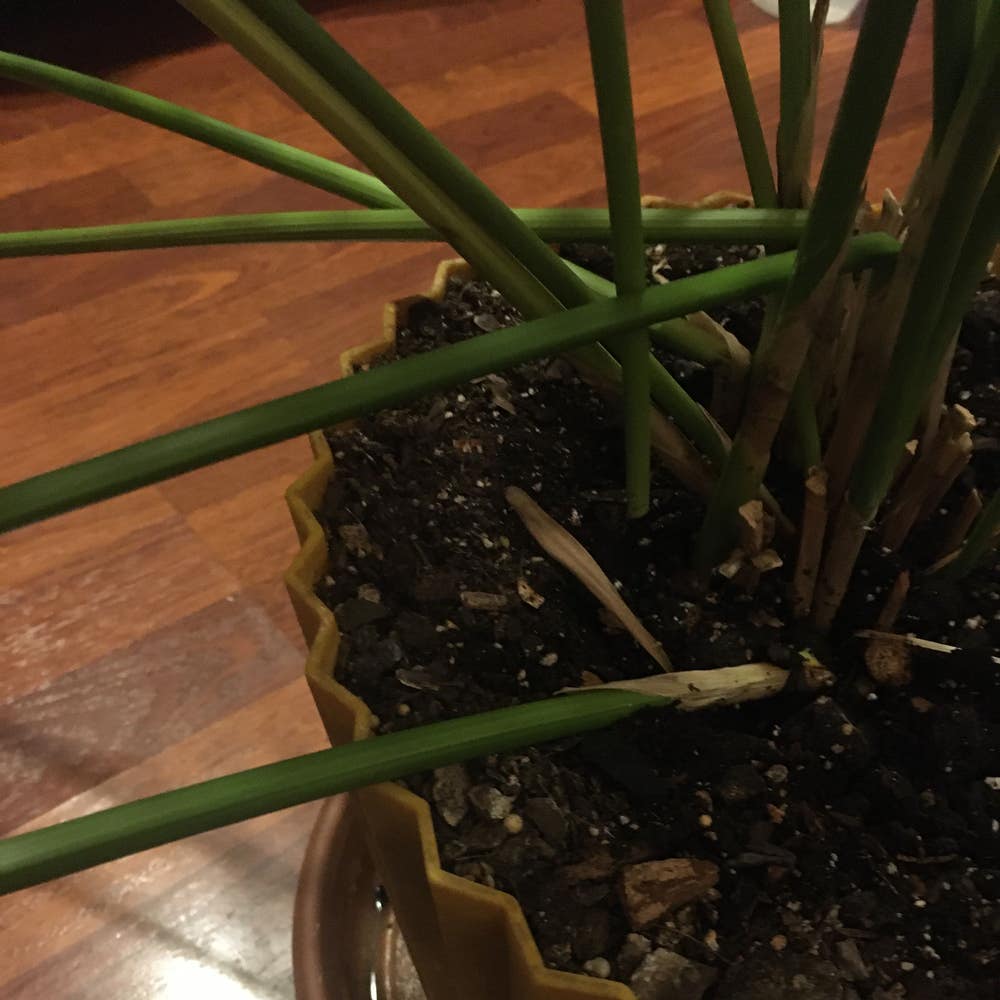
Roots peeking through the drainage holes? Pot looking like it's about to burst? It's division time for your Umbrella Papyrus. Overcrowding is the plant's subtle SOS—watch for pups crowding the base or the mother plant starting to flop. No blooms? Another red flag.
🛠️ The Division Process
Step 1: Prep Work
Water your plant a day before to ease the roots out. Get your tools—sharp, clean knife or spade at the ready.
Step 2: Unearth
Gently coax the plant from its pot. Think of it as a careful invitation, not a forceful eviction.
Step 3: Divide
Identify sections with a healthy fan of leaves and roots. Use your hands or knife to separate these sections. Aim for clean cuts; jagged ones invite trouble.
Step 4: Repot
Plant each division at the same depth as before. New pots should have fresh potting mix, and yes, drainage holes.
Step 5: Water and Light
Water well and place in bright, indirect light. No direct sunbathing yet—think of it as a post-surgery recovery room.
🌱 After the Split
Post-division, your plants are like toddlers—they need constant, gentle care. Keep the soil moist but not soggy. New growth is a thumbs-up sign. Expect your plant to settle in within a few weeks, flaunting new leaves as it gets comfy in its new home.

Sowing the Seeds of Success
🌱 Collecting and Prepping Seeds
Harvesting Umbrella Papyrus seeds requires perfect timing—too early or too late and you've missed the boat. Once you've snagged them at their peak, it's time for a spa treatment: a quick dip in nearly boiling water followed by a 12-24 hour soak in the warm stuff. If they're stubborn and refuse to swell, take a nail file to them—gently. You're aiming for a seedcoat nick, not a full-on incision.
From Seed to Seedling
Creating the ideal germination environment is like setting up a nursery—it's got to be just right. Temperature? Keep it cozy between 68 - 72F. Lighting? These seeds prefer the cover of darkness to sprout. Soil? A trifecta of potting soil, coarse sand, and perlite will do the trick. Sow the seeds on the surface and dust them with a fine layer of soil, like a light frost. Moisture is key; keep it consistent but not waterlogged. Patience is your new best friend here—germination takes about 12-15 days, so don't rush the process. Once they've sprouted, maintain a moist environment and start dreaming of the lush greenery to come.

Cuttings: A Snip in the Right Direction
✂️ Taking the Perfect Cutting
Choose wisely when selecting a stem for cutting. Look for healthy, vibrant growth and ensure it's about 4-6 inches long. Sharp tools are non-negotiable; use them to make a clean cut just below a node. This is where roots are itching to pop out. Sterilize your scissors or pruners beforehand—think surgeon-clean. Strip the lower leaves to prevent rot and leave a few at the top for photosynthesis to do its thing.
🌱 Rooting Your Future Plants
Rooting hormone can be your secret weapon. Dip the cut end into it to turbocharge root development. Plant your cuttings in a well-draining mix, because nobody likes wet feet, least of all plants. Keep the soil moist but not soggy, and provide a warm, well-lit spot. If you're feeling fancy, create a mini greenhouse with a plastic bag or dome to keep humidity on point. Remember, cuttings are like toddlers—they need constant, gentle care. Keep an eye out for rot or dryness, and adjust your watering accordingly.

Post-Propagation: The First Few Weeks
🌱 Ensuring a Strong Start
After you've played your part in the propagation process, vigilance is key. The first few weeks are critical for your new Umbrella Papyrus plants.
💧 Watering Wisdom
Keep the soil consistently moist, akin to a damp cloth. Overwatering is the express lane to root rot, while underwatering is just plain neglect. Check the topsoil; dryness means it's time to water, but think moderation—a sip, not a gulp.
🌞 Light and Location
Place your plants in a spot that's bright but shielded from the midday sun's scorch. Indirect light is your plant's ally, preventing the equivalent of a nasty sunburn.
🕵️ Spotting and Solving Early Issues
New plants can be drama queens, and they'll show it. Yellow leaves or a wilted demeanor are their way of saying, "Help!"
🚨 The Tell-tale Signs
Watch for distress signals like brown spots or sluggish growth. These are your plant's SOS; adjust care as needed.
🕵️♂️ Acting Fast
If you spot signs of pests or disease, like slimy stems or suspicious spots, it's time to channel your inner detective. Remove any affected plants immediately to prevent an outbreak.
🌱 Root Revelations
A few weeks in, a gentle tug on the stem can tell you if the roots are mingling nicely. But don't get overzealous; roots need their space and time, just like us during a good Netflix binge.
Remember, these early days are like the opening act for your plant's lifelong performance. Keep the stage set right, and you'll be rewarded with a thriving Umbrella Papyrus.
⚠️ Safety First
This content is for general information and may contain errors, omissions, or outdated details. It is not medical, veterinary advice, or an endorsement of therapeutic claims.
Always consult a qualified healthcare professional before using any plant as food, medicine, or supplement.
Never eat any plant (or feed one to pets) without confirming its identity with at least two trusted sources.
If you suspect poisoning, call Poison Control (800) 222-1222, the Pet Poison Helpline (800) 213-6680, or your local emergency service immediately.
Spotted an error? Please report it here.
Propagate your Umbrella Papyrus effortlessly 🌱 with Greg's tailored care reminders, ensuring your new plants flourish from division to rooting.