Why Umbrella Palm is Considered Invasive ☂️
Cyperus alternifolius
By the Greg Editorial Team
Nov 25, 2024•8 min read
This article was created with the help of AI so we can cover more plants for you. May contain errors. See one? Report it here.
Protect our ecosystems from the invasive umbrella palm 🌱 and preserve biodiversity with this essential guide! 🌍
- 🌱 Umbrella palm is invasive, harming ecosystems and outcompeting local plants.
- 🚫 Rapid spread through prolific seeds and rhizomes threatens biodiversity and agriculture.
- 🔍 Identifying features include tall, umbrella-like leaves; early detection aids management.
Plant Classification
Definition of Invasive Species and Weeds 🌱
An invasive species is a non-native organism that, when introduced to a new environment, causes harm to the ecosystem, economy, or human health. These species often thrive in their new surroundings, outcompeting local flora and fauna.
Weeds, on the other hand, are plants that grow where they are not wanted, often disrupting agricultural or natural ecosystems. They typically possess traits such as rapid growth, high reproductive rates, and resilience, making them difficult to control.
Criteria for Classifying as Invasive 🚫
Invasive species are characterized by their rapid spread. They can quickly colonize new areas, often overwhelming native plants and altering the landscape.
Their competitive nature allows them to outcompete local species for essential resources like sunlight, water, and nutrients. This aggressive behavior can lead to significant ecological impacts, diminishing biodiversity and disrupting local ecosystems.
Understanding these criteria is crucial for recognizing the potential threats posed by species like the umbrella palm. By identifying their invasive traits, we can better manage and mitigate their spread.
Identification
Key Identifying Features 🌿
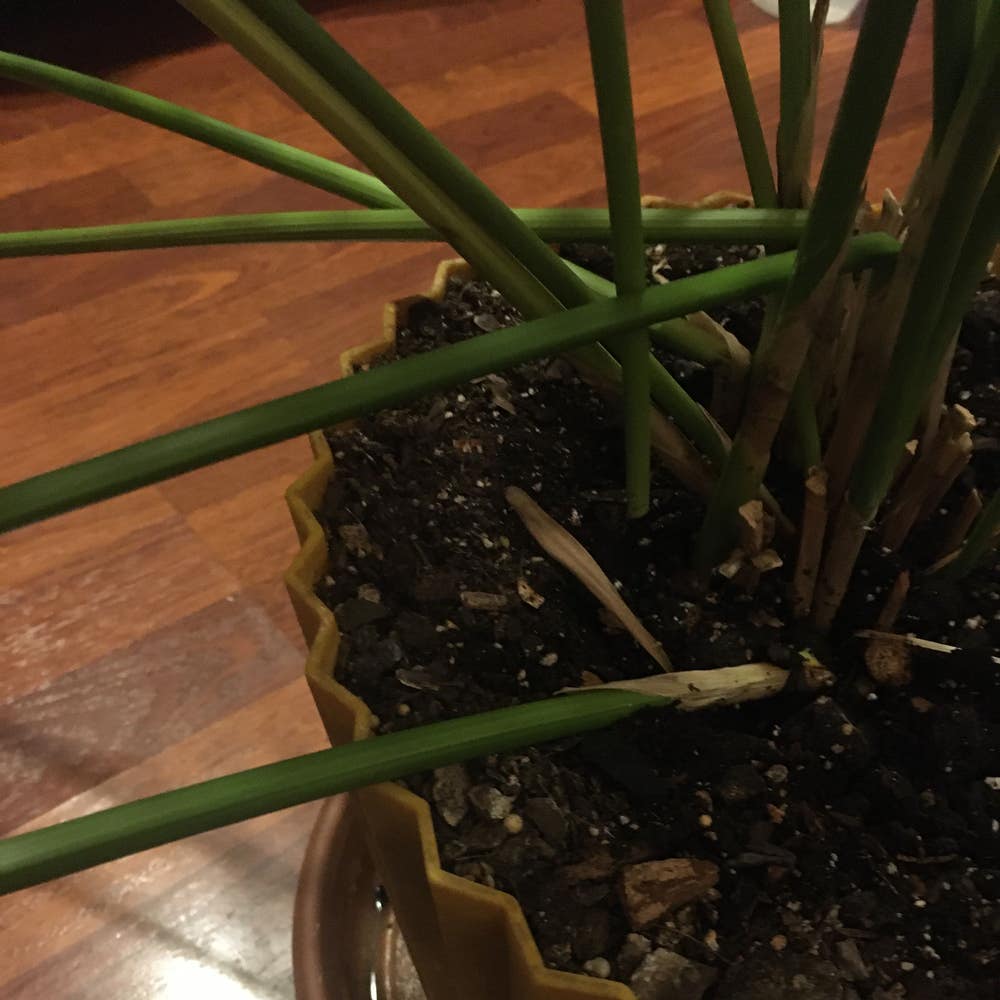
The umbrella palm, known for its striking appearance, features tall, umbrella-like leaves that can reach heights of up to 5 feet. Its stem is sturdy, with a unique arrangement of leaves that radiate from the top, creating a distinctive canopy.
Seasonal variations can affect its appearance, with growth patterns shifting based on environmental conditions. During the growing season, the leaves are lush and vibrant, while in colder months, they may become less pronounced.
Look-Alike Plants and Distinguishing Characteristics 👀
Several similar species exist, particularly within the Cyperus genus, which can complicate identification. However, key differences can help you distinguish the umbrella palm from its look-alikes.
For instance, while other Cyperus species may have similar leaf structures, they often lack the same height and umbrella-like formation. Observing the stem's thickness and the overall growth habit can also provide clues to correctly identify this invasive species.
Understanding these characteristics is crucial for effective management and control efforts. By recognizing the umbrella palm, you can take proactive steps to mitigate its spread in your local ecosystem.
As we delve deeper into the growth habits and spread of the umbrella palm, we’ll explore how its reproductive strategies contribute to its invasive nature.
Growth Habits and Spread
🌱 Typical Growth Patterns
Umbrella palms thrive in various environments, particularly in wetlands and along water bodies. Their growth habits are characterized by a robust structure that allows them to flourish in moist conditions.
These plants exhibit a rapid growth rate, often reaching their full height during the warm months. Seasonal growth cycles see them flourish in spring and summer, while they may die back in colder months, only to return vigorously when conditions improve.
🌾 Reproductive Strategies and Methods of Spread
Umbrella palms are prolific producers of seeds, generating a significant quantity that can remain viable for extended periods. This high seed production enhances their ability to colonize new areas quickly.
In addition to seeds, they spread through vegetative propagation. Their rhizomes and tubers allow them to establish new plants nearby, creating dense clusters that can outcompete native flora.
☀️ Environmental Conditions that Favor Growth
Ideal growth conditions for umbrella palms include nutrient-rich, moist soil and ample sunlight. They prefer areas with consistent moisture, which supports their aggressive growth patterns.
These environmental factors contribute to their invasive nature, as they can easily outcompete native plants for resources. The combination of rapid growth and effective reproductive strategies makes managing their spread a significant challenge.
As we delve deeper into the ecological impact of umbrella palms, it's essential to understand how their growth habits affect local ecosystems and biodiversity.
Ecological Impact
Effects on Native Plant Communities 🌱
Umbrella palm aggressively outcompetes native flora, often dominating landscapes where it establishes. This competition leads to a significant decline in plant diversity, disrupting the balance of local ecosystems and diminishing overall ecosystem health.
Impact on Wildlife and Biodiversity 🦋
The presence of umbrella palm alters habitats for local fauna, changing food sources and nesting sites. This shift can negatively affect pollinators and other wildlife, leading to a ripple effect throughout the food web.
Influence on Soil and Water Resources 💧
Umbrella palm changes soil composition, impacting nutrient availability and altering water flow patterns. These changes can degrade water quality and reduce availability for other species, further stressing the ecosystem.
The ecological consequences of umbrella palm's invasion are profound, emphasizing the need for awareness and action. Understanding these impacts is crucial as we move forward to explore control and management strategies.
Economic or Agricultural Impact
💸 Economic Losses Associated with Spread
The spread of the umbrella palm can lead to significant economic losses. Management and control efforts can be costly, draining resources from local governments and landowners alike.
Property values in affected areas often take a hit as the invasive species alters landscapes and ecosystems. Homeowners may find their investments diminished due to the presence of this aggressive plant.
🌾 Agricultural Issues Caused by Its Spread
In agricultural settings, the umbrella palm poses serious challenges. It competes fiercely with crops, reducing land usability and threatening food production.
Farmers may experience yield reductions as the invasive plant outcompetes their crops for essential resources. This competition can lead to decreased profits and increased management costs, creating a ripple effect throughout the agricultural community.
The economic implications of the umbrella palm's spread are profound, impacting both local economies and agricultural productivity. Understanding these challenges is crucial for effective management and control strategies.
As we delve deeper into the control and management of this invasive species, we will explore practical solutions to mitigate its impact.
Control and Management
🌱 Manual Removal Techniques and Best Practices
To effectively manage umbrella palm infestations, early identification is crucial. Spotting small infestations allows for timely removal before they spread.
Effective hand-pulling is a key technique. Ensure you dig out the roots completely to prevent regrowth. Timing is also essential; removing the plants during their active growth phase increases success rates.
🧪 Chemical Control Options and Safety Considerations
Herbicides can be effective against umbrella palm, but choosing the right one is vital. Look for products specifically labeled for use against invasive species.
Safety precautions are paramount when using chemicals. Always follow the manufacturer's instructions and consider the potential impact on surrounding flora and fauna.
🦠 Biological Control Methods and Their Effectiveness
Biological control agents, such as specific insects or pathogens, may offer a solution for managing umbrella palm. Research is ongoing to identify effective agents that won't disrupt local ecosystems.
Evaluating the effectiveness and ecological safety of these methods is essential. While promising, biological control must be approached cautiously to avoid unintended consequences.
🚫 Preventive Measures to Limit Spread
Preventing the introduction and spread of umbrella palm is key to management. Strategies include educating the public about the risks and promoting the use of native plants in landscaping.
Maintaining healthy native plant communities is also crucial. A robust ecosystem can better resist invasions and support local wildlife.
🔍 Importance of Early Detection and Rapid Response
Monitoring for new infestations is vital for effective management. Quick action can significantly reduce the spread of umbrella palm.
Utilizing tools and resources for effective monitoring can empower landowners and communities. Early detection not only protects local ecosystems but also saves time and resources in the long run.
By implementing these control and management strategies, we can mitigate the impact of umbrella palm and protect our native environments. The next section will delve into the legal status surrounding its management and control.
Legal Status
Overview of Laws and Regulations 🌍
The management of the umbrella palm is governed by a patchwork of local, state, and federal regulations. These laws aim to curb its spread and mitigate its ecological impact, often designating it as a noxious weed.
Restrictions on the sale and transport of umbrella palm vary by region. Some areas may outright ban its sale, while others may require permits for transportation, reflecting the urgency of controlling its proliferation.
Requirements for Removal or Control in Specific Regions ⚖️
Landowners and land managers must adhere to specific guidelines for the removal and control of umbrella palm. These regulations often include best practices for eradication and the timing of removal efforts to maximize effectiveness.
Reporting infestations to local authorities is crucial. This not only helps in managing existing populations but also aids in preventing new outbreaks, ensuring that communities can work together to combat this invasive species.
As we explore the potential benefits or uses of the umbrella palm, it’s essential to remember that understanding its legal status is just one piece of the puzzle in managing its impact on our ecosystems.
Potential Benefits or Uses
🌿 Historical Uses
Umbrella palms have been traditionally used in landscaping due to their striking appearance. Their tall, umbrella-like leaves create a tropical aesthetic, making them popular choices for ornamental gardens and water features.
🏡 Current Beneficial Uses, If Any
Today, some still appreciate umbrella palms for their unique look in decorative settings. However, their practical uses are limited, primarily due to their invasive nature.
⚠️ Emphasis on Negative Impacts Outweighing Benefits
Despite their ornamental appeal, the ecological and economic drawbacks of umbrella palms far outweigh any benefits. Their aggressive growth and ability to outcompete native species lead to significant biodiversity loss, making their presence more harmful than helpful.
In conclusion, while umbrella palms may have historical and limited current uses, their invasive characteristics render them a problematic choice for any landscape.
⚠️ Safety First
This content is for general information and may contain errors, omissions, or outdated details. It is not medical, veterinary advice, or an endorsement of therapeutic claims.
Always consult a qualified healthcare professional before using any plant as food, medicine, or supplement.
Never eat any plant (or feed one to pets) without confirming its identity with at least two trusted sources.
If you suspect poisoning, call Poison Control (800) 222-1222, the Pet Poison Helpline (800) 213-6680, or your local emergency service immediately.
Spotted an error? Please report it here.
Protect your local ecosystems from the invasive umbrella palm 🌿 by using Greg's plant identification to swiftly spot and manage these plants, ensuring a thriving biodiversity!