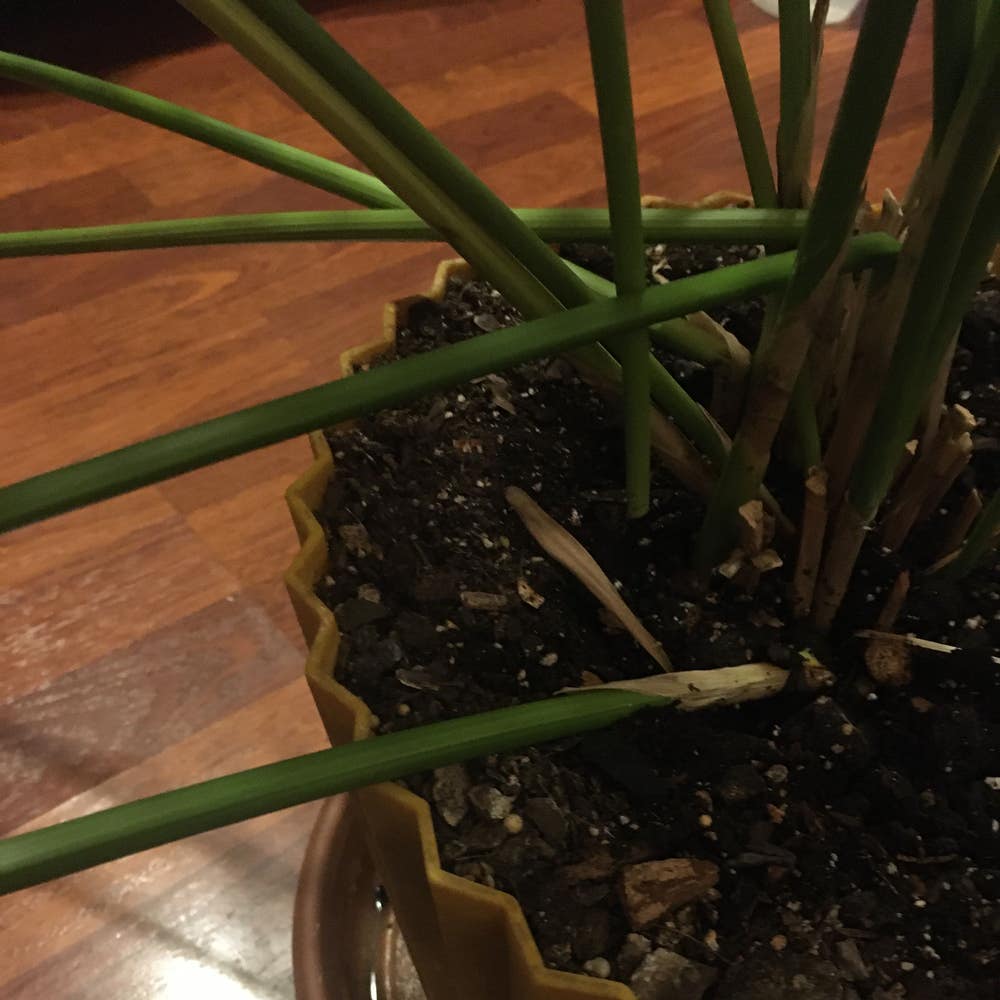
Ultimate Guide to Fixing Droopy Leaves on Umbrella Palm 💧
Cyperus alternifolius
By the Greg Editorial Team
Nov 25, 2024•7 min read
This article was created with the help of AI so we can cover more plants for you. May contain errors. See one? Report it here.
Transform your droopy umbrella palm 🌴 into a thriving beauty with these essential care tips for vibrant growth!
- 💧 Overwatering and underwatering both cause droopy leaves; adjust watering accordingly.
- 🌞 Insufficient light leads to drooping; provide indirect light for optimal growth.
- 🌬️ Humidity levels between 50-70% are crucial for healthy umbrella palms.
Causes of Droopy Leaves
💧 Overwatering and Root Rot
Overwatering is a common culprit behind droopy leaves on your umbrella palm. Symptoms include yellowing leaves, mushy roots, and a foul smell emanating from the soil.
Root rot occurs when excess moisture fosters fungal growth, leading to root decay. This condition can severely impact your plant's health, making it crucial to monitor your watering habits.
🌵 Underwatering and Drought Stress
On the flip side, underwatering can also cause droopy leaves. Signs of this issue include crispy leaf edges, wilting, and dry soil.
When a plant experiences drought stress, it conserves moisture, resulting in drooping leaves. It's essential to find a balance in your watering routine to keep your umbrella palm thriving.
🌫️ Low Humidity Levels
Humidity plays a vital role in the health of your umbrella palm. The ideal humidity range for optimal growth is between 50-70%.
When humidity levels drop below this range, you may notice leaf curling and drooping due to moisture loss. Keeping an eye on humidity can help prevent these issues.
💡 Inadequate Light Conditions
Light conditions are another critical factor affecting your plant's well-being. Umbrella palms prefer indirect light but can tolerate low light; however, insufficient light can lead to drooping leaves.
Signs of inadequate light include stretched stems and droopy leaves. Ensuring your plant receives the right amount of light is essential for its overall health.
🐜 Pest Infestations
Pest infestations can wreak havoc on your umbrella palm, leading to droopy leaves. Common pests include spider mites, mealybugs, and scale insects.
Symptoms of pest damage often manifest as yellowing leaves, webbing, and sticky residue on the plant. Regular inspections can help you catch these pests early and protect your plant from further damage.
Understanding these causes is the first step in addressing droopy leaves on your umbrella palm. Next, we’ll explore how to diagnose the specific issues affecting your plant.
Diagnosing Droopy Leaves
💧 Signs of Overwatering vs. Underwatering
To diagnose droopy leaves, start by checking the soil moisture. Overwatering often results in soggy soil and symptoms of root rot, such as a foul smell and mushy roots.
In contrast, underwatering manifests as dry soil and crispy leaf edges. Recognizing these signs early can help you take corrective action before further damage occurs.
🌪️ Identifying Environmental Stress Factors
Environmental conditions play a crucial role in your umbrella palm's health. Use a hygrometer to assess humidity levels; ideally, they should be between 50-70%.
Temperature is another factor to monitor. The ideal range for your plant is between 65°F to 80°F (18°C to 27°C). Fluctuations outside this range can lead to stress, causing leaves to droop.
🐛 Recognizing Pest Damage
Pests can wreak havoc on your umbrella palm, so a visual inspection is essential. Check the undersides of leaves and stems for common pests like spider mites and mealybugs.
Look for signs of damage, such as yellowing leaves, webbing, or sticky residue. Early detection is key to preventing a full-blown infestation.
☀️ Assessing Light Exposure
Light conditions are vital for your plant's well-being. Evaluate whether your umbrella palm is receiving adequate indirect light; too little can lead to drooping leaves.
If you find that the light is insufficient, consider adjusting the plant's placement. Moving it to a brighter location can help restore its vitality and perk up those droopy leaves.
By diagnosing these issues effectively, you can take the necessary steps to revive your umbrella palm. Next, let's explore solutions for reviving those droopy leaves and restoring your plant's health.
Solutions for Reviving Droopy Leaves
🌊 Adjusting Watering Practices
To revive droopy leaves, start by adjusting your watering practices. Water your umbrella palm when the top inch of soil feels dry to the touch.
You can check moisture levels easily by using your finger or a moisture meter. This simple technique helps prevent both overwatering and underwatering, ensuring your plant gets just the right amount of hydration.
💧 Increasing Humidity Levels
Next, focus on increasing humidity levels around your plant. Umbrella palms thrive in humidity levels between 50-70%, so consider using a humidifier, pebble trays, or misting to boost moisture.
Regularly check and adjust humidity as needed to maintain a comfortable environment for your palm. This will help prevent further drooping and promote healthy growth.
☀️ Optimizing Light Conditions
Light conditions play a crucial role in your plant's health. Place your umbrella palm near a window where it can receive filtered light, as this is ideal for its growth.
Additionally, rotating the plant every few weeks ensures that all sides receive even light exposure. This simple adjustment can help prevent droopy leaves caused by inadequate lighting.
🐞 Treating Pests Effectively
Pest infestations can also lead to droopy leaves, so it's essential to monitor your plant regularly. Use pest control methods like neem oil, insecticidal soap, or introduce beneficial insects to combat common pests.
Make it a habit to check your plants weekly for signs of pests. Early detection is key to keeping your umbrella palm healthy and vibrant.
🌱 Fertilizing for Recovery
Lastly, consider fertilizing your umbrella palm to aid in its recovery. A balanced liquid fertilizer during the growing season can provide the necessary nutrients for revitalization.
Apply fertilizer every 4-6 weeks, following the package instructions for best results. This will support your plant's overall health and encourage new growth.
By implementing these solutions, you can effectively revive your droopy umbrella palm and ensure it thrives in your care. Next, let’s explore how to prevent future droopy leaves and maintain your plant’s health long-term.
Preventing Future Droopy Leaves
🌱 Establishing a Consistent Care Routine
Creating a consistent care routine is essential for keeping your umbrella palm healthy. Regular watering, fertilizing, and monitoring will help prevent droopy leaves and ensure your plant thrives.
Using tools like the Greg plant care app can simplify this process. Set reminders for watering and fertilizing to maintain a steady care schedule.
🌡️ Monitoring Environmental Conditions
Regularly checking environmental conditions is crucial for your plant's well-being. Assess humidity, temperature, and light exposure to ensure they meet your umbrella palm's needs.
Be proactive about making adjustments based on seasonal changes. For instance, increase humidity levels during the winter months when indoor air tends to be drier.
🐛 Regularly Checking for Pests
Pest infestations can sneak up on you, so it's vital to inspect your plant monthly. Early detection is key to preventing significant damage.
To minimize the risk of introducing pests, quarantine any new plants before adding them to your collection. This simple step can save your existing plants from potential infestations.
🍂 Seasonal Care Adjustments
Adjusting your care routine based on growth cycles is essential for optimal health. During the growing season, provide more water and nutrients to support vigorous growth.
As your umbrella palm prepares for dormancy in the fall and winter, reduce watering and fertilizing. This adjustment helps your plant conserve energy and stay healthy through seasonal changes.
By implementing these preventive measures, you can keep your umbrella palm vibrant and free from droopy leaves. Next, let’s explore a step-by-step recovery guide for those times when your plant needs a little extra care.
Step-by-Step Recovery Guide
🌱 Immediate Actions for Droopy Leaves
When you notice droopy leaves on your Umbrella Palm, the first step is to assess the watering situation. Determine whether overwatering or underwatering is the culprit.
Next, adjust your watering practices accordingly. If the soil is soggy, allow it to dry out; if it's dry, give your plant a good drink.
Finally, increase humidity levels around your plant. You can do this by misting the leaves, using a humidifier, or placing a pebble tray filled with water nearby.
🛠️ Long-Term Care Strategies
To ensure your Umbrella Palm thrives, establish a consistent watering and fertilizing schedule. Regular care will help prevent future droopiness.
Monitor light exposure and adjust the plant's placement as necessary. If your palm isn't getting enough indirect light, moving it closer to a window can make a significant difference.
Additionally, regularly check for pests and environmental stress factors. Keeping an eye on your plant's health can help you catch issues before they escalate.
📈 Monitoring Progress and Signs of Recovery
As you implement these changes, observe your plant's leaf health closely. Look for signs of perkiness and new growth, which indicate recovery.
Document any changes you notice in a journal. Keeping track of your care practices and the plant's responses can provide valuable insights for future reference.
Lastly, be flexible and responsive to your plant's needs. Adjust your care as necessary to ensure your Umbrella Palm remains healthy and vibrant.
With these steps, you'll be well on your way to reviving your droopy leaves and enjoying a thriving Umbrella Palm.
⚠️ Safety First
This content is for general information and may contain errors, omissions, or outdated details. It is not medical, veterinary advice, or an endorsement of therapeutic claims.
Always consult a qualified healthcare professional before using any plant as food, medicine, or supplement.
Never eat any plant (or feed one to pets) without confirming its identity with at least two trusted sources.
If you suspect poisoning, call Poison Control (800) 222-1222, the Pet Poison Helpline (800) 213-6680, or your local emergency service immediately.
Spotted an error? Please report it here.
Revive your umbrella palm's perky 🌱 leaves by mastering its care needs, and let Greg guide you with tailored watering reminders and humidity tracking for thriving growth!