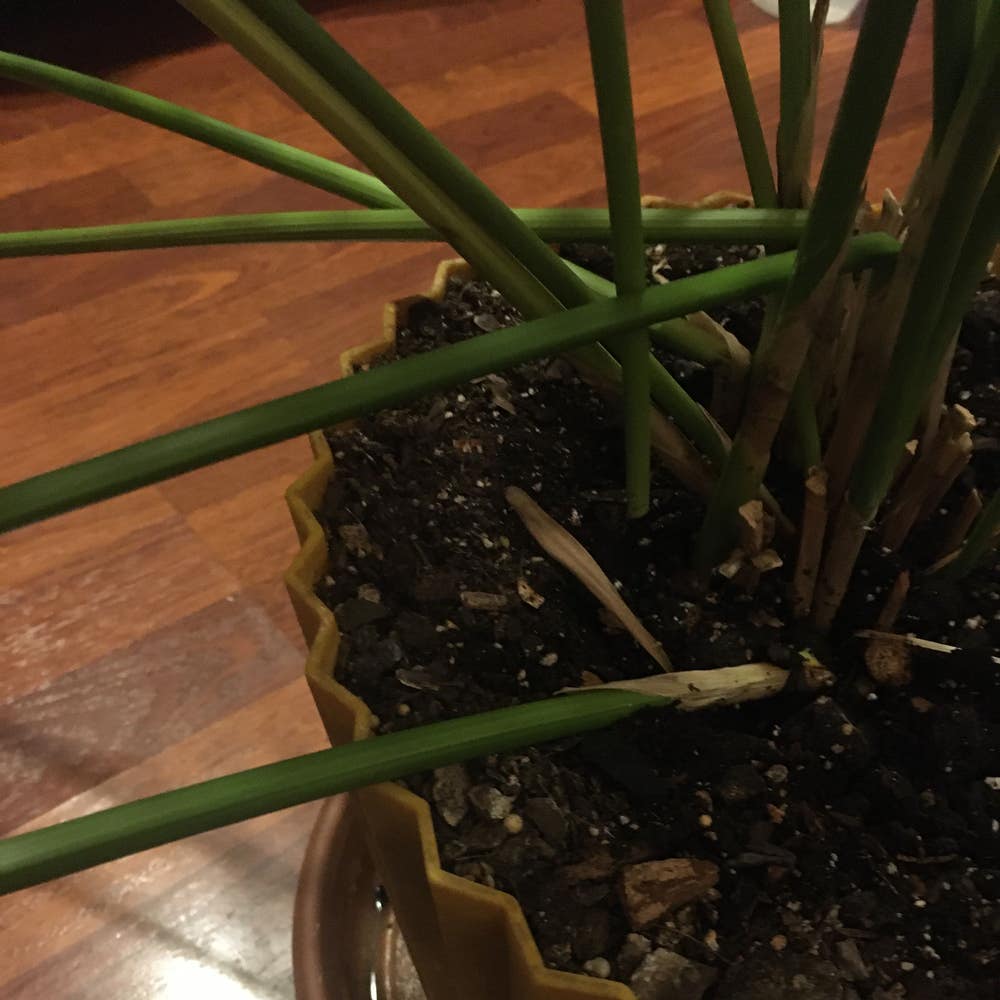
☂️ What to Do About Dropping Leaves on Your Umbrella Palm
Cyperus alternifolius
By the Greg Editorial Team
Nov 25, 2024•7 min read
This article was created with the help of AI so we can cover more plants for you. May contain errors. See one? Report it here.
Keep your umbrella palm lush and vibrant 🌱 by mastering the secrets to preventing leaf drop and ensuring its health!
- 💧 Overwatering and underwatering both cause leaf drop; check soil moisture regularly.
- 🌡️ Maintain 65°F to 80°F temperature and 50%-70% humidity for optimal health.
- 🐛 Inspect for pests like spider mites; they can significantly contribute to leaf drop.
Causes of Leaf Drop
💧 Overwatering and Its Effects
Overwatering is a common issue that can lead to significant leaf drop in your umbrella palm. Symptoms include yellowing leaves, mushy roots, and, ultimately, leaf drop.
The impact of overwatering is severe, often resulting in root rot and a reduced oxygen supply to the roots. To combat this, allow the soil to dry out before rewatering and ensure that drainage holes are clear.
🚰 Underwatering and Its Effects
Conversely, underwatering can also cause your umbrella palm to shed leaves. Look for signs like brown leaf tips, wilting, and leaf drop.
This stress on the plant can lead to reduced growth and even death if not addressed. Water thoroughly when the top inch of soil is dry, and keep a close eye on moisture levels.
🌡️ Environmental Stress Factors
Temperature
Maintaining the right temperature is crucial for your umbrella palm's health. The ideal range is between 65°F to 80°F (18°C to 27°C).
Fluctuations outside this range can cause stress, leading to leaf drop. Protect your plant from extreme heat or cold to keep it thriving.
💧 Humidity
Humidity plays a vital role in the well-being of your umbrella palm. Aim for humidity levels between 50% to 70%.
Low humidity can lead to leaf curling, browning, and eventual drop. To maintain humidity, consider using a humidifier or placing pebble trays filled with water near your plant.
🐛 Pest Infestations
Common Pests
Pests can wreak havoc on your umbrella palm, causing leaf drop and other issues. Common culprits include spider mites, which leave webbing and stippled leaves, and mealybugs, identifiable by their cotton-like clusters on leaves and stems.
Regularly inspect your plants for these pests. If you spot any, treat them promptly with insecticidal soap or neem oil.
🌱 Nutrient Deficiencies
Key Nutrients
Nutrient deficiencies can also lead to leaf drop in your umbrella palm. Nitrogen is essential for leaf growth; a deficiency can cause yellowing and leaf drop.
Potassium is another critical nutrient that supports overall plant health. If you notice signs of deficiency, use a balanced fertilizer every 4-6 weeks during the growing season to keep your plant nourished.
Understanding these causes of leaf drop will help you take proactive steps to maintain the health of your umbrella palm. Next, we’ll explore how to diagnose these leaf drop issues effectively.
Diagnosing Leaf Drop Issues
🌿 Identifying Symptoms
Recognizing the signs of leaf drop is crucial for your umbrella palm's health. Overwatering typically results in yellow, mushy leaves and root rot, while underwatering manifests as brown tips, wilting, and dry soil.
🐛 Recognizing Signs of Pest Damage
Pest infestations can also lead to leaf drop. Conduct a visual inspection for pests and damage, looking for webbing, sticky residue, or visible insects. Assess leaf health by checking for yellowing, spots, or curling.
🌞 Assessing Environmental Conditions
Light
Your umbrella palm thrives in bright, indirect light but can tolerate lower light conditions. If you notice stretching stems or pale leaves, it may be a sign of inadequate light.
Temperature and Humidity
Maintaining the right temperature is essential. Use a thermometer to ensure your palm stays within the ideal range of 65°F to 80°F (18°C to 27°C). Additionally, measuring humidity with a hygrometer can help you keep levels between 50% and 70%.
🌱 Evaluating Soil Health and Drainage
Soil health plays a significant role in your plant's vitality. Ensure the soil is well-draining and check for compacted areas that could hinder root growth. Also, confirm that your pots have adequate drainage holes to prevent water accumulation.
By carefully diagnosing these issues, you can take proactive steps to restore your umbrella palm's health and vitality. Next, we'll explore effective strategies for preventing leaf drop in your plant.
Preventing Leaf Drop
💧 Proper Watering Techniques
Watering your umbrella palm correctly is crucial for its health. Always check the top inch of soil; if it's dry, it's time to water.
When you do water, ensure you soak the soil thoroughly until water drains from the bottom. This method encourages deep root growth and prevents overwatering.
🌫️ Ideal Humidity Levels
Humidity plays a significant role in keeping your umbrella palm vibrant. To boost humidity, consider grouping your plants together, using a humidifier, or misting them regularly.
Keep an eye on humidity levels with a hygrometer. This tool helps you maintain the ideal range for your plant's health.
🌱 Best Soil Types and Potting Practices
Choosing the right soil is essential for preventing leaf drop. A well-draining potting mix that includes peat and perlite is highly recommended.
Make sure your pots have adequate drainage holes to avoid waterlogging. Additionally, avoid compacted soil, as it can hinder root growth.
🐞 Regular Pest Control Measures
Pests can wreak havoc on your umbrella palm, leading to leaf drop. Implement preventative treatments like neem oil or insecticidal soap to keep pests at bay.
Regular inspections are key. By checking your plants frequently, you can catch any infestations early and take action before they cause significant damage.
🌿 Fertilization Schedule and Nutrient Balance
A balanced fertilization schedule supports your plant's overall health. Aim to fertilize every 4-6 weeks during the growing season.
Using a balanced NPK fertilizer ensures your umbrella palm receives the essential nutrients it needs to thrive. This practice helps prevent deficiencies that can lead to leaf drop.
By following these preventive measures, you can maintain a healthy umbrella palm and enjoy its lush foliage year-round. Next, let's explore how to diagnose leaf drop issues effectively.
Treating Leaf Drop Problems
🌊 Adjusting Watering Practices
- Start by assessing your current watering schedule and the moisture level of the soil.
- Adjust the frequency based on the specific needs of your umbrella palm and the environmental conditions it faces.
- Keep an eye on how your plant responds over the following weeks to ensure it's thriving.
🌫️ Increasing Humidity
- Consider using a humidifier in the room to create a more favorable environment.
- Place a tray filled with water and pebbles under the pot to boost humidity levels naturally.
- Group your plants together; this can create a microclimate that helps retain moisture.
🐞 Pest Management Strategies
Organic Options
- Neem Oil: Apply neem oil regularly to combat pests. Aim for a bi-weekly application for best results.
- Insecticidal Soap: Use insecticidal soap as a gentle yet effective treatment. Spray directly on affected areas, ensuring thorough coverage.
Chemical Options
- Recommended Pesticides: Look for safe pesticides specifically designed for indoor use. These can effectively target pests without harming your plant.
- Application Guidelines: Follow the timing and frequency recommendations on the label for optimal results. Consistency is key to effective pest management.
🥦 Remedial Actions for Nutrient Deficiencies
- Identifying Deficiencies: Pay attention to leaf color changes and growth patterns. Yellowing leaves often signal a nitrogen deficiency, while browning edges might indicate a lack of potassium.
- Treatment Options: Apply the appropriate fertilizers based on the identified deficiency. A balanced fertilizer can help restore your plant's health.
🌱 Treatment Options for Diseases
Root Rot Management
- Begin by carefully removing the affected plant from its pot.
- Trim away any rotten roots and allow the healthy roots to dry for a bit.
- Repot your umbrella palm in fresh, well-draining soil to prevent future issues.
By addressing these key areas, you can effectively treat leaf drop problems and help your umbrella palm flourish. Next, let's explore seasonal considerations to ensure your plant thrives throughout the year.
Seasonal Considerations
Adjusting Care During Different Seasons 🌦️
As the seasons change, so should your care routine for your umbrella palm. In spring and summer, ramp up watering and fertilization to support growth.
In contrast, fall and winter call for a more cautious approach. Reduce watering and keep an eye on temperature drops to protect your plant from stress.
Recognizing Seasonal Stressors ❄️
Winter can bring dryness that affects humidity levels and overall plant health. Be mindful of how indoor heating can dry out the air, leading to potential leaf drop.
On the flip side, summer heat increases your plant's need for water and humidity. Stay vigilant during these hotter months to keep your umbrella palm thriving.
Preparing for Seasonal Changes 🌱
Adjusting light exposure is crucial as seasons shift. Move your plants to ensure they receive optimal light throughout the year.
Additionally, regularly monitor temperature and humidity levels. This proactive approach will help maintain ideal conditions for your umbrella palm, ensuring it remains healthy and vibrant.
With these seasonal adjustments, you can keep your umbrella palm flourishing no matter the time of year. Next, let’s explore how to treat leaf drop problems effectively.
⚠️ Safety First
This content is for general information and may contain errors, omissions, or outdated details. It is not medical, veterinary advice, or an endorsement of therapeutic claims.
Always consult a qualified healthcare professional before using any plant as food, medicine, or supplement.
Never eat any plant (or feed one to pets) without confirming its identity with at least two trusted sources.
If you suspect poisoning, call Poison Control (800) 222-1222, the Pet Poison Helpline (800) 213-6680, or your local emergency service immediately.
Spotted an error? Please report it here.
Keep your umbrella palm healthy and happy 🌴 by using Greg's tailored watering and humidity reminders to prevent leaf drop and promote vibrant growth!