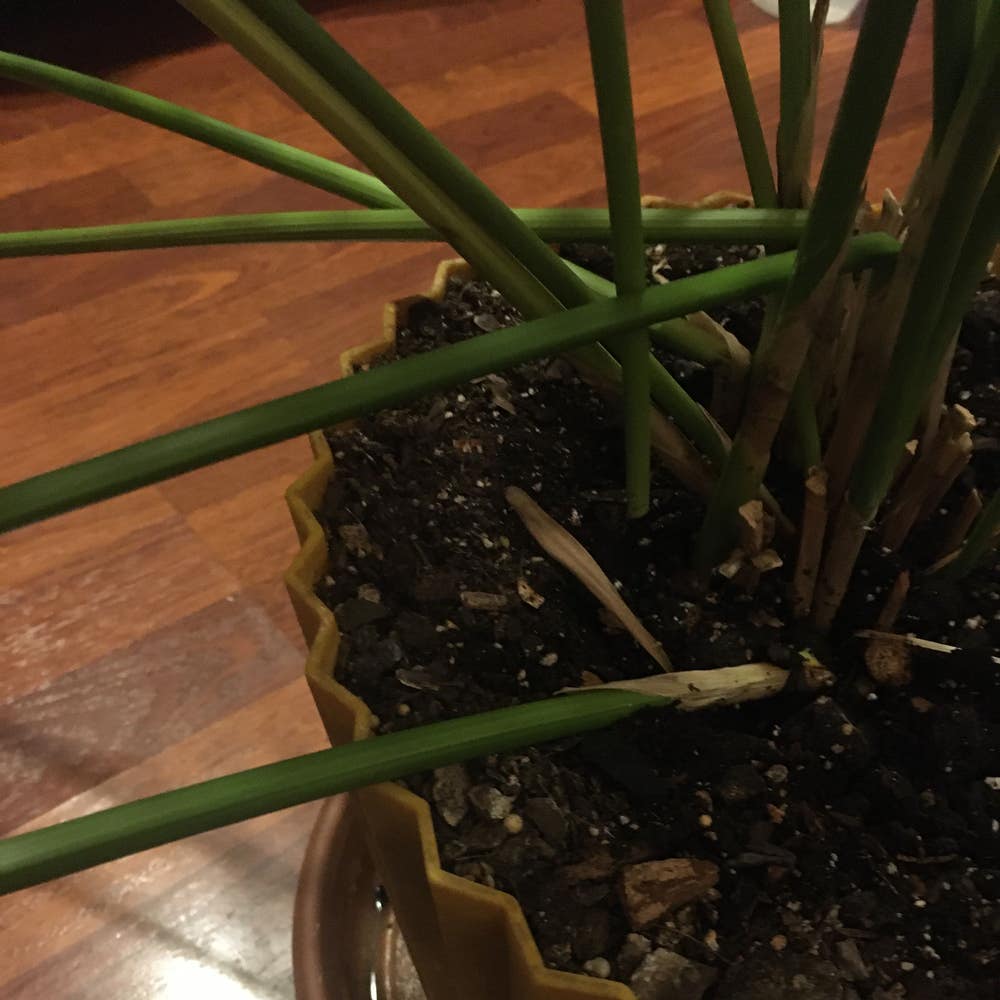
☂️ Umbrella Palm SOS: Rescue Your Plant from Root Rot
Cyperus alternifolius
By the Greg Editorial Team
Nov 25, 2024•6 min read
This article was created with the help of AI so we can cover more plants for you. May contain errors. See one? Report it here.
Save your umbrella palm from root rot and ensure its vibrant health with these essential prevention tips! 🌿
- 🌱 Root rot in umbrella palms is caused by overwatering and poor drainage.
- 🕵️♂️ Key symptoms include yellowing leaves and mushy roots; act quickly!
- 🧪 Prevent root rot by using well-draining soil and monitoring watering habits.
Causes of Root Rot
Root rot is a common issue that can devastate your umbrella palm. Understanding its causes is the first step toward prevention and recovery.
💧 Overwatering
One of the primary culprits of root rot is overwatering. When you give your plant too much moisture, the soil becomes waterlogged, suffocating the roots and leading to decay.
🕳️ Soil Drainage Issues
Another significant factor is soil drainage. If your potting mix retains too much water, it creates a perfect environment for root rot to thrive.
🍄 Fungal Infections
Fungal infections are also notorious for causing root decay. Pathogens like Pythium and Phytophthora can invade the root system, leading to further deterioration.
🌧️ Environmental Factors
Lastly, environmental conditions play a crucial role. High humidity and low light can exacerbate moisture retention, making your plant more susceptible to root rot.
By recognizing these causes, you can take proactive measures to protect your umbrella palm and ensure its health. Next, let’s explore the symptoms of root rot to help you identify if your plant is in trouble.
Symptoms of Root Rot
Recognizing the symptoms of root rot early can save your Umbrella Palm from serious damage. Here are the key signs to watch for:
🌼 Yellowing Leaves
When your plant's leaves start to turn yellow, it's often a cry for help. This discoloration indicates stress and potential nutrient deficiencies, signaling that the roots are struggling to absorb what they need.
🚨 Wilting Despite Adequate Watering
If your Umbrella Palm appears wilted even after you've watered it, this is a major red flag. It suggests that the roots are unable to take up moisture, often due to decay or damage.
🥴 Brown, Mushy Roots
Inspecting the roots can reveal a lot about your plant's health. If you find brown, mushy roots, it's a clear sign of decay, indicating that root rot has taken hold.
🤢 Foul Odor
A foul smell coming from the soil is another alarming symptom. This odor often indicates the presence of rotting material, which can further compromise your plant's health.
Being aware of these symptoms allows you to act quickly, potentially saving your plant from further decline. Next, we'll explore how to diagnose root rot effectively, ensuring you have the tools to tackle this issue head-on.
How to Diagnose Root Rot
Diagnosing root rot early can save your Umbrella Palm from serious damage. Here are the key steps to identify if your plant is suffering.
👀 Visual Inspection
Start with a visual inspection of the roots. Look for discoloration and texture changes; healthy roots should be firm and white, while rotting roots appear brown and mushy.
💧 Soil Moisture Test
Next, perform a soil moisture test. You can use a moisture meter or simply stick your finger into the soil to check how wet it is.
⚖️ Pot Weight Assessment
Assess the weight of the pot. If it feels unusually heavy, this could indicate waterlogged conditions, a common sign of root rot.
🔍 Root Examination
Finally, conduct a root examination. Gently remove the plant from its pot to inspect the roots closely, ensuring you can identify any signs of decay.
By following these steps, you can effectively diagnose root rot and take action before it’s too late. Now that you know how to identify the problem, let’s explore how to alleviate root rot effectively.
Alleviating Root Rot
Step-by-Step Guide to Treating Root Rot 🌱
Remove the plant from its pot: Start by gently loosening the soil around the roots. This step is crucial to avoid damaging the plant while you assess the situation.
Inspect the roots: Look for any brown, mushy roots that indicate decay. Use sterilized scissors to trim away these unhealthy parts, promoting better overall health for your plant.
Clean the pot: After removing the plant, wash the pot with a diluted bleach solution. This helps eliminate any lingering pathogens that could cause future issues.
Prepare fresh soil: Choose a well-draining potting mix specifically designed for aquatic plants. This will provide the right environment for your plant to thrive.
Repot the plant: Carefully position the healthy roots in the new soil, ensuring they are at the proper depth. This will help your plant establish itself in its new, healthier environment.
Recommended Treatments and Products 🛠️
Fungicides: Consider applying appropriate fungicides to combat any fungal infections that may have contributed to root rot. This can be a game-changer in restoring your plant's health.
Root stimulants: Look for products that promote healthy root growth after treatment. These can give your plant the boost it needs to recover.
Soil amendments: Incorporate materials like perlite or sand into your soil mix. This enhances drainage and aeration, reducing the risk of future root rot.
By following these steps and utilizing the right products, you can effectively rescue your Umbrella Palm from root rot. With a little care and attention, your plant can bounce back and thrive once again. Next, let’s explore how to prevent root rot from occurring in the first place.
Preventing Root Rot
🌧️ Best Practices for Watering
To keep your Umbrella Palm thriving, establish a consistent watering schedule. Allow the top inch of soil to dry out before watering again to prevent over-saturation.
Ensure that water drains freely from the pot. This simple step helps avoid waterlogged conditions that can lead to root rot.
🪴 Soil Selection and Drainage Solutions
Choosing the right soil is crucial for your plant's health. Opt for a potting mix designed for aquatic plants, as it provides the necessary drainage.
Enhance soil aeration by adding drainage materials like perlite, gravel, or sand. These additions improve airflow to the roots, reducing the risk of decay.
When selecting pots, always choose those with drainage holes. This prevents water accumulation and promotes a healthy root environment.
🌡️ Environmental Conditions to Monitor
Light exposure plays a significant role in moisture retention. Ensure your Umbrella Palm receives bright, indirect light to help regulate its water needs.
Keep an eye on humidity levels. Maintaining moderate humidity prevents excessive moisture that can contribute to root rot.
Lastly, control the temperature around your plant. Stable temperatures reduce stress and support healthy growth, keeping your Umbrella Palm in top shape.
By following these preventive measures, you can significantly reduce the risk of root rot and ensure your plant flourishes. Next, let’s explore how to diagnose root rot effectively.
⚠️ Safety First
This content is for general information and may contain errors, omissions, or outdated details. It is not medical, veterinary advice, or an endorsement of therapeutic claims.
Always consult a qualified healthcare professional before using any plant as food, medicine, or supplement.
Never eat any plant (or feed one to pets) without confirming its identity with at least two trusted sources.
If you suspect poisoning, call Poison Control (800) 222-1222, the Pet Poison Helpline (800) 213-6680, or your local emergency service immediately.
Spotted an error? Please report it here.
Rescue your umbrella palm from root rot 🌱 by using Greg's tailored watering reminders and soil moisture checks to keep your plant thriving in a healthy environment!