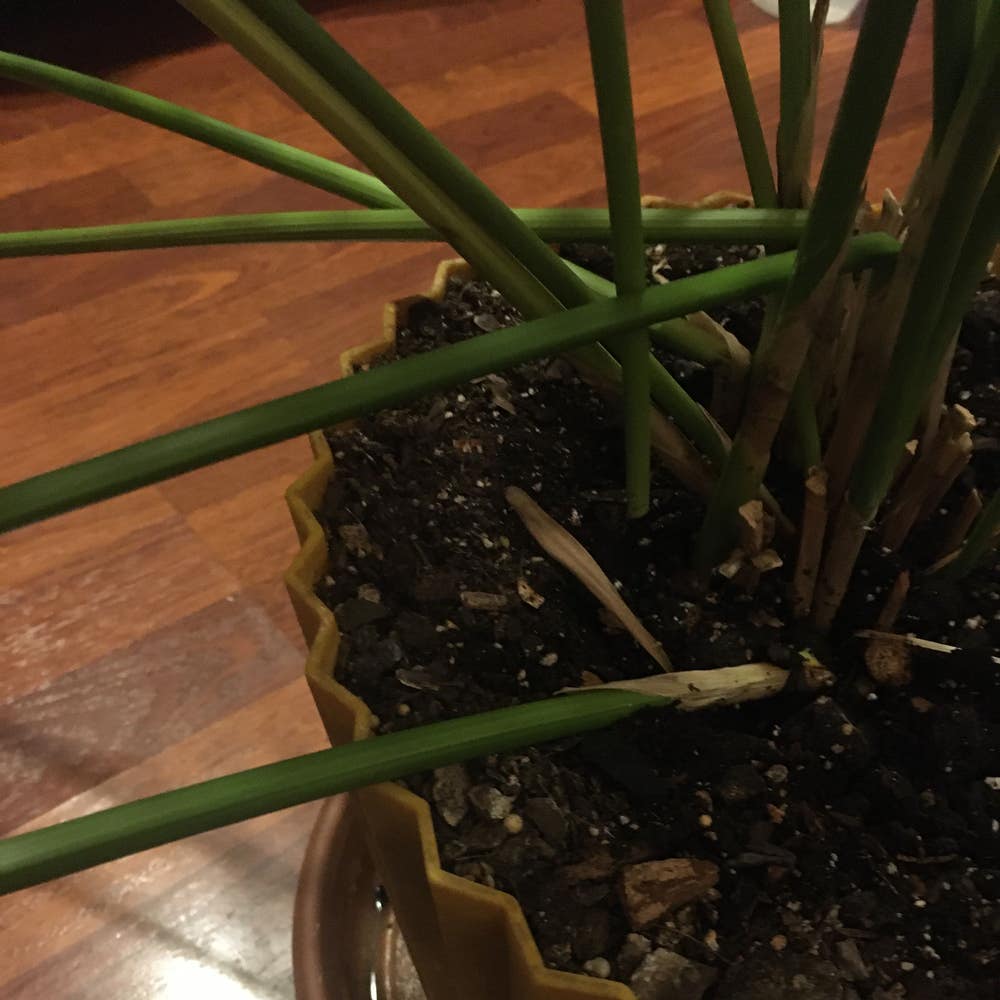
☂️ What Is The Best Way To Water an Umbrella Papyrus?
Cyperus alternifolius
By the Greg Editorial Team
Jun 18, 2024•3 min read
This article was created with the help of AI so we can cover more plants for you. May contain errors. See one? Report it here.
Nurture a lush umbrella papyrus with the art of perfect watering—no more guesswork! 🌿💦
- 🌱 Spot drooping leaves and dry soil to gauge your papyrus's thirst.
- 💧 Adapt watering to seasons and conditions, not a rigid schedule.
- 🚿 Use soak and drain method with room-temp water for healthy roots.
When to Water: Timing is Everything
💧 Spotting the Signs of Thirst
Your umbrella papyrus isn't shy about telling you when it's thirsty. If the leaves droop like a disappointed parent, it's time to water. Check the soil; if it feels drier than a stand-up comedian's wit, your plant is parched. Remember, the weight of the pot can also be a clue—a lighter pot means less water inside.
🕰 The Golden Rule of Frequency
Consistency is key, but not rigidity. Forget watering on a schedule as if it's a bus to catch. Instead, adapt to your plant's needs. It's like checking your phone—do it often enough to stay updated but not so much that you become obsessive. Typically, watering once a week is a good start, but always verify soil moisture first.
🌦 Seasonal Shifts in Watering
As seasons change, so should your watering habits. In the summer, your umbrella papyrus might be as thirsty as a tourist in the desert, requiring more frequent watering. Come winter, it's more of a camel, needing less. Keep an eye on indoor conditions too—air conditioning and heating can make your plant crave a drink or want to hold off.

How to Water: Techniques for a Happy Plant
💦 The Soak and Drain Method
To ensure your umbrella papyrus stays vibrant, master the soak and drain method. Water until it seeps out of the drainage holes, then let it drain completely. This mimics a natural wetting cycle, preventing root rot and promoting healthy growth.
🌡️ Temperature and Quality of Water
Temperature matters. Use room-temperature water to avoid shocking the plant's roots. Quality is key, too—filtered or rainwater can prevent mineral build-up and keep your papyrus thriving.

The Right Home: Pots and Soil
🏡 Choosing the Best Pot
When selecting a pot for your umbrella papyrus, think 'Goldilocks': not too big, not too small, but just right. Drainage holes are a must-have feature; they're your safety net against root rot. It's like choosing a house with a good plumbing system—non-negotiable.
🌱 The Ideal Soil Mix
Your umbrella papyrus craves a soil mix that's the botanical equivalent of a memory foam mattress—retentive yet draining. Mix in some perlite or coarse sand to keep it light and airy, with peat to hold onto moisture. It's about creating a cozy bed that won't waterlog the roots. Think of it as setting up the perfect studio apartment for your plant's roots: snug, breathable, and without the risk of indoor flooding.

Troubleshooting: Too Much or Too Little
🚱 Signs of Overindulgence
Yellowing leaves and a mushy stem are the plant equivalent of a white flag—your umbrella papyrus is too wet. If the soil squishes like a soaked sponge, you've crossed a line. Root rot could follow, turning your papyrus's life into a soggy mess. To fix this, let the soil dry out before you water again, and consider improving drainage. If root rot has set in, you may need to remove the affected parts and repot the plant in fresh, well-draining soil.
🏜️ The Perils of Neglect
Drooping leaves and bone-dry soil are SOS signals from an underwatered umbrella papyrus. It's begging for a drink. Increase watering frequency gradually until the soil feels consistently moist, not waterlogged. If the plant has been severely neglected, a thorough soak might be necessary to rehydrate the soil properly. Just ensure that excess water can drain freely to prevent future overwatering issues.
⚠️ Safety First
This content is for general information and may contain errors, omissions, or outdated details. It is not medical, veterinary advice, or an endorsement of therapeutic claims.
Always consult a qualified healthcare professional before using any plant as food, medicine, or supplement.
Never eat any plant (or feed one to pets) without confirming its identity with at least two trusted sources.
If you suspect poisoning, call Poison Control (800) 222-1222, the Pet Poison Helpline (800) 213-6680, or your local emergency service immediately.
Spotted an error? Please report it here.
Ensure your umbrella papyrus thrives 🌿 with Greg's custom watering reminders tailored to your home's unique environment.