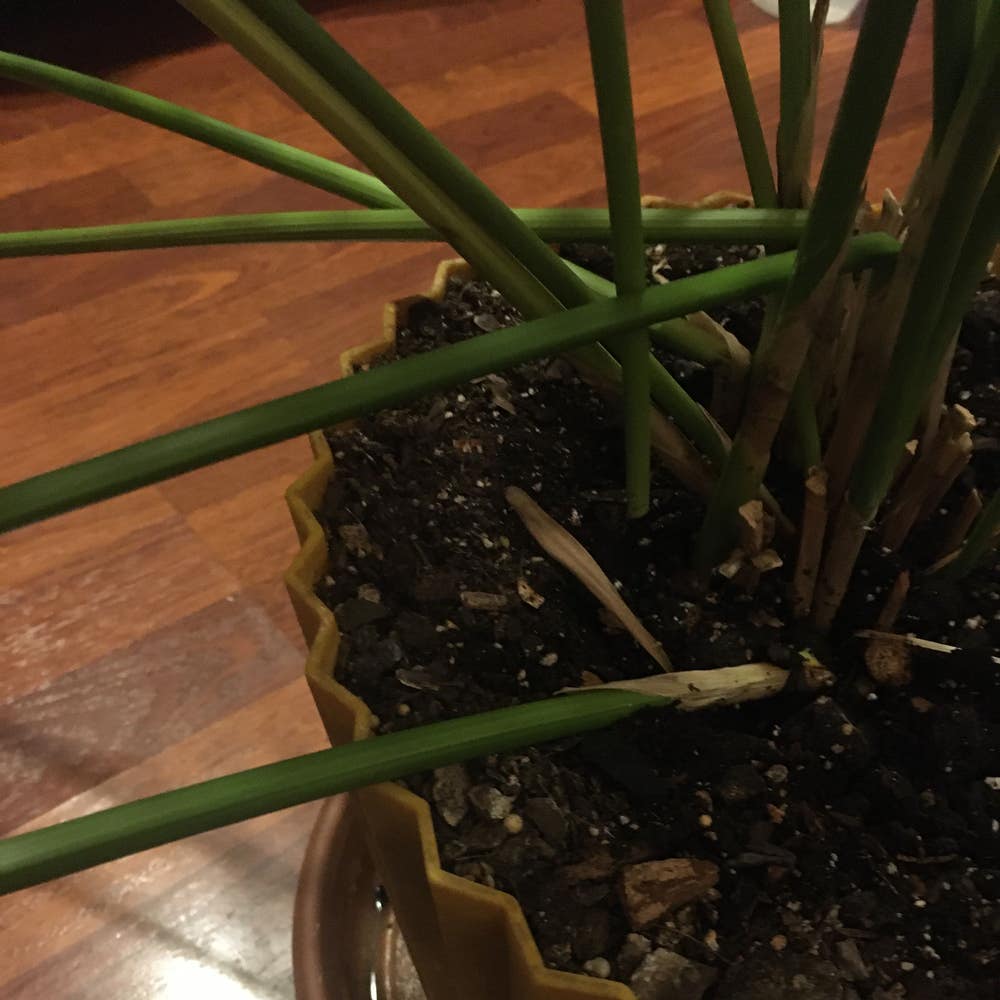
☂️ How to Cure Brown Spots on Your Umbrella Palm
Cyperus alternifolius
By the Greg Editorial Team
Nov 25, 2024•6 min read
This article was created with the help of AI so we can cover more plants for you. May contain errors. See one? Report it here.
Revive your Umbrella Palm 🌴 by mastering the diagnosis and treatment of pesky brown spots for vibrant growth!
- 🌧️ Brown spots arise from overwatering, underwatering, fungi, or pests. Identify the cause!
- 🌱 Ensure proper drainage and soil moisture to prevent root rot and crispy edges.
- 🔍 Regularly inspect for pests and fungal signs to maintain your Umbrella Palm's health.
Causes of Brown Spots
💧 Overwatering and Root Rot
Overwatering is a common culprit behind brown spots on your Umbrella Palm. Symptoms include yellowing leaves that eventually develop brown spots and wilting, even when the soil is wet.
Root rot occurs when the soil is waterlogged, creating an environment where fungal pathogens thrive. To prevent this, use well-draining soil and ensure your pots have drainage holes.
🌵 Underwatering and Leaf Stress
Underwatering can also lead to brown spots, manifesting as crispy leaf edges and brown tips. Leaves may curl or droop, indicating that the plant is stressed.
To avoid this issue, regularly check the soil moisture. Water your Umbrella Palm when the top inch of soil feels dry to the touch.
🍄 Fungal Infections and Diseases
Fungal infections are another significant cause of brown spots. Common issues include leaf spot diseases that create brown lesions and root rot fungi that compromise overall plant health.
Look for signs such as dark brown or black spots with yellow halos and rapid leaf decline. To prevent fungal issues, maintain good air circulation around the plant and avoid overhead watering.
🐜 Pest Infestations
Pests can wreak havoc on your Umbrella Palm, leading to unsightly brown spots. Common offenders include spider mites, which cause stippling and discoloration, and scale insects that suck sap from the leaves.
Signs of pest infestations include visible pests on the undersides of leaves and sticky residue or honeydew on the foliage. Regularly inspect your plants for pests and consider using insecticidal soap or neem oil for treatment.
Understanding these causes is crucial for maintaining the health of your Umbrella Palm. By addressing these issues proactively, you can ensure your plant thrives and remains vibrant.
Diagnosing Brown Spots
🌧️ Identifying Symptoms of Overwatering
Overwatering can be a sneaky culprit behind brown spots on your Umbrella Palm. Look for signs like consistently wet or soggy soil and mushy roots when you inspect the plant.
💧 Recognizing Signs of Underwatering
On the flip side, underwatering can also lead to distress. Indicators include dry, cracked soil and leaves that feel dry and brittle, signaling that your plant is in need of hydration.
🐛 Differentiating Between Fungal and Pest Issues
Understanding the difference between fungal infections and pest infestations is crucial. Fungal issues often appear as brown spots with yellow halos, while pest problems typically manifest as webbing or visible insects on the leaves.
🌤️ Assessing Environmental Factors
Finally, consider the environmental conditions your Umbrella Palm is in. It thrives in bright, indirect sunlight and prefers humidity levels between 50-70%, which are essential for its overall health.
By diagnosing these issues accurately, you can take the necessary steps to restore your Umbrella Palm's vitality. Next, let’s explore effective treatment options to tackle those pesky brown spots.
Treatment Options
🌊 Adjusting Watering Practices
To effectively treat brown spots on your Umbrella Palm, start by adjusting your watering practices.
- Determine the correct watering frequency: Water your plant when the top inch of soil feels dry to the touch.
- Check drainage: Ensure your pots have adequate drainage holes to prevent water from pooling at the bottom.
- Adjust based on season: In winter, reduce watering frequency as the plant's growth slows down.
🍄 Applying Fungicides for Fungal Infections
Fungal infections can be a significant cause of brown spots.
- Types of fungicides: Use broad-spectrum fungicides for leaf spots and specific treatments for root rot.
- Application methods: Always follow the label instructions for dosage and frequency to ensure effectiveness.
- Timing: Apply fungicides during the plant's active growth phase for the best results.
🌱 Fertilizing to Address Nutrient Deficiencies
Nutrient deficiencies can also lead to brown spots on your Umbrella Palm.
- Recommended fertilizers: Opt for balanced NPK fertilizers, such as 10-10-10 or similar formulations.
- Application frequency: Fertilize every 4-6 weeks during the growing season to promote healthy growth.
- Signs of improvement: Look for new growth that appears healthy and vibrant as a sign that your plant is responding well.
✂️ Removing Affected Leaves
Sometimes, the best course of action is to remove severely damaged or diseased leaves.
- When to remove leaves: If leaves are beyond recovery, it's time to cut them off.
- Proper techniques: Use clean, sharp scissors to make clean cuts and prevent further damage to the plant.
- Disposal methods: Dispose of the removed leaves properly to avoid spreading any potential diseases.
With these treatment options, you can effectively manage and prevent brown spots on your Umbrella Palm. Next, let's explore some preventive measures to keep your plant healthy and thriving.
Preventive Measures
Proper Watering Techniques 🌊
Effective watering is crucial for the health of your Umbrella Palm. Water deeply but infrequently, allowing the top inch of soil to dry out between waterings.
This approach helps prevent both overwatering and underwatering, keeping your plant happy and thriving.
Ideal Light and Humidity Conditions ☀️
Your Umbrella Palm thrives in bright, indirect light. Avoid direct sunlight, which can scorch the leaves.
Humidity is equally important; aim for levels between 50-70%. Consider using a humidifier or a pebble tray filled with water to maintain optimal humidity.
Regular Inspection for Pests 🔍
Regular inspections are key to catching pest issues early. Check the undersides of leaves weekly for any signs of pests.
If you spot any infestations, treat them promptly to prevent further spread. Early intervention can save your plant from significant damage.
Seasonal Care Adjustments 🍂
Adjusting your care routine with the changing seasons is essential. In winter, reduce watering as the plant's growth slows down.
During dry months, increase humidity levels to support your Umbrella Palm's health. These seasonal adjustments will help keep your plant in top shape year-round.
By implementing these preventive measures, you can significantly reduce the chances of brown spots appearing on your Umbrella Palm. Next, let’s explore how to monitor and maintain your plant for long-term health.
Monitoring and Maintenance
Regular Leaf Cleaning and Care 🌿
Keeping your Umbrella Palm's leaves clean is essential for its health. Wipe the leaves with a damp cloth to remove dust and debris, allowing the plant to photosynthesize effectively.
Aim for a monthly cleaning routine to ensure your plant thrives. This simple task can significantly enhance its overall vitality.
Observing Changes in Leaf Health 👀
Regularly observe your plant for any changes in leaf health. Look for variations in color, texture, or growth patterns that may indicate underlying issues.
Noticing these changes early can help you address potential problems before they escalate.
Keeping a Care Journal 📓
Maintaining a care journal can be a game-changer for your Umbrella Palm. It allows you to track watering, fertilization, and pest treatments, providing valuable insights into your plant's needs.
Consider including entries such as the date, observations, and any adjustments made to your care routine. This practice not only helps you stay organized but also fosters a deeper connection with your plant.
By implementing these monitoring and maintenance strategies, you can ensure your Umbrella Palm remains healthy and vibrant. Next, let's explore preventive measures to keep your plant thriving year-round.
⚠️ Safety First
This content is for general information and may contain errors, omissions, or outdated details. It is not medical, veterinary advice, or an endorsement of therapeutic claims.
Always consult a qualified healthcare professional before using any plant as food, medicine, or supplement.
Never eat any plant (or feed one to pets) without confirming its identity with at least two trusted sources.
If you suspect poisoning, call Poison Control (800) 222-1222, the Pet Poison Helpline (800) 213-6680, or your local emergency service immediately.
Spotted an error? Please report it here.
Transform your Umbrella Palm's health and bloom with confidence 🌿 by using Greg's tailored watering reminders and pest alerts to keep those pesky brown spots at bay!