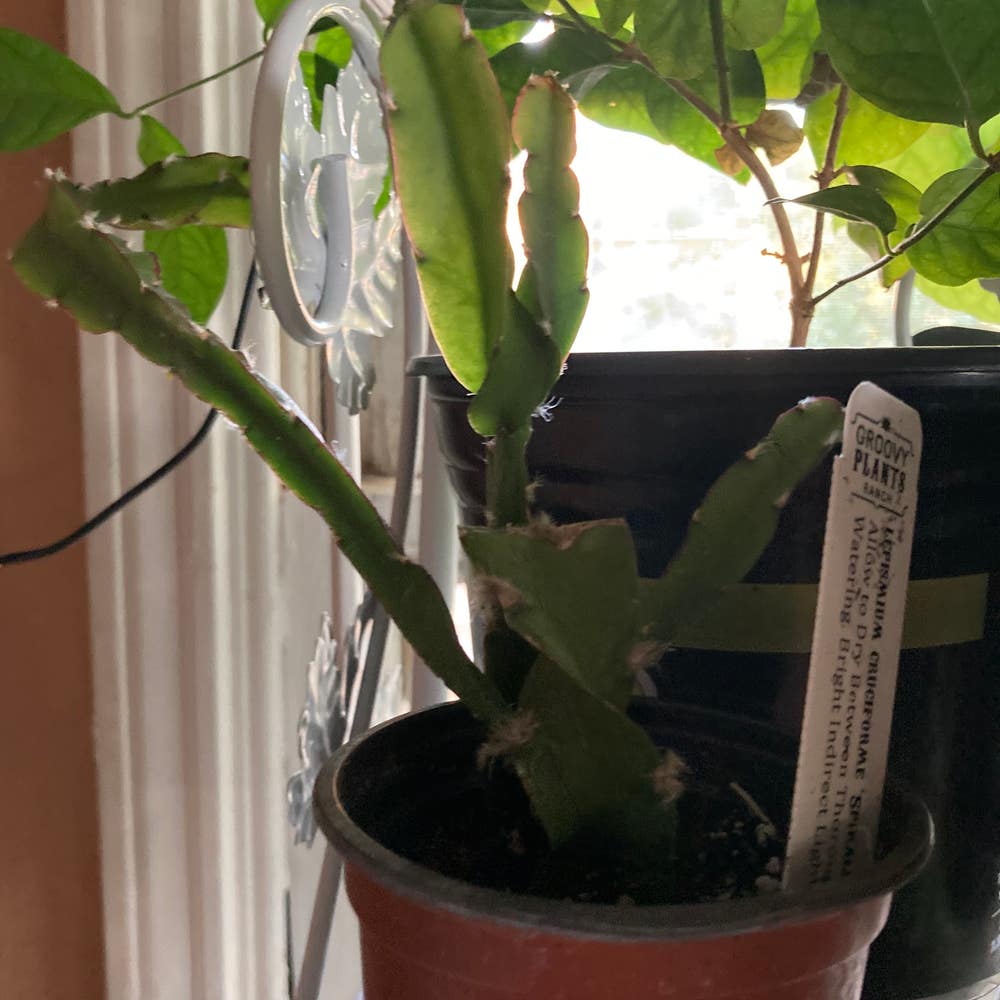
How Do I Propagate My Snowdrop Cactus?
Lepismium houlletianum
By the Greg Editorial Team
Mar 23, 2024•5 min read
This article was created with the help of AI so we can cover more plants for you. May contain errors. See one? Report it here.
Propagate your Snowdrop Cactus 🌵 effortlessly and multiply your green oasis for free! 🆓
- Offsets are a propagation starter kit, use sterilized tools for separation.
- 🌵 Stem and leaf cuttings need callusing; angle stem cuts for success.
- Post-propagation care is crucial: right soil, container, and minimal watering.
Getting Started with Offsets
🌱 Identifying and Harvesting Offsets
In the world of Snowdrop Cactus propagation, offsets are like the plant's own version of a starter kit. Look for the chunkier ones—they're ready to fly solo. When it's time to separate, think clean cuts and sterilized tools to avoid any nasty infections. Gently twist or slice the offset from the mother plant, ensuring it has a piece of itself to take root.
🌿 Planting Your Offsets
Once you've got your offsets, it's time to pot them up. Go for a well-draining soil mix and a container that's cozy but not cramped. When planting, let the offset sit just deep enough to stand upright without being swallowed by the soil. In the early days, water with a light hand—think of it as hydration, not a flood. Bright, indirect light will be your offsets' best friend as they start their new life.
Stem Cuttings: A Step-by-Step Guide
🌱 Choosing and Cutting Your Stems
To kick off your propagation, select stems that scream health—vibrant, firm, and disease-free. Grab your disinfected shears and make a confident cut below a node. Angle it at 45 degrees; more surface area equals more rooting potential.
🌿 From Cutting to Rooting
Callusing is your stem's armor against rot. Let it form over a few days in indirect light. Once you've got a callus, it's time to plant. Stick the cutting in well-draining soil, ensuring a node is underground. Patience is your new best friend—roots will take time, but it's worth the wait. Keep the soil moist, not soggy, and provide bright, indirect light. Watch for the magic as roots take hold.
Leaf Cuttings: The Delicate Process
🌱 Taking and Preparing Leaf Cuttings
In the realm of propagation, leaf cuttings are like the introverts of the plant world—quiet but full of potential. Select plump, healthy leaves, ensuring they're free from any damage or disease. Snip them with a clean, sharp tool, and then let them enter a phase of self-imposed isolation. This means allowing the cut end to callus over, which can take a few days. It's like giving the leaf a moment to compose itself before the spotlight of growth shines upon it.
Encouraging Roots and Growth
Once your leaf cuttings have callused, it's showtime. Place them on top of a well-draining soil mix, ensuring the cut end doesn't get buried. The environment should be the Goldilocks zone—not too wet, not too dry, but just right. Bright, indirect light will be their sunshine on a cloudy day, encouraging roots to come out and play. Patience is your new best friend here; roots take time to develop, so don't rush the process. Keep the soil slightly moist, and before you know it, you'll witness the birth of new plant life.
After Propagation: The Next Steps
🌵 The Right Home for Your New Cacti
Choosing the right soil mix is crucial for your cactus post-propagation. Aim for a well-draining concoction; a blend of peat moss, perlite, and compost works wonders. It's like a fluffy bed for roots, minus the sogginess.
Select a container that complements your cactus's size. Too big, and you risk waterlogging; too small, and you'll stifle its growth. Drainage holes are non-negotiable—no one likes wet feet, especially not cacti.
🌟 The Crucial First Weeks: Light, Watering, and Temperature Tips
During the first weeks, your cactus needs warmth and bright, indirect light. Think of it as a cozy backstage area, away from the harsh spotlight of direct sunlight.
Watering should be minimal. The soil's top inch is your truth-teller—if it's dry, it's time for a drink. But remember, overwatering is the fast track to root rot.
Temperature-wise, aim for a comfort zone of 68-86°F (20-30°C) during the day, with a slight dip at night. It's the desert-chic vibe your cactus craves for optimal rooting.
Propagation Pitfalls and How to Dodge Them
🌵 Common Hurdles in Snowdrop Cactus Propagation
In the world of Snowdrop Cactus propagation, vigilance is your best friend. Keep an eye out for yellowing leaves or sluggish growth—these are your cactus crying out for help. Don't wait for a full-blown crisis; act fast to troubleshoot.
🚱 Recognizing and Overcoming the Signs of Trouble
Overwatering is the arch-nemesis of cactus propagation. It's a surefire way to drown your dreams in mush. Ensure your soil is as gritty as a detective novel—sharp drainage is non-negotiable. If your offsets look more sad than sprightly, it's time to reassess your setup.
🛡️ Proactive Measures to Prevent Propagation Woes
Sterilize your tools like a surgeon. Clean cuts prevent infections and give your cactus cuttings a fighting chance. Keep your propagation area as spotless as a five-star restaurant kitchen to fend off fungal invaders. Remember, a dab of alcohol or insecticidal soap can send pests packing.
Avoid high humidity like a bad joke—it's a fungal party invitation. Ensure your propagation space has good airflow; think lounge, not sauna. And if your cactus is more stubborn than a mule, consider a rooting hormone to give it a nudge. Keep the soil warm and moist to encourage those roots to sprout.
Stay sharp, stay proactive, and your Snowdrop Cactus will thank you by thriving.
⚠️ Safety First
This content is for general information and may contain errors, omissions, or outdated details. It is not medical, veterinary advice, or an endorsement of therapeutic claims.
Always consult a qualified healthcare professional before using any plant as food, medicine, or supplement.
Never eat any plant (or feed one to pets) without confirming its identity with at least two trusted sources.
If you suspect poisoning, call Poison Control (800) 222-1222, the Pet Poison Helpline (800) 213-6680, or your local emergency service immediately.
Spotted an error? Please report it here.
Propagate your Snowdrop Cactus to perfection 🌱 with Greg's custom care tips for every step, from sterile cuts to the ideal soil warmth.