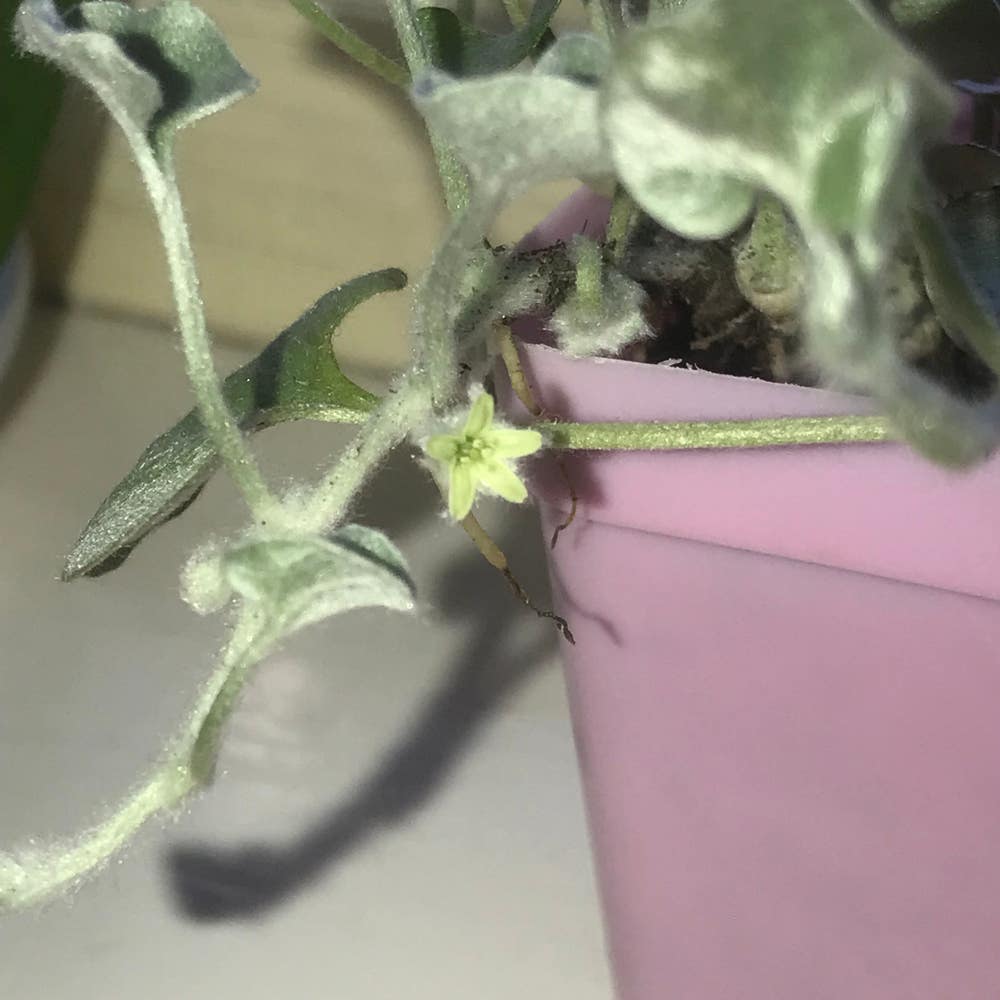
Propagating Emerald Falls Dichondra: Step-by-Step Guide
Dichondra argentea 'Emerald Falls'
By the Greg Editorial Team
Mar 01, 2024•4 min read
This article was created with the help of AI so we can cover more plants for you. May contain errors. See one? Report it here.
- Choose healthy stems and cut at a 45-degree angle below a leaf node.
- Root in soil or water, then transplant when roots are well-developed.
- Divide in spring/autumn for more plants, ensuring each section has roots and growth points.
Snip and Start: Propagating from Stem Cuttings
🌱 Choosing Your Champion Cuttings
To kickstart propagation, select stems that are the epitome of plant health. Look for stems that are robust, green, and free from any blemishes or signs of disease. The best time for snipping is during the plant's growth phase, often in spring or early summer.
Make the cut just below a leaf node using disinfected shears or a knife, aiming for a 45-degree angle to increase the area available for root growth.
🌿 Prepping Your Cuttings for Success
Once you have your cutting, strip the lower leaves to prevent potential rot, while keeping a few at the top to continue photosynthesis.
Cuttings should be about 4-6 inches long to optimize rooting potential. For an extra boost, consider dipping the cut end into rooting hormone before planting. This step isn't mandatory, but it's like giving your cuttings a head start in the rooting race.
Rooting Your Future Waterfalls
🌱 Soil Rooting: The Traditional Route
🌿 Preparing the Perfect Soil Mix
For soil rooting, think of the mix as a VIP lounge for roots. Equal parts of coarse sand, sterile peat moss, and perlite create the ideal chill-out zone that's moist yet breathable. Before planting, moisten the mix to make it welcoming.
Planting and Caring for Your Cuttings in Soil
Stick your cuttings into the pre-moistened soil like you're planting a flag on the moon—confidently and with purpose. Keep the soil damp but not soggy to avoid a root rot disaster. Position in indirect light and whisper sweet nothings until roots develop.
💧 Water Rooting: A Clear Alternative
💦 How to Root Cuttings in Water
Water rooting is like a science experiment on your windowsill. Snip your cutting, remove lower leaves, and plop it into a glass of water. Change the water every few days or use activated charcoal to keep it clean—think of it as a spa for your soon-to-be roots.
Transitioning from Water to Soil
Once you spot those tiny white root nubs, it's go-time. Transfer your water-rooted cuttings to soil before they get too cozy. Choose a small pot to avoid the overwatering trap and gently cover the roots with your prepped soil mix. It's like moving from a cozy apartment to a spacious house.
Multiplying Magic: Division Propagation
🎯 When and How to Divide
Spring or early autumn is your sweet spot for division, avoiding the plant's peak growth times. Look for signs of overcrowding or stress as cues for an off-season division.
The Division Process Step-by-Step
- 💧 Water your Emerald Falls Dichondra a few days before to minimize root shock.
- Gently remove the plant from its pot, being mindful of the roots.
- Identify sections with healthy roots and at least one growth point.
- With a 🔪 sterile, sharp tool, confidently separate the plant into sections.
- Trim away any damaged roots or foliage to focus the plant's energy on recovery.
Post-Division Care
Post-division, it's all about balance. Keep the soil consistently moist, but not waterlogged. Bright, indirect light is ideal, while direct sun is a no-go.
Ensuring Division Success
- Monitor for new growth as a sign of successful division.
- Be vigilant for pests or diseases, and treat with insecticidal soap or neem oil if needed.
- Patience is key—give your plants time to establish themselves.
Transplanting Your Tiny Tendrils
🌱 The Right Time to Move
Knowing when your cuttings are ready for transplant is crucial. Look for root development; a gentle tug that meets resistance suggests roots are anchored and ready for a new home. Avoid transplanting during active growth or flowering to minimize stress.
💃 The Transplant Tango
🕺 Preparing for the Move
Transplanting is like a dance; it requires grace and precision. Start by watering your plants well to ease the transition. Choose a new pot that's slightly larger—1/2" to 1" should suffice for young plants.
🌿 The Actual Transplant
Carefully remove the plant from its current container, taking care not to damage the roots. If the plant is pot-bound, gently tease the roots apart. Place it in the new pot at the same depth it was previously growing.
🌞 Acclimating to New Conditions
Post-transplant, your plants will need time to adjust. Acclimate them to new light conditions gradually and monitor for signs of stress. Water thoroughly but allow the soil to dry out between waterings to prevent root rot. Keep an eye on your new transplants, adjusting care as needed.
⚠️ Safety First
This content is for general information and may contain errors, omissions, or outdated details. It is not medical, veterinary advice, or an endorsement of therapeutic claims.
Always consult a qualified healthcare professional before using any plant as food, medicine, or supplement.
Never eat any plant (or feed one to pets) without confirming its identity with at least two trusted sources.
If you suspect poisoning, call Poison Control (800) 222-1222, the Pet Poison Helpline (800) 213-6680, or your local emergency service immediately.
Spotted an error? Please report it here.
Propagate Emerald Falls Dichondra 🌱 like a pro with Greg's personalized reminders for cutting, rooting, and transplanting, ensuring your green friends thrive under your care!