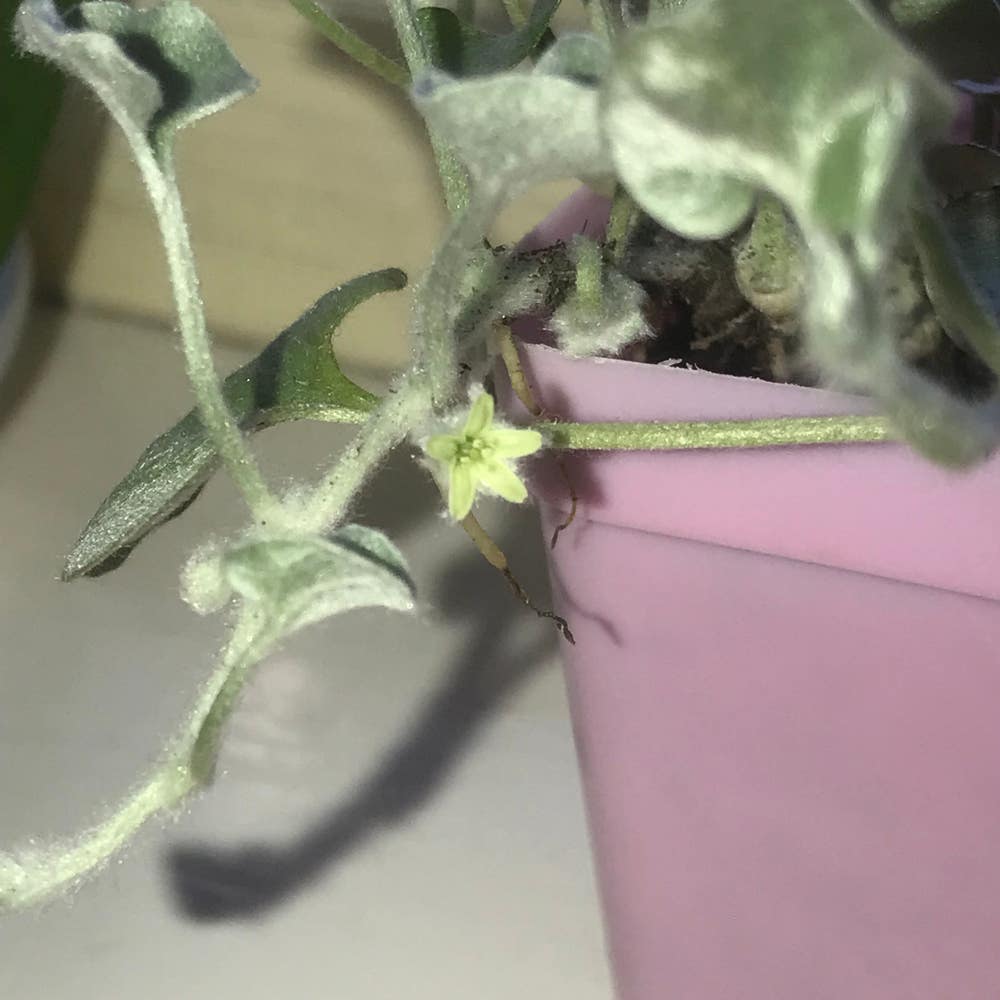
Should I Repot My Emerald Falls Dichondra And If So, How?
Dichondra argentea 'Emerald Falls'
By the Greg Editorial Team
Mar 01, 2024•4 min read
This article was created with the help of AI so we can cover more plants for you. May contain errors. See one? Report it here.
- Repot for growth: Cramped roots mean it's time to upsize your pot.
- Choose wisely: Terracotta for moisture, plastic for retention, always with drainage holes.
- Gentle care post-repot: Sanitize pot, prepare soil with good drainage, water thoroughly.
Spot the Clues: When to Repot
🌱 Root Tango: Tangled and Peeking Roots
Roots circling the interior or making a daring escape through drainage holes are your plant's version of an SOS. Cramped roots can't absorb nutrients effectively, stunting your Emerald Falls Dichondra's potential.
📏 Growth Spurt: Recognizing Stunted Growth
When your plant's growth hits a plateau, it's not just taking a breather; it's likely root-bound. A pot that once seemed spacious can quickly become a straightjacket for your plant's roots.
💧 Thirsty Roots: Water Drainage Woes
If water seems to vanish faster than a magician's rabbit or the soil stays soggy, it's a drainage red flag. Inconsistent moisture levels can spell trouble and signal it's time for a new pot.
Picking the Perfect Pot
🌱 Size Matters: Finding the Right Fit
Size is non-negotiable. Your Emerald Falls Dichondra needs room to flourish without drowning in excess soil moisture. A pot too large encourages soggy conditions; too small, and you'll stifle its growth. Aim for a pot 1-2 inches larger in diameter than the current one.
🏺 Material Magic: Which Pot Material Wins?
Terracotta pots are the MVP for moisture management, wicking away excess water, but they're heavy and can break your toe if they fall. Plastic is lightweight and retains moisture longer, which can be a blessing or a curse. Ceramic? It's terracotta's prettier sibling, with a glaze that holds in moisture, but don't forget—it's just as weighty.
🚰 Drainage Decisions: Ensuring Proper Water Flow
Drainage holes are the escape routes for excess water. No holes? Prepare for a swampy mess and root rot. If you fall for a pot without them, be ready to drill or stack a layer of gravel at the bottom. But let's be real, holes are simpler and your Dichondra will thank you.
The Repotting Rundown
💦 Prep Work: Getting Your Plant and Pot Ready
Before you play musical pots with your Emerald Falls Dichondra, sanitize the new pot. This isn't just about cleanliness; it's about giving your plant a fresh start without old bacteria or fungi crashing the party. Lay out your tools—pot, fresh soil, and a watering can—like a surgeon prepping for operation. Remember, water your Dichondra a day before the transplant to make the roots more pliable.
🌱 Soil Secrets: Mixing the Ideal Home
Your Dichondra's new soil mix should be like a bespoke suit—tailored to fit. Combine a high-quality potting mix with a dash of perlite or pumice for that crucial drainage. The goal is to create a fluffy, breathable environment where water can flow freely, not a swamp where roots go to drown.
🌿 Gentle Transitions: Moving Your Plant with Care
Now, the main event. Water your plant, then coax it out of its current pot with the tenderness of a love song. If it's stubborn, a gentle tap on the bottom of the pot or a slide of a knife around the edge should do the trick. Inspect the root ball like it's a treasure map, trimming any dead ends. Position your plant in the new pot, ensuring it's not too deep or shallow—think of it as setting the stage for a standing ovation.
💧 Watering Wisdom: The First Drink in the New Abode
The first watering in your Dichondra's new digs is more than hydration; it's a welcome ceremony. Water thoroughly but gently, to settle the soil around the roots and eliminate air pockets. This isn't a pool party; aim for damp, not drenched. Your plant will thank you with growth, not a case of the root rots.
Post-Repotting Care: The First Weeks
🌱 Settling In: Monitoring Recovery
After the theatrics of repotting, your Emerald Falls Dichondra needs some downtime. Keep an eye out for new growth—it's a thumbs-up from your plant. Droopy or discolored leaves, on the other hand, are your cue to tweak the care routine. It's like your plant is sending an SOS; you just need to decode the message.
💡 Tweaking Conditions: Light and Water Adjustments
Lighting should be consistent—bright, indirect sunlight is the sweet spot. Think of it as your plant's comfort zone. Watering is a balancing act; keep the soil moist but not waterlogged. Overwatering is the fast track to root rot, while underwatering is just neglect. Aim for that perfect moisture balance. Remember, no fertilizers just yet—let your plant settle before you start boosting its diet.
⚠️ Safety First
This content is for general information and may contain errors, omissions, or outdated details. It is not medical, veterinary advice, or an endorsement of therapeutic claims.
Always consult a qualified healthcare professional before using any plant as food, medicine, or supplement.
Never eat any plant (or feed one to pets) without confirming its identity with at least two trusted sources.
If you suspect poisoning, call Poison Control (800) 222-1222, the Pet Poison Helpline (800) 213-6680, or your local emergency service immediately.
Spotted an error? Please report it here.
Repot your Emerald Falls Dichondra at just the right time and flourish 🌿 with Greg's personalized reminders and expert potting tips!