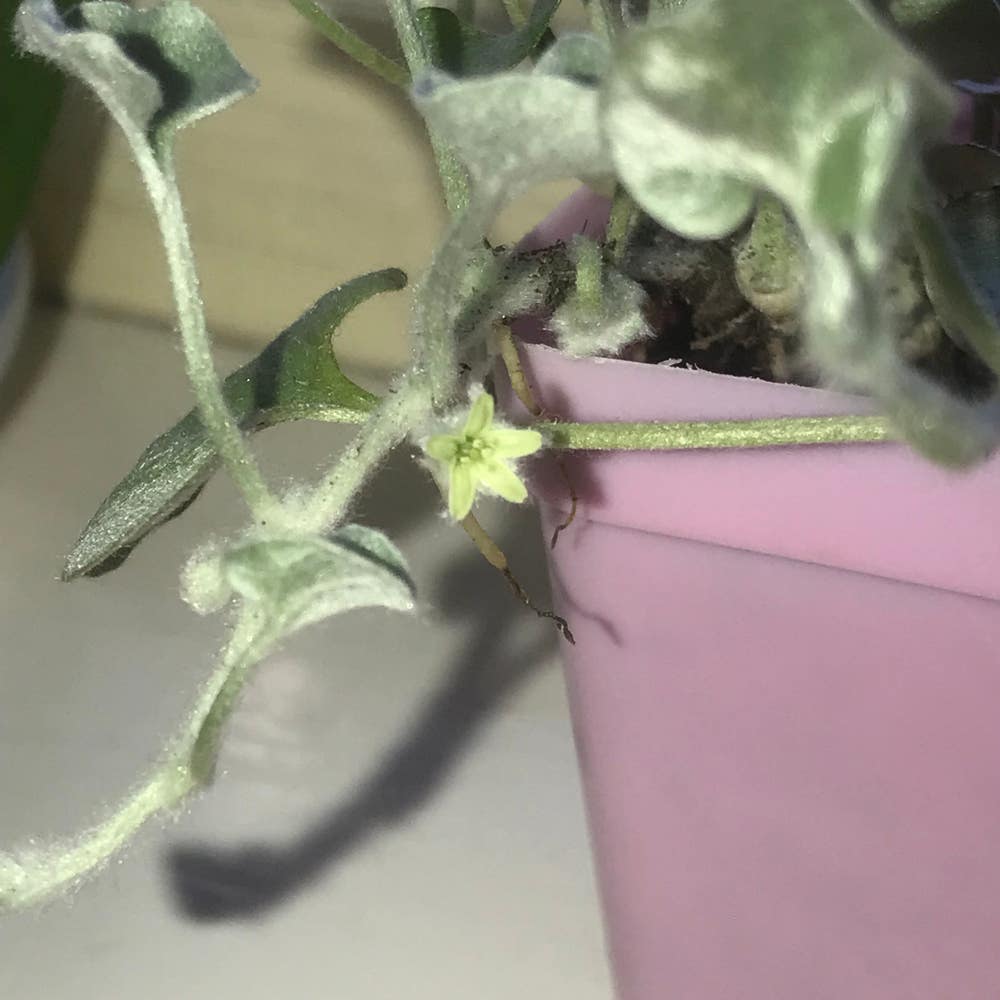
Why Are My Emerald Falls Dichondra Leaves Curling?
Dichondra argentea 'Emerald Falls'
By the Greg Editorial Team
Mar 01, 2024•3 min read
This article was created with the help of AI so we can cover more plants for you. May contain errors. See one? Report it here.
- Temperature and water extremes cause Dichondra leaves to curl.
- Pests and diseases like aphids and powdery mildew also lead to curling.
- Consistent care and monitoring prevent and fix leaf curling issues.
Pinpointing the Culprits Behind Curly Leaves
♨️ Heat, Cold, and Drought Stress
Emerald Falls Dichondra leaves curling? Temperature extremes and lack of water could be to blame. When it's sweltering, leaves curl to save moisture; in the cold, they minimize exposed surface area. A thirsty Dichondra might curl its leaves in a desperate attempt to conserve water.
💧 Water Woes: Over and Under
Overwatering can drown your Dichondra's roots, leading to a curling escape attempt by the leaves. Underwatering, on the other hand, prompts an upward curl as if the leaves are reaching out for help. Proper drainage is non-negotiable; without it, expect a soggy, unhappy plant.
🐜 Unwanted Guests: Pests
Pests are uninvited diners at your Dichondra's table. Aphids and spider mites see your plant as an all-you-can-eat buffet, with curling leaves often the first sign of their feast. These tiny invaders can wreak havoc if not promptly evicted.
🍄 Fungal Foes and Diseases
Diseases can also lead to leaf curling. Fungal infections like powdery mildew cloak leaves in a ghostly film, while bacterial infections cause spots and blights. If your Dichondra's leaves are curling, discoloring, or looking wilted, it's time to play plant doctor.
Turning the Tide: Fixing Curly Leaves
🌿 Adjusting the Environment
Stability is key for Emerald Falls Dichondra. Shield the plant from extremes in temperature and drafts that can stress it out and cause leaf curling.
💧 Watering Wisdom
The goal is consistent moisture. Check the top inch of soil; if it's dry, it's time to water. Ensure the pot has drainage holes to prevent waterlogging.
🐜 Pest Patrol Tactics
Inspect leaves regularly for unwelcome guests. If pests are spotted, use insecticidal soap or horticultural oil. Keep the plant clean to deter future infestations.
🦠 Disease Defense
Avoid wetting the leaves to reduce the risk of fungal diseases. If disease strikes, targeted fungicide applications may be necessary. Remember, prevention is easier than cure, so maintain good air circulation.
Staying Ahead: Prevention is Key
🌱 Proactive Plant Parenting
Cultivating a nurturing environment is your first line of defense against leaf curling in Emerald Falls Dichondra. Ensure your plant has the right balance of light, water, and nutrients. Think of it as setting the stage for a top-notch performance where leaf curling is not on the playbill.
👀 Vigilant Monitoring
Stay sharp and keep an eye out for the early signs of trouble. Discoloration, odd growth patterns, or the dreaded curl—all red flags. It's less about being a helicopter parent and more about being a savvy guardian of greenery.
🔄 Consistent Care
Establish a routine that's as regular as your morning coffee. Watering, feeding, pruning—get it all down to a science. This isn't about coddling; it's about providing a stable environment where your Dichondra can thrive without throwing a leaf-curling fit.
⚠️ Safety First
This content is for general information and may contain errors, omissions, or outdated details. It is not medical, veterinary advice, or an endorsement of therapeutic claims.
Always consult a qualified healthcare professional before using any plant as food, medicine, or supplement.
Never eat any plant (or feed one to pets) without confirming its identity with at least two trusted sources.
If you suspect poisoning, call Poison Control (800) 222-1222, the Pet Poison Helpline (800) 213-6680, or your local emergency service immediately.
Spotted an error? Please report it here.
Keep your Emerald Falls Dichondra's leaves perfectly unfurled 🌿 with Greg's personalized care reminders that tackle temperature, watering, and pests.