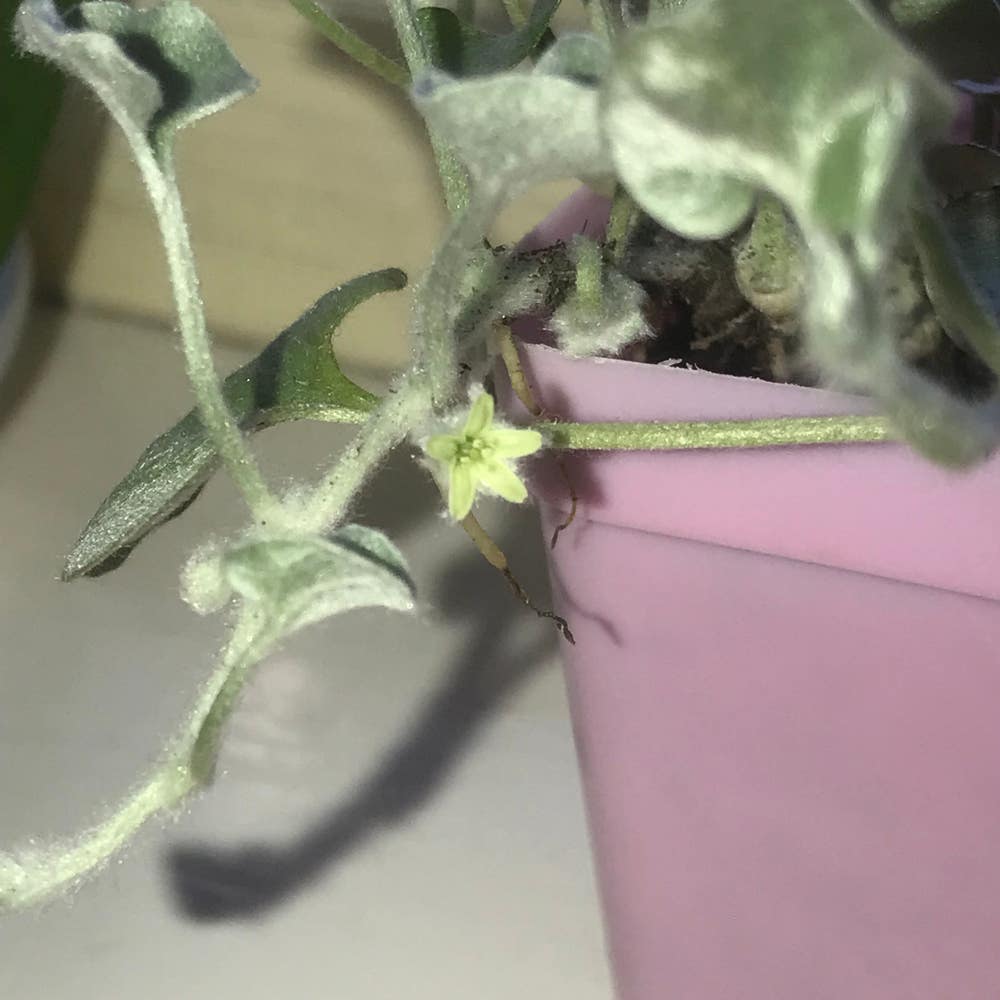
Emerald Falls Dichondra Fertilizer: How and When to Use It
Dichondra argentea 'Emerald Falls'
By the Greg Editorial Team
Mar 01, 2024•3 min read
This article was created with the help of AI so we can cover more plants for you. May contain errors. See one? Report it here.
- Balanced NPK ratio is key for Dichondra blooms.
- Time fertilization with growth cycle; start in spring, taper before frost.
- Over-fertilization signs: yellow leaves, brown edges, crust on soil.
Picking the Right Fertilizer for Fabulous Flowers
💐 Balanced Diet for Blooms
NPK ratio is non-negotiable for flowering plants. Your Emerald Falls Dichondra needs a balanced meal to bloom. Look for fertilizers with equal parts nitrogen (N), phosphorus (P), and potassium (K). Phosphorus is particularly vital for those vibrant flowers.
🕰 Slow-release vs. Liquid Fertilizers
Slow-release fertilizers are the marathon runners, providing nutrients over time. They're ideal if you're not into constant garden fuss. Liquid fertilizers, on the other hand, are the sprinters—fast and furious with their nutrient delivery, but they'll need more frequent application.
🌱 Organic Options
When the organic route calls, compost and organic fertilizers are your go-to. They release nutrients at a slower pace, which is kinder to your Dichondra and the environment. Plus, they improve soil structure along the way.
Timing is Everything: When to Fertilize for Peak Blooms
🌱 Growth and Bloom Cycles
Emerald Falls Dichondra's growth cycle dictates fertilization timing. Begin when the plant shifts from vegetative growth to bloom preparation. This is the pre-blooming phase, where phosphorus is key for setting the stage for vibrant flowers.
📅 Seasonal Smarts
Spring is the starting gun for fertilization; your Dichondra is waking up. As summer rolls in, keep the nutrient supply steady—think of it as keeping the energy drinks coming during a marathon. When fall approaches, ease off about 8 weeks before the first frost to let your plant wind down. Winter? It's the off-season; let the soil rest.
Fertilizing Like a Pro
💪 The Right Amount
In the quest for the perfect bloom, it's easy to slip into the more-is-better trap. But when it comes to fertilizing your Emerald Falls Dichondra, precision is key. Half-strength liquid fertilizer is your go-to, applied just once a month. It's like a monthly subscription to plant health—regular but not overbearing.
🎯 Application Techniques
When applying fertilizer, think of yourself as a plant's personal chef—accuracy is crucial. Always water your Dichondra after fertilizing; it's like chasing a vitamin pill with water. For foliar feeding, avoid the blooms like you'd avoid texting an ex—nothing good comes from contact. Stick to the leaves, and keep the dilution rate on point to prevent the equivalent of a plant sunburn.
Oops, Too Much! Dealing with Over-Fertilization
🚨 Spotting Trouble
Yellowing leaves with dark-green veins often scream nutrient imbalance. If your Dichondra's edges are turning brown, it's likely shouting for a break from the buffet of fertilizer. A white crust on the soil's surface isn't a quirky garden decoration—it's a distress signal. Stunted growth or a lack of flowers, despite your best efforts, can also indicate that you've been too generous with the feed.
🛠️ Quick Fixes
Caught red-handed with the fertilizer spreader? First, stop all fertilization to give your Dichondra a breather. If you spot a crust of fertilizer, remove it—think of it as decluttering your plant's living space. Next, it's time for a thorough flush. Drench the soil with water to wash away the excess nutrients, repeating every few days and watching for signs of recovery. Prune away the damaged parts; it's like giving your plant a haircut to get rid of the split ends. For potted plants, consider repotting with fresh, nutrient-free soil. Patience is key—hold off on the fertilizer and let your Dichondra bounce back. Remember, when it comes to plant food, less is often more.
⚠️ Safety First
This content is for general information and may contain errors, omissions, or outdated details. It is not medical, veterinary advice, or an endorsement of therapeutic claims.
Always consult a qualified healthcare professional before using any plant as food, medicine, or supplement.
Never eat any plant (or feed one to pets) without confirming its identity with at least two trusted sources.
If you suspect poisoning, call Poison Control (800) 222-1222, the Pet Poison Helpline (800) 213-6680, or your local emergency service immediately.
Spotted an error? Please report it here.
Ensure your Emerald Falls Dichondra flourishes 🌿 with Greg's precise watering and fertilizing reminders, tailored to your plant's growth cycle and seasonal needs.