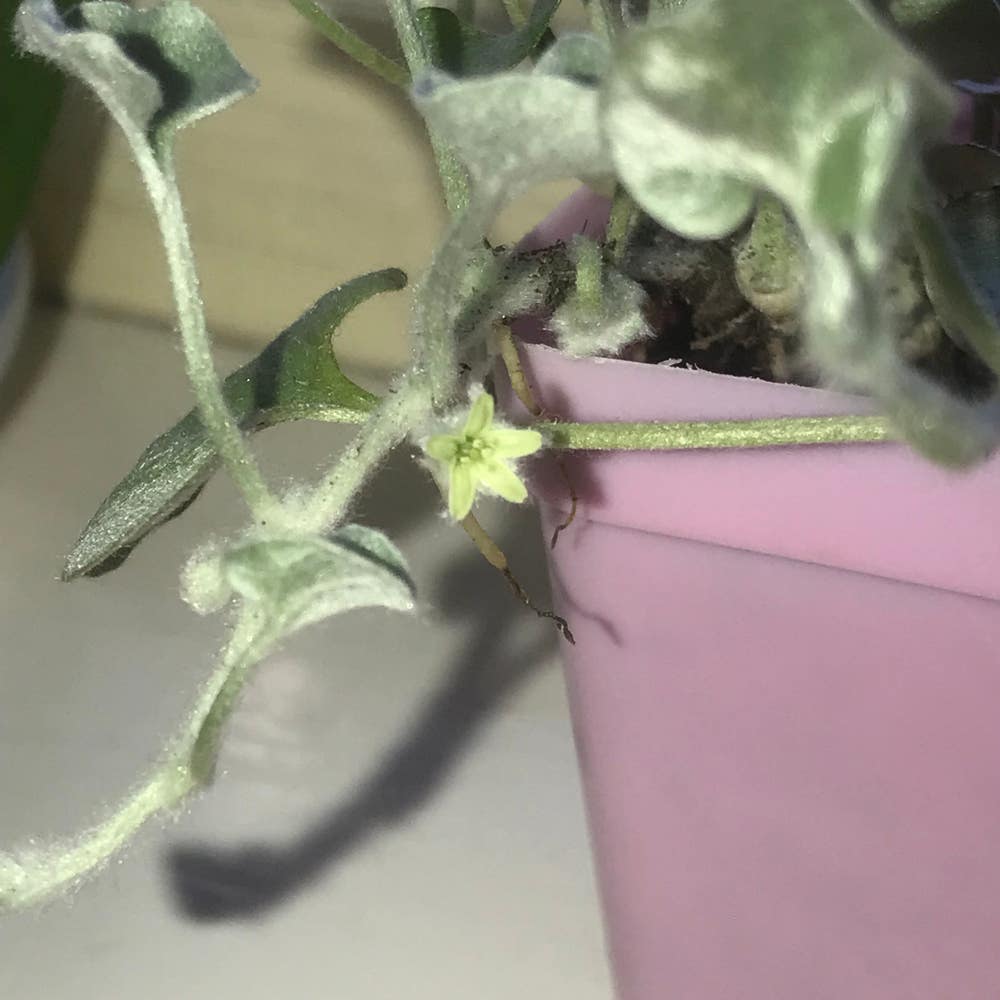
Black Spots on My Emerald Falls Dichondra Leaves
Dichondra argentea 'Emerald Falls'
By the Greg Editorial Team
Mar 01, 2024•3 min read
This article was created with the help of AI so we can cover more plants for you. May contain errors. See one? Report it here.
- Black spots grow from specks to blotches, often on leaf undersides.
- Copper-based fungicides combat fungi; quarantine to prevent spread.
- Prevent with root watering, airflow, cleanliness, and pruning.
Spotting the Culprit: Recognizing Black Spots
👀 Visual Cues
Black spots on your Emerald Falls Dichondra are not a sign of plant couture. They start as tiny specks, often less than ⅛ inch in diameter. Ignore them, and they'll grow into larger, more troubling blotches.
🎯 Spot Patterns
The first hideout for these spots is usually the undersides of leaves. It's a stealthy invasion, and if you're not flipping leaves during inspections, you're missing the action. Spots can show up as dark margins or with concentric rings, signaling it's time to act.
🕵️ Diagnostic Tips
Patterns matter. Are the spots a uniform army or a random splatter across the leaf? Do they have defined borders, or do they fade into the leaf like a watercolor mishap? These details are crucial for identifying your leaf's unwelcome guests.
🕒 Early Identification
Check the location of these spots. Are they on the new recruits or the old guard leaves? Noting the number and size of the spots is like taking fingerprints at a crime scene—it's essential for the right diagnosis.
🤔 Common Confusions
Don't mistake a black spot for a natural leaf marking. Unlike natural markings, which are usually uniform and symmetrical, black spots from pests or diseases appear randomly and can spread.
📏 Size and Spread
Gauge the extent of the invasion. Are we talking a few freckles or a full-on breakout? The texture of these spots can vary—some may feel like a scab, others are sunken, betraying a loss of plant vitality.
Section
Battling the Blight: Effective Treatment Strategies
🍄 Fungicide to the Rescue
Choosing the right fungicide can feel like navigating a maze blindfolded. But here's the thing: not all fungicides are created equal. Copper-based products are often the MVPs in the fight against fungal infections. They act like a barrier, keeping those pesky spores at bay.
When applying fungicides, think of it as applying sunscreen – cover every leaf. No shortcuts. Missed spots are like leaving the door wide open for fungal gatecrashers. And always, always stick to the label's directions – it's the law of the land for plant care.
🦠 Bacterial Warfare
If bacteria are throwing a party on your plants, it's time to crash it. Copper-containing compounds can act like bouncers, keeping the bacterial riff-raff in check. But remember, they're more about containment; they won't turn back time on already damaged leaves.
And let's talk about quarantine – it's not just for pandemics. Isolating affected plants can stop the spread faster than gossip in a small town. It's a tough love approach, but sometimes you've got to be cruel to be kind to the rest of your plant collection.
Keeping the Spots at Bay: Prevention Tactics
💧 Water Wisely
Water at the root to avoid moisture on the leaves which can invite fungal growth. Use a moisture meter or your finger to check the soil's dryness before watering. Early morning is the best time to water, allowing any excess moisture to evaporate throughout the day.
🌬 Circulate and Separate
Airflow is crucial for preventing black spots. Space out your plants to ensure they're not too cozy with each other, reducing the risk of moisture buildup and pathogen spread. Use fans if necessary to keep the air moving, especially in indoor settings.
🧼 Cleanliness is Key
Keep your gardening tools sanitized; think of them as medical instruments for your plants. Regularly remove any fallen leaves or debris around your Emerald Falls Dichondra to prevent fungal and bacterial hotspots. Pruning can also improve air circulation, so don't shy away from giving your plants a trim when needed.
⚠️ Safety First
This content is for general information and may contain errors, omissions, or outdated details. It is not medical, veterinary advice, or an endorsement of therapeutic claims.
Always consult a qualified healthcare professional before using any plant as food, medicine, or supplement.
Never eat any plant (or feed one to pets) without confirming its identity with at least two trusted sources.
If you suspect poisoning, call Poison Control (800) 222-1222, the Pet Poison Helpline (800) 213-6680, or your local emergency service immediately.
Spotted an error? Please report it here.
Prevent black spots on your Emerald Falls Dichondra with Greg's custom care reminders 🛡️, ensuring your plant stays healthy and thriving.