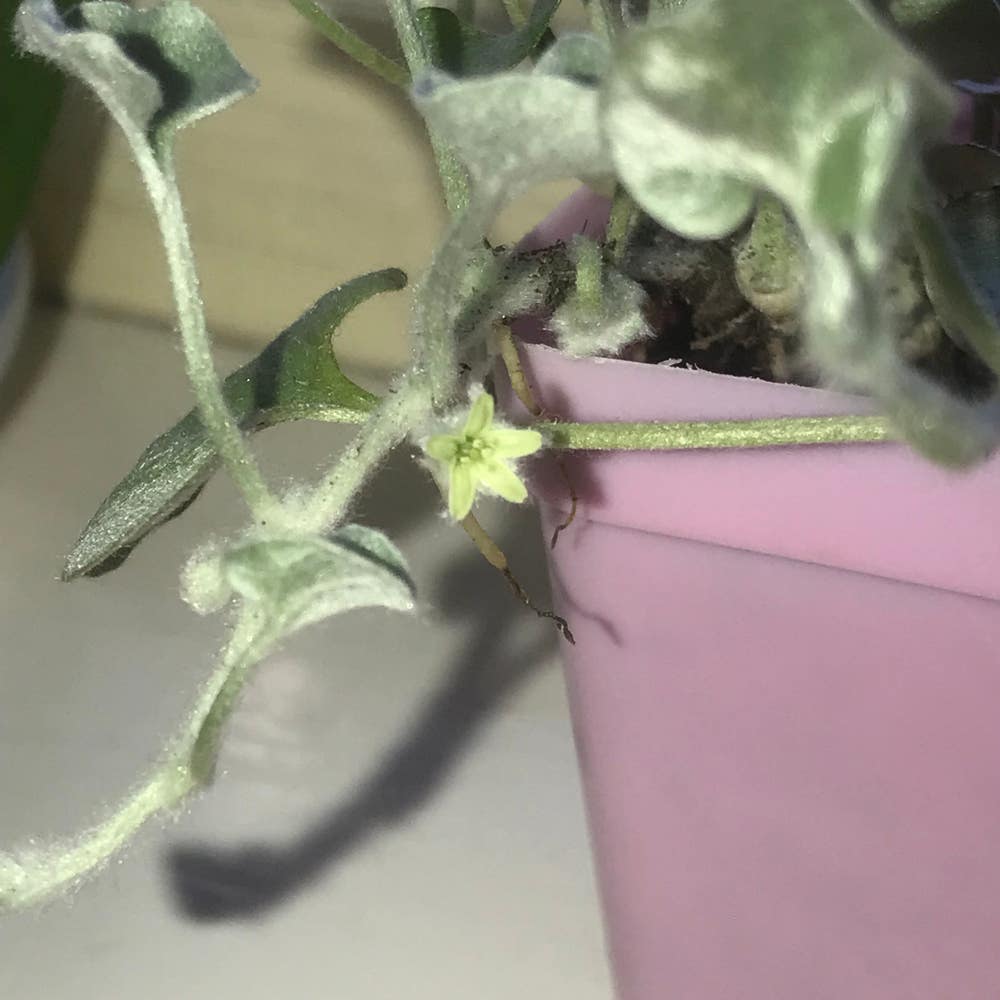
🐞 What Are The Bugs on My Emerald Falls Dichondra?
Dichondra argentea 'Emerald Falls'
By the Greg Editorial Team
Mar 01, 2024•4 min read
This article was created with the help of AI so we can cover more plants for you. May contain errors. See one? Report it here.
- Spider mites and scale - look for webbing, bumps, and treat with oils or alcohol.
- Fungus gnats love moisture, control by drying soil and using sticky traps.
- Regular checks prevent damage, identify pests early for a healthy Dichondra.
Spotting the Invaders: Common Pests on Emerald Falls Dichondra
🕷️ Spider Mites: The Sneaky Sap-Suckers
Tiny but mighty, spider mites can turn your lush Emerald Falls Dichondra into a withered display. Look for fine webbing and a speckled, dusty appearance on leaves—a sure sign these pests have moved in.
🛡️ Fight back: Effective treatments for these tiny terrors.
Blast them away with a strong stream of water or apply horticultural oil to smother the mites. For severe infestations, miticides can be a last resort.
🚪 Keep them out: Tips to prevent a spider mite takeover.
Keep humidity high; spider mites despise moist environments. Regularly inspect the undersides of leaves and isolate any new plants to prevent an unwelcome spider mite invasion.
🦟 Scale: Sticky Freeloaders
If you spot waxy bumps on your Dichondra, you've got scale. These pests cling to stems and leaves, sapping the plant's strength and excreting sticky honeydew.
🛡️ Eviction notice: Safe and effective removal methods.
Rubbing alcohol on a cotton swab can dislodge these pests, or you can opt for horticultural oil to tackle a larger infestation.
🏰 Fortify your plant: Preventing scale from settling in.
Regularly wipe down leaves and prune any infested areas. Introduce natural predators like ladybugs, which love to feast on scale insects.
🦟 Fungus Gnats and Fruit Flies: The Soil Lurkers
Fungus gnats and fruit flies are more than a nuisance; they can harm your Dichondra by laying eggs in the soil, leading to damaging larvae.
🐜 Ground control: Eradicating larvae and adults from your Dichondra.
Yellow sticky traps catch adult flies, while letting the soil dry out between waterings can kill off the larvae.
🏜️ Dry tactics: Soil moisture management to deter gnats and flies.
Overwatering is an open invitation for these pests. Monitor soil moisture closely and ensure proper drainage to keep them at bay.
🐛 Mealybugs: The Fluffy Fiends
Mealybugs look like tiny cotton clusters and can quickly weaken your Dichondra by sucking out its sap.
🧹 Clean sweep: Targeted treatments to rid your plant of mealybugs.
Isopropyl alcohol applied with a cotton swab can remove mealybugs on sight. For larger problems, insecticidal soap or neem oil can be effective.
🚫 Quarantine protocol: Steps to keep mealybugs at bay.
Isolate any affected plants immediately. Regularly check your Dichondra for signs of these pests and maintain cleanliness around your plant.
🪰 Tailored Tactics for Other Pests
Aphids, whiteflies, and thrips can also wreak havoc on your Dichondra, each requiring a unique strategy to manage.
🦗 Aphids, whiteflies, and thrips: Spotting and stopping these common culprits.
Aphids cluster on new growth; whiteflies scatter when disturbed; thrips leave silvery trails. Insecticidal soap or a strong water spray can help control these pests.
🛡️ Customized countermeasures: Specific strategies for each pest type.
Introduce beneficial insects like lacewings for aphids, use yellow sticky traps for whiteflies, and prune affected areas to manage thrips. Always opt for the least invasive treatment first, escalating only as necessary.
When Good Plants Go Bad: Signs of Pest Infestation
🐜 Visual Cues: Healthy vs. Infested Emerald Falls Dichondra
Emerald Falls Dichondra, with its cascading foliage, should display vibrant green leaves. When pests invade, the plant may exhibit yellowing or browning leaves, stunted growth, and unexpected leaf drop. Webbing on the plant suggests spider mites, while a cottony substance indicates mealybugs. Sticky residue or bumps on stems and leaves often point to scale or aphid issues.
🌱 The Ripple Effect: Plant Health Impact
Pests can trigger a domino effect in plant health. Initial symptoms like discolored leaves or slowed growth can escalate, leading to widespread damage or even plant death. Overwatering, which Emerald Falls Dichondra is prone to, can attract fungus gnats, compounding stress on the plant. Regular inspection and prompt treatment are critical to prevent these invaders from taking a toll on your Dichondra's health.
⚠️ Safety First
This content is for general information and may contain errors, omissions, or outdated details. It is not medical, veterinary advice, or an endorsement of therapeutic claims.
Always consult a qualified healthcare professional before using any plant as food, medicine, or supplement.
Never eat any plant (or feed one to pets) without confirming its identity with at least two trusted sources.
If you suspect poisoning, call Poison Control (800) 222-1222, the Pet Poison Helpline (800) 213-6680, or your local emergency service immediately.
Spotted an error? Please report it here.
Prevent overwatering and protect your Emerald Falls Dichondra from pesky invaders with Greg's moisture monitoring 🌧 and tailored plant care alerts!