🌞 Is Direct Sunlight Good for My Emerald Falls Dichondra?
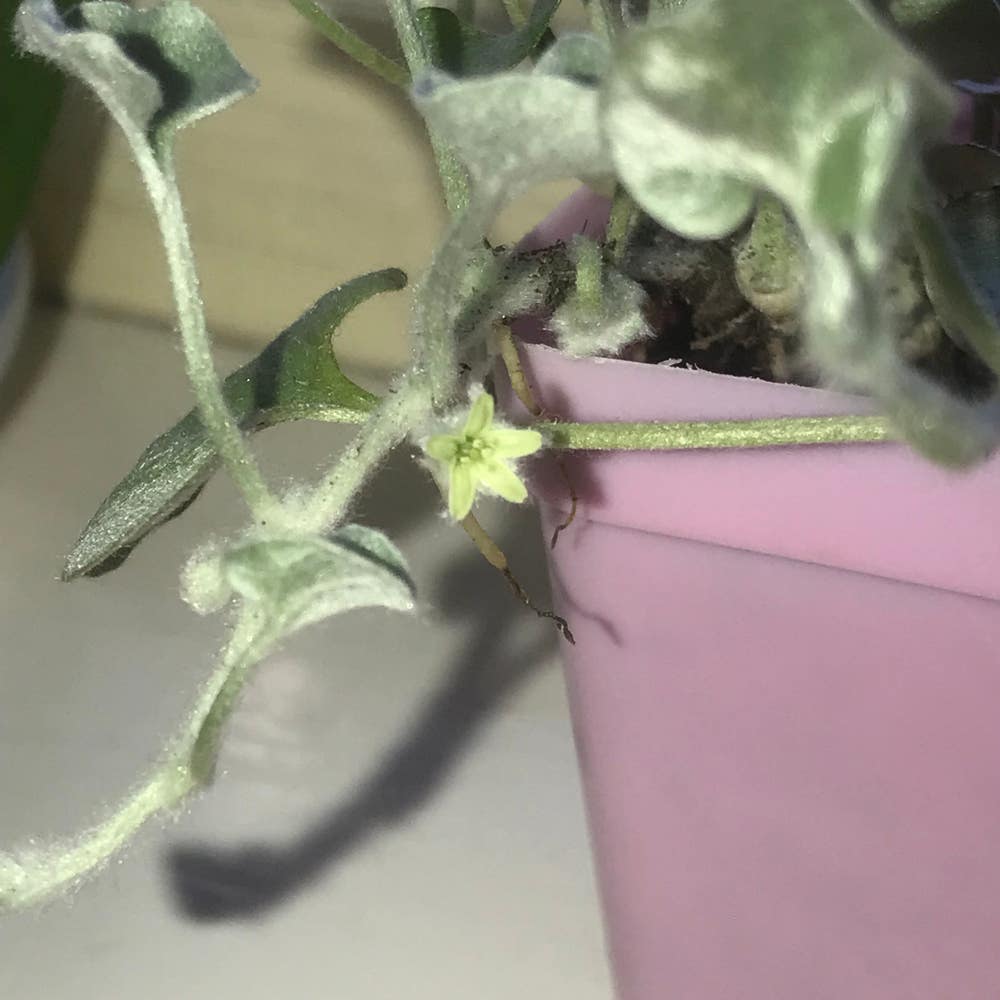
Dichondra argentea 'Emerald Falls'
By the Greg Editorial Team
Mar 01, 2024•4 min read
This article was created with the help of AI so we can cover more plants for you. May contain errors. See one? Report it here.
- 🌞 Direct sunlight promotes growth, but balance is key to avoid leaf scorch.
- Window direction matters; choose north or south based on your hemisphere.
- Watch for leaf discoloration to gauge if your Dichondra needs more or less sun.
Sunlight Decoded for Emerald Falls Dichondra
🌞 What exactly is direct sunlight?
Direct sunlight is the unfiltered solar energy that beams down on your Emerald Falls Dichondra, casting sharp, defined shadows. It's the equivalent of a plant's day at the beach under the midday sun.
🌞 Can Emerald Falls Dichondra soak up the sun?
Emerald Falls Dichondra has a love affair with full sun, thriving in the generous light that promotes lush, vibrant growth. This plant's heat and drought tolerance make it a sun worshipper, capable of bouncing back from wilting with ease. However, it's crucial to strike a balance to prevent the leaves from getting too much of a good thing.
Through the Looking Glass: Window Direction and Your Plant
🧭 The compass of light: How window direction affects your Dichondra
North-facing windows are the introverts of the plant world, offering a consistent, gentle light that won't overwhelm your Emerald Falls Dichondra. East-facing windows serve up a soft morning light, like a warm-up session for your plant's photosynthetic needs. On the other hand, south-facing windows are the sun's stage, delivering a spotlight of bright light for the majority of the day—perfect for those Dichondras that love a good sunbath. West-facing windows? They're the afternoon's intense power hour, which can be a bit much; think of them as the overzealous gym coach that could push your plant too hard.
🌐 Hemisphere highlights: Why it matters for your trailing buddy
Your spot on the globe isn't just for bragging rights; it's a game-changer for your Emerald Falls Dichondra's sunbathing routine. In the Northern Hemisphere, south-facing windows are the VIP lounge for sunlight. Flip the script in the Southern Hemisphere, and it's the north-facing windows that steal the show. It's like your plant's personal sun compass flips depending on whether you're sipping eggnog or iced tea during the holidays. Keep this in mind, and you'll have a thriving Emerald Falls Dichondra that's perfectly poised to soak up the right amount of rays.
Sunbathing Rules for Emerald Falls Dichondra
🌞 Finding the sweet spot: Where to place your plant
Emerald Falls Dichondra craves bright light but recoils at the touch of the midday sun's fiery chariot. The ideal locale? A spot where the morning sun plays peek-a-boo or where the afternoon light gently caresses without scorching. East-facing windows are your plant's best friend, offering a buffet of light without the burn.
🛡️ When the sun's too strong: Protecting your Dichondra
Even the hardiest of plants can get a sunburn, and your Emerald Falls Dichondra is no exception. When the sun goes from warm hug to aggressive headlock, it's time for some sheer curtains to enter the ring. They're like sunglasses for your plant, filtering out the harshest rays. And if you're feeling crafty, a DIY shade cloth can be a game-changer during those peak UV hours. Remember, your plant's leaves should never look like they've just returned from a day at the beach without sunscreen.
Reading the Leaves: Signs Your Dichondra is Getting Too Much or Too Little Sun
🍂 The tell-tale signs of sun stress
Leaf discoloration is a red flag. If your Dichondra's leaves are sporting brown spots or edges, it's likely had a bit too much sun. On the flip side, leaves that look pale or washed out are craving more light.
Wilting can also indicate sunburn, especially if the soil is moist. Think of it as your plant's way of saying, "I've had enough!" Conversely, if the leaves are drooping and the soil is dry, your Dichondra might be parched and in need of a shady spot to recover.
🌞 Making the right move: Adjusting your plant's sunbathing schedule
If your Dichondra is showing signs of too much sun, relocate it to a spot with bright, indirect light. This could mean a few feet away from a sunny window or behind a sheer curtain.
For plants not getting enough rays, gradually move them closer to the light source. But don't rush it—sudden changes can shock your plant. Instead, inch it closer over a period of days or weeks.
Rotate your plant periodically to ensure all sides receive equal light, promoting even growth. Remember, consistency is key to keeping your Dichondra happy and healthy.
⚠️ Safety First
This content is for general information and may contain errors, omissions, or outdated details. It is not medical, veterinary advice, or an endorsement of therapeutic claims.
Always consult a qualified healthcare professional before using any plant as food, medicine, or supplement.
Never eat any plant (or feed one to pets) without confirming its identity with at least two trusted sources.
If you suspect poisoning, call Poison Control (800) 222-1222, the Pet Poison Helpline (800) 213-6680, or your local emergency service immediately.
Spotted an error? Please report it here.
Let Greg guide you to the ideal sunlight 🌞 for your Emerald Falls Dichondra, ensuring lush growth without the sunburn.