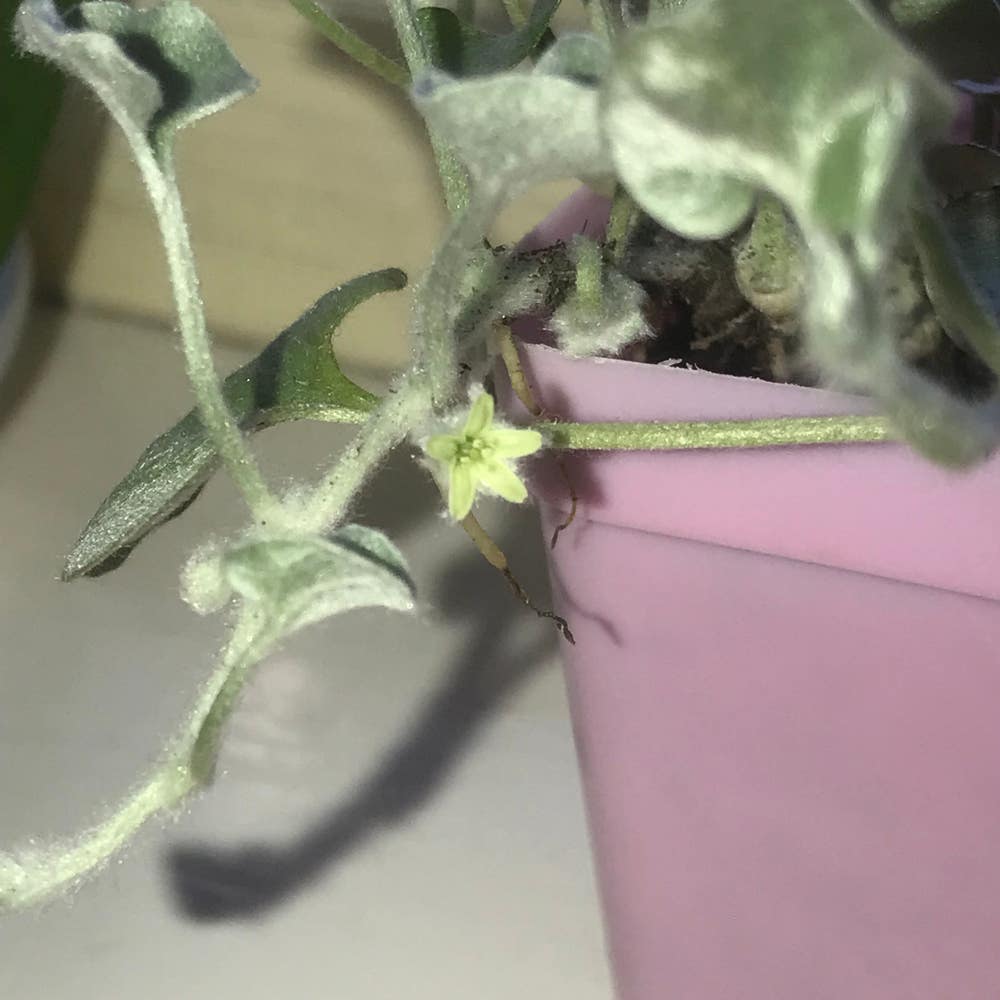
💧 How Much Humidity Does My Emerald Falls Dichondra Need?
Dichondra argentea 'Emerald Falls'
By the Greg Editorial Team
Mar 01, 2024•3 min read
This article was created with the help of AI so we can cover more plants for you. May contain errors. See one? Report it here.
- 40-50% humidity is ideal for Emerald Falls Dichondra.
- 🍃 Vibrant leaves signal perfect humidity; drooping or crispy leaves warn of imbalance.
- Use hygrometers to measure and humidifiers or dehumidifiers to adjust levels.
When Humidity Hits the Sweet Spot for Emerald Falls Dichondra
⛅️ What's the Ideal Range?
Perfect humidity is crucial for the lush foliage of Emerald Falls Dichondra. Aim for a relative humidity (RH) between 40-50%. This range strikes a balance, avoiding the extremes that can stress your plant.
Signs of Getting It Just Right
When your Emerald Falls Dichondra is living its best life in the humidity sweet spot, you'll notice vibrant, healthy leaves. They'll be neither crispy nor limp—just the right amount of turgid. It's like hitting the jackpot on a slot machine, but for plant care.
When Things Get Too Wet or Too Dry
🌧️ Too Much of a Good Thing
Excessive humidity can turn your Emerald Falls Dichondra into a sullen, soggy mess. Look out for leaves that seem to have lost their will to live, drooping with a defeated air. This isn't a sign of lush life; it's a cry for help. Fungal issues often follow suit, with your plant playing unwilling host to mold and rot. If the leaves feel like a squishy peach, it's time to dial down the dampness.
🏜️ A Dry Spell Disaster
Conversely, low humidity makes your Dichondra's leaves as crispy as autumn leaves. They'll curl up, trying to conserve moisture, like someone hugging themselves in a cold room. The soil will betray the thirst, pulling away from the pot edges like a receding tide. If your plant's leaves are more curled than a gymnast in a tumble routine, it's time to up the humidity ante.
Measuring and Adjusting Humidity Like a Pro
💧 Tools of the Trade
Hygrometers are non-negotiable for the diligent plant owner. These gadgets are like personal assistants, providing real-time humidity readings to keep your Emerald Falls Dichondra in its happy zone. Digital models are particularly user-friendly, offering memory functions to track fluctuations over time. Place them strategically, away from misleading drafts or heat sources, for the most accurate readings.
🌴 Boosting Humidity for Tropical Bliss
To ramp up the moisture, think beyond the spray bottle. Humidifiers are the heavy lifters here, effortlessly elevating the humidity to create a tropical haven for your plant. If you're more of a DIY enthusiast, group your plants together or set up a pebble tray with water; it's like throwing a humidity party, and your Dichondra is the guest of honor. Just remember, moderation is key; we're not aiming for a rainforest.
🌬 Bringing Down the Humidity Hype
Sometimes the air's too moist, and you need to dial it back. Enter dehumidifiers, the unsung heroes that can prevent your green oasis from turning into a swamp. If you're not keen on tech solutions, simply spacing out your plants can help. Keep an eye on your hygrometer; it'll tell you when you've hit the sweet spot, ensuring your Dichondra doesn't go from lush to mush.
Local Humidity and Your Emerald Falls Dichondra
🌡️ Understanding Your Environment
Your local climate is more than just a topic for small talk—it's a critical factor in your Emerald Falls Dichondra's well-being. Whether your home is naturally humid or dry, these conditions will dictate how you approach indoor plant care.
🌬️ Seasonal Shifts
Seasonal changes demand a shift in your humidity care strategy. As winter ushers in drier air with heating systems, you might need to ramp up your humidifying tactics. Conversely, summer might require a dial-back as natural humidity levels rise. Keep a vigilant eye on these shifts to ensure your Emerald Falls Dichondra remains in its happy zone year-round.
⚠️ Safety First
This content is for general information and may contain errors, omissions, or outdated details. It is not medical, veterinary advice, or an endorsement of therapeutic claims.
Always consult a qualified healthcare professional before using any plant as food, medicine, or supplement.
Never eat any plant (or feed one to pets) without confirming its identity with at least two trusted sources.
If you suspect poisoning, call Poison Control (800) 222-1222, the Pet Poison Helpline (800) 213-6680, or your local emergency service immediately.
Spotted an error? Please report it here.
Keep your Emerald Falls Dichondra flourishing 🌿 with Greg's tailored environment tracking, ensuring your green friend always enjoys the perfect humidity hug.