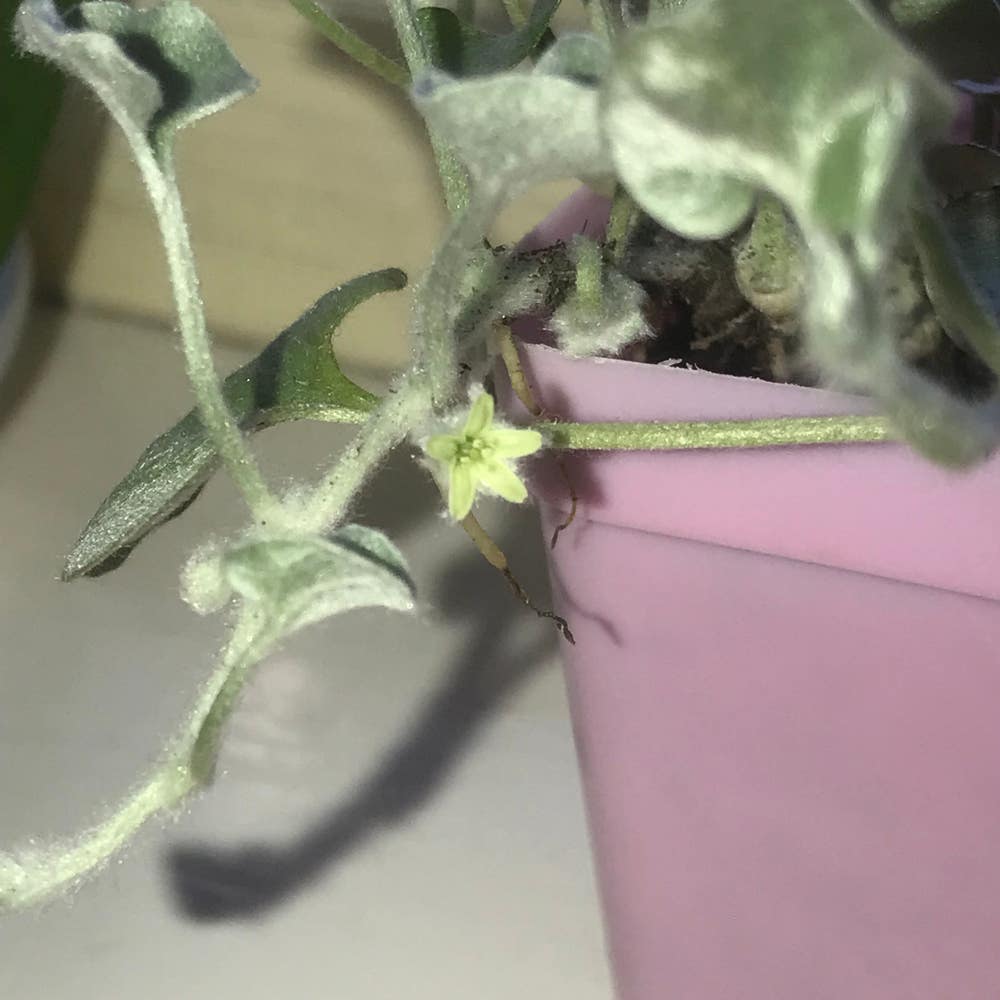
💧 Why Are My Emerald Falls Dichondra Leaves Mushy?
Dichondra argentea 'Emerald Falls'
By the Greg Editorial Team
Mar 01, 2024•4 min read
This article was created with the help of AI so we can cover more plants for you. May contain errors. See one? Report it here.
- Mushy leaves mean trouble; act fast to address overwatering and potential fungi.
- 🚿 Overwatering is a silent killer; let soil dry between waterings.
- 🌱 Use well-draining soil and pots to prevent water retention and root rot.
Spotting the Trouble Signs
🍂 Telltale Symptoms of Mushiness
Discoloration and sogginess are your Emerald Falls Dichondra's way of waving a white flag. If the leaves look like they've been through a steamroller—flaccid and defeated—it's a cry for help. Leaves should snap back, not cling to your fingers like wet paper.
Brown spots or a general yellowing? Not a good sign. They're not trying to join the autumn leaves; they're drowning in distress. And if touching them feels like prodding a soggy marshmallow, you've got a problem.
🚩 When to Be Alarmed
It's all about context. A slight droop after repotting? Might just be shock. But leaves that feel like they've given up on life? That's a red flag. If your plant's leaves are more mush than muscle, it's time to take action.
Consistency is your clue. A healthy leaf is like a firm handshake; a mushy one is a plea for an intervention. And if the stems have the integrity of overcooked spaghetti, it's high time to worry.
Foul odor or a base turning into a mushy mess? That's advanced trouble. It's not just about looks; it's about survival. Leaves should bounce back from a pinch, not linger in your grasp like a bad memory.
Rooting Out the Causes
💦 The Perils of Overwatering
Overwatering is the silent killer of Emerald Falls Dichondra. Too much H2O turns the soil into a swampy grave, suffocating roots and turning vibrant leaves into mushy disappointments. It's a classic case of love drowning its object. Soggy soil is a no-go; it's the fast track to root rot and the mushy leaf mayhem that follows.
🍄 Fungal Foes
Fungi are the uninvited party crashers in this tale of plant woe. They thrive in the dampness of over-loved soil, turning your Dichondra's leaves into their personal buffet. Humidity and stagnant air are their allies, creating the perfect storm for a fungal takeover. It's a battle of balance: too much moisture and poor air flow invite these microscopic menaces to thrive.
Turning the Tide on Mushiness
💧 Balancing the Watering Equation
Watering your Emerald Falls Dichondra is a balancing act. You want the soil moist, not drenched. Fine-tune your routine to ensure the soil's top layer has time to dry before the next watering. This pause allows roots to breathe and prevents waterlogged despair.
🌱 Let the Soil Breathe
Between waterings, the soil should have a moment of respite. Think of it as the plant's siesta; a time to recover and oxygenate. This practice is crucial in preventing the dreaded mushiness from taking hold.
🍄 Fungus Among Us: Getting Rid of It
When fungi decide to crash the party, it's time to show them the door. Choose fungicides with care, and apply them according to the label. Overuse can be more destructive than the fungi themselves.
🏡 Home Remedies for Mild Cases
For less severe fungal flirtations, a home remedy might suffice. A concoction of water, baking soda, and a drop of dish soap can work wonders. But if the situation escalates, don't shy away from commercial fungicides. They're the heavy artillery in your plant care arsenal.
Keeping Mushiness at Bay
💧 Water Wisely
Golden rules are not just for fairy tales when it comes to watering Emerald Falls Dichondra. Consistency is your plant's best friend. Water deeply, but only when the top inch of soil feels like a dry handshake—no moisture, just the facts. A moisture meter isn't overkill; it's your secret weapon against overzealous watering. No gadget? Your finger is a free alternative—poke it an inch into the soil to test for dryness.
🌱 Soil and Pot Perfection
Crafting the ideal home for your Dichondra means getting your hands dirty with the right soil mix. Think well-draining potting mix—peat, pine bark, and perlite are like the three musketeers for your plant's roots. Container choice is more than a style statement; it's a life-or-death decision for your Dichondra. Terracotta pots or any with ample drainage holes are your MVPs, wicking away excess moisture like a pro. Remember, a pot without drainage is a bathtub in disguise.
⚠️ Safety First
This content is for general information and may contain errors, omissions, or outdated details. It is not medical, veterinary advice, or an endorsement of therapeutic claims.
Always consult a qualified healthcare professional before using any plant as food, medicine, or supplement.
Never eat any plant (or feed one to pets) without confirming its identity with at least two trusted sources.
If you suspect poisoning, call Poison Control (800) 222-1222, the Pet Poison Helpline (800) 213-6680, or your local emergency service immediately.
Spotted an error? Please report it here.
Avoid the distress of mushy leaves 🚫 in your Emerald Falls Dichondra by using Greg to balance watering and protect against root rot with its smart reminders and care tips.