Why Are My Emerald Falls Dichondra Leaves Falling Over?
Dichondra argentea 'Emerald Falls'
By the Greg Editorial Team
Mar 01, 2024•5 min read
This article was created with the help of AI so we can cover more plants for you. May contain errors. See one? Report it here.
- Droopy leaves signal distress; look for pale spots or inward curling.
- Balance water and soil health; use moisture meters and well-draining soil.
- Protect from environmental stress; ensure proper light, temperature, and wind protection.
Spotting the Signs: Early Identification of Droopy Leaves
🚩 Recognizing the Early Warning Signs
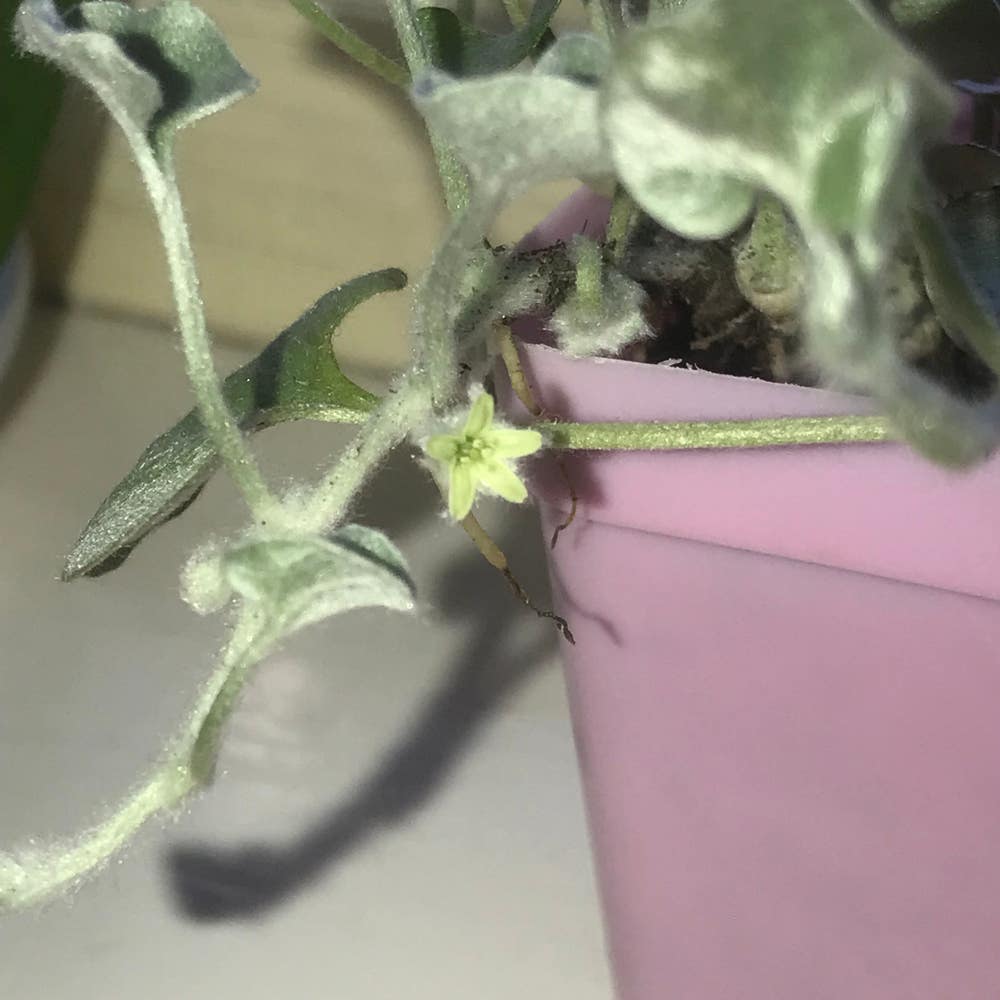
When your Emerald Falls Dichondra starts to look less like a cascade of green and more like a weeping willow, alarm bells should ring. Droopy leaves are the first hint that your plant might be in distress. Pale leaves, spots, or leaves curling inwards are the red flags you can't afford to ignore.
🕵️ Quick Checks for Problematic Drooping
Let's get hands-on. If you notice a leaf or two hanging down like a deflated balloon, it's time for a quick health check. Gentle pokes at the leaves should reveal if they're just temporarily tired or if they're sending an SOS. Stems bending more than a yoga instructor? That's a cry for help.
Natural Growth vs. Signs of Distress
It's a fine line between the natural lean of young, unfolding leaves and the droop of a plant in trouble. Consistent wilting or discoloration across multiple leaves is your clue that there's a deeper issue. If mature leaves are starting to resemble a hammock, it's intervention time.
Visual Clues to Look For
Keep an eye out for patterns. Are the lower leaves affected first, or is it a top-down tragedy? Spots, discoloration, or texture changes are your plant's way of saying, "Hey, I'm not okay!" Remember, early detection is crucial—it's the difference between a quick fix and a full-blown plant crisis.
Water Woes: Striking the Right Balance
💧 The Thin Line Between Hydration and Drowning
Overwatering and underwatering can both send your Emerald Falls Dichondra into a tizzy. The trick is to water deeply, letting the excess drain away without creating a mini pool party for your plant's roots.
🌡️ The Moisture Meter: Your Plant's Thirst Quencher
A moisture meter isn't just a gadget; it's your secret weapon. It takes the guesswork out of watering, letting you know when the soil is just right for another round.
🌦️ Seasonal Shifts: Tuning Your Watering Schedule
Your plant's thirst changes with the seasons. In the heat of summer, it's all about quenching that thirst. Come winter, it's time to ease up on the hydration. Always check the top inch of soil before giving your plant a drink.
🌤️ Weather Watch: Adapting to Environmental Cues
Keep an eye on the weather. A heatwave means your plant will guzzle water like there's no tomorrow, while cooler days call for restraint. Remember, a thirsty plant is better than a drowned one.
🌱 Soil Check: The Foundation of Watering Wisdom
If you're constantly battling overwatering, consider switching to a well-draining soil mix. It's like giving your plant a new lease on life, ensuring that water flows freely and roots stay healthy.
Soil and Roots: The Foundation of Upright Leaves
Well-draining soil is critical for Emerald Falls Dichondra. It's the bedrock that keeps your plant's feet dry and healthy. Without it, you're inviting a host of issues, droopy leaves being just the tip of the iceberg.
🌱 The Role of Well-Draining Soil
Drainage holes in your pot are non-negotiable. They're the escape route for excess water, preventing your plant's roots from drowning in moisture. Think of them as your plant's lifeline.
🌿 Root Health Check: Ensuring a Strong Support System
Roots in distress send up flares in the form of droopy leaves. If the soil clings to the roots like wet cement, it's a red flag. Root rot could be knocking at your door, and it's not a guest you want to entertain.
🌷 Repotting and Soil Amendment Tips
When repotting, choose a pot that's a size up and has ample drainage. Fresh soil should be like a breath of fresh air for your plant's roots. Mix in perlite or peat moss to keep things light and airy, ensuring your plant's roots can breathe easy.
🌱 Aeration Techniques
A simple poke around the soil with a chopstick can work wonders. It's like giving your plant's roots room to stretch. Compacted soil is a silent killer; aeration is your stealthy weapon against it.
Shielding from Stress: Environmental Factors Affecting Leaf Stability
🌞 Protecting Your Plant from the Elements
Bright, indirect light is the sweet spot for Emerald Falls Dichondra. Too much sun can lead to leaf droop, while insufficient light weakens the plant. Adjust the plant's location to avoid direct sunlight that can scorch its leaves.
💡 Finding the Sweet Spot for Light and Temperature
Consistent temperatures are crucial for leaf stability. Sudden changes in temperature can cause stress, leading to droopy leaves. Aim for a stable temperature range, ideally between 18-24°C (64-75°F), to maintain a healthy plant.
🛡️ Wind Protection: Keeping Your Dichondra Steady
Your plant doesn't appreciate gusty conditions. Wind can cause physical damage and increase water loss, leading to droopiness. Place your Dichondra in a sheltered location or use barriers to block strong winds and create a more stable environment.
Proactive Plant Parenting: Preventing Future Flops
💡 Crafting the Perfect Environment
Bright, indirect light is the sweet spot for your Emerald Falls Dichondra. It's like the difference between a sunburn and a golden tan—your plant needs just enough. Ensure the temperature is stable, without sudden drops that could send your plant into shock. Consistent humidity also plays a role; think of using a pebble tray or humidifier to keep the air around your plant just moist enough.
🕵️ Regular Health Checks
Get up close and personal with your Dichondra. Look for signs of distress such as unusual leaf discoloration or texture changes. A regular inspection can catch issues before they escalate. Make sure the stems are firm and the leaves are perky. If they're not, it's time to troubleshoot—stat.
🚑 When to Seek Professional Help
If you've tried all the tricks in the book and your Dichondra still looks more like a weeping willow, it might be time to call in the cavalry. Professional help can be invaluable when you're stumped. Don't let pride get in the way of your plant's health—sometimes, a fresh pair of expert eyes can spot something you've missed.
⚠️ Safety First
This content is for general information and may contain errors, omissions, or outdated details. It is not medical, veterinary advice, or an endorsement of therapeutic claims.
Always consult a qualified healthcare professional before using any plant as food, medicine, or supplement.
Never eat any plant (or feed one to pets) without confirming its identity with at least two trusted sources.
If you suspect poisoning, call Poison Control (800) 222-1222, the Pet Poison Helpline (800) 213-6680, or your local emergency service immediately.
Spotted an error? Please report it here.
Ensure your Emerald Falls Dichondra stays resilient and lush 🌿 with Greg's support in fine-tuning watering schedules and providing care reminders to sidestep those droopy-leaf dilemmas.