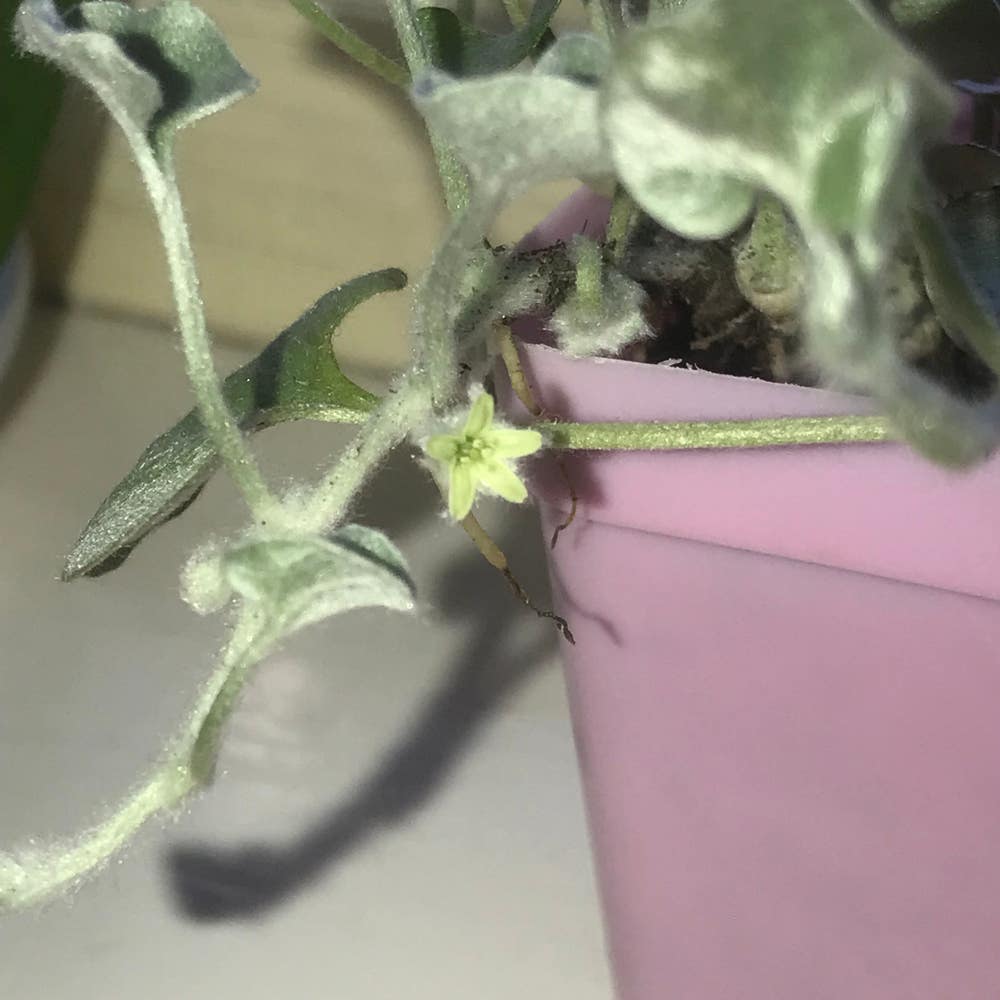
Why Are My Emerald Falls Dichondra Leaves Dropping?
Dichondra argentea 'Emerald Falls'
By the Greg Editorial Team
Mar 01, 2024•5 min read
This article was created with the help of AI so we can cover more plants for you. May contain errors. See one? Report it here.
- 🍂 Yellowing, wilting, or bare stems signal your Dichondra needs care.
- 💧 Water correctly: Too much or too little can cause leaf drop.
- 🌡️🌞 Balance temperature and light to prevent environmental stress.
Spotting the Trouble Signs
💛 Yellowing Leaves: A Precursor to the Drop
Yellowing leaves aren't just going out of style; they're a distress flare from your Emerald Falls Dichondra. If it's not just the old-timers changing color, you've got a situation on your hands.
🥀 Wilted Ambitions: When Leaves Lose Their Perk
Leaves drooping like they've lost all hope? That's your cue. Wilted leaves mean your plant's in a funk, and it's not about to snap out of it without a little help from you.
🌱 Bare Stems: The Aftermath of Leaf Drop
When your plant starts looking more like a twiggy sculpture than a lush cascade, it's bare stem o'clock. Leaf drop is the final act in this tragedy, and it's time to figure out why the curtain's coming down.
Water Woes: Too Much or Too Little
💦 Drowning Roots: The Overwatering Slip-up
Spotting the Signs
Yellow leaves are the warning lights of overwatering. If your plant's soil feels like a soggy mess, it's time to cut back on the water. Overwatering can turn roots into a mushy disaster, akin to overcooked vegetables.
How to Dry Out the Situation
Stop watering immediately and let the soil dry out. If root rot is the diagnosis, it's surgery time: remove the plant, trim the dead roots, and repot in well-draining soil. Think of it as a plant reboot.
🏜️ Thirsty Greens: The Underwatering Oversight
Recognizing the Drought
When leaves droop and the soil is as dry as a bone, your plant is sending an SOS for hydration. Crispy leaf edges are the plant's version of a dehydration headache.
Quenching the Thirst Correctly
It's not just about dumping water; it's about a consistent routine. Water deeply to encourage roots to seek moisture from below. Before watering again, check if the top inch of soil is dry—this is the sweet spot for the next drink.
Battling the Elements: Environmental Stress
🌡️ Heat Wave and Chills: Temperature Tantrums
Temperature stress can turn your Emerald Falls Dichondra from lush to lackluster. Leaves might start throwing a fit, looking more like overcooked spinach than vibrant cascades. Drafty spots or too-close-for-comfort heaters are often the culprits.
🌡️ Identifying Temperature Stress
Look for leaves that have taken on a pale persona or adopted a droopy demeanor. If they're more limp than a wet noodle, it's time to reassess their living conditions.
🌡️ Adjusting the Thermostat for Your Plant
Keep the temperature steady, aiming for that sweet spot between 70-85°F (21-29°C). It's not about coddling your plant, but avoiding extremes that make it want to shed its leafy wardrobe.
🌞 Light and Shadow Play: Finding the Sweet Spot
Light levels are like the plant version of social media: too much or too little, and things start to wilt. Your Dichondra is craving that bright, indirect light—think of it as the plant equivalent of a perfectly filtered selfie.
🌞 Signs of Too Much Sun or Too Little Light
Sunburnt leaves? They'll look more toasted than a marshmallow at a campfire. Not enough light? You'll see your plant stretching out like it's trying to snag the remote from across the room.
🌞 Balancing the Light Diet
Adjust your plant's placement to avoid the midday sun's harsh glare—no one enjoys a sunburn, not even your Dichondra. Conversely, if it's too shady, consider a spot where the light is just right—like a cozy reading nook for your green buddy.
Feeding Frenzy: Nutrient Deficiency and Overload
🌱 Starved for Attention: Spotting Nutrient-Poor Symptoms
Your Emerald Falls Dichondra isn't just being dramatic; yellow leaves or stunted growth scream nutrient deficiency. Diagnosing the deficiency means playing plant detective—check for pale leaves (nitrogen), frail stems (phosphorus), or brown edges (potassium).
🍹 Crafting the Perfect Nutrient Cocktail
Once you've pinpointed the problem, it's mixology time. Opt for a balanced fertilizer—think of it as a tailored suit for your plant, fitting its specific needs. But remember, moderation is key; too much and you're tipping from nutrient-rich to root burn territory.
🚨 Overfed and Underwhelmed: The Signs of Excess
If your Dichondra's leaves are browning at the tips or you see white crust on the soil, you've likely gone overboard. Detecting nutrient overload is about observing these subtle hints that your plant is stuffed with more than it can handle.
🛑 Dialing Back on the Feed
To fix an overfed plant, first, stop fertilizing and flush the soil with water to leach out excess nutrients. Then, take a breather and wait. Your plant needs time to recover from the nutrient binge, just like you would after a hefty meal. When you resume feeding, think 'snack-size,' not 'feast.'
Pests and Pathogens: Unwanted Guests
🐛 Bug Hunt: Identifying and Evicting Pests
Common culprits in the Emerald Falls Dichondra's world include spider mites, aphids, and mealybugs. These pests are the ultimate freeloaders, sapping strength from your plant. Look for webbing, sticky residues, or cotton-like substances on the leaves and stems.
🚪 Natural and Chemical Eviction Notices
To kick these pests out, start with neem oil or insecticidal soap—nature's own eviction crew. If they're stubborn, you might need to escalate to chemical pesticides. Remember, read the label; it's like the rulebook in this game of plant protection.
🍄 Fungal Foes and Bacterial Baddies: Disease Diagnosis
Fungal and bacterial diseases often start as unsightly spots on leaves. These are the tell-tale signs of a party gone wrong in your plant's ecosystem. Too much moisture and poor air circulation are usually the culprits inviting these unwanted guests.
💊 Prescribing the Cure
For a fungal shindig, improve air flow and consider a targeted fungicide. Think of it as turning on the exhaust fan at a steamy party. Regular inspections are your best bet for catching these issues early—like a bouncer with a good eye for fake IDs.
⚠️ Safety First
This content is for general information and may contain errors, omissions, or outdated details. It is not medical, veterinary advice, or an endorsement of therapeutic claims.
Always consult a qualified healthcare professional before using any plant as food, medicine, or supplement.
Never eat any plant (or feed one to pets) without confirming its identity with at least two trusted sources.
If you suspect poisoning, call Poison Control (800) 222-1222, the Pet Poison Helpline (800) 213-6680, or your local emergency service immediately.
Spotted an error? Please report it here.
Turn your Emerald Falls Dichondra's frown upside down with Greg's custom care alerts 🛎️, ensuring you never overwater or miss the perfect moment to water again!