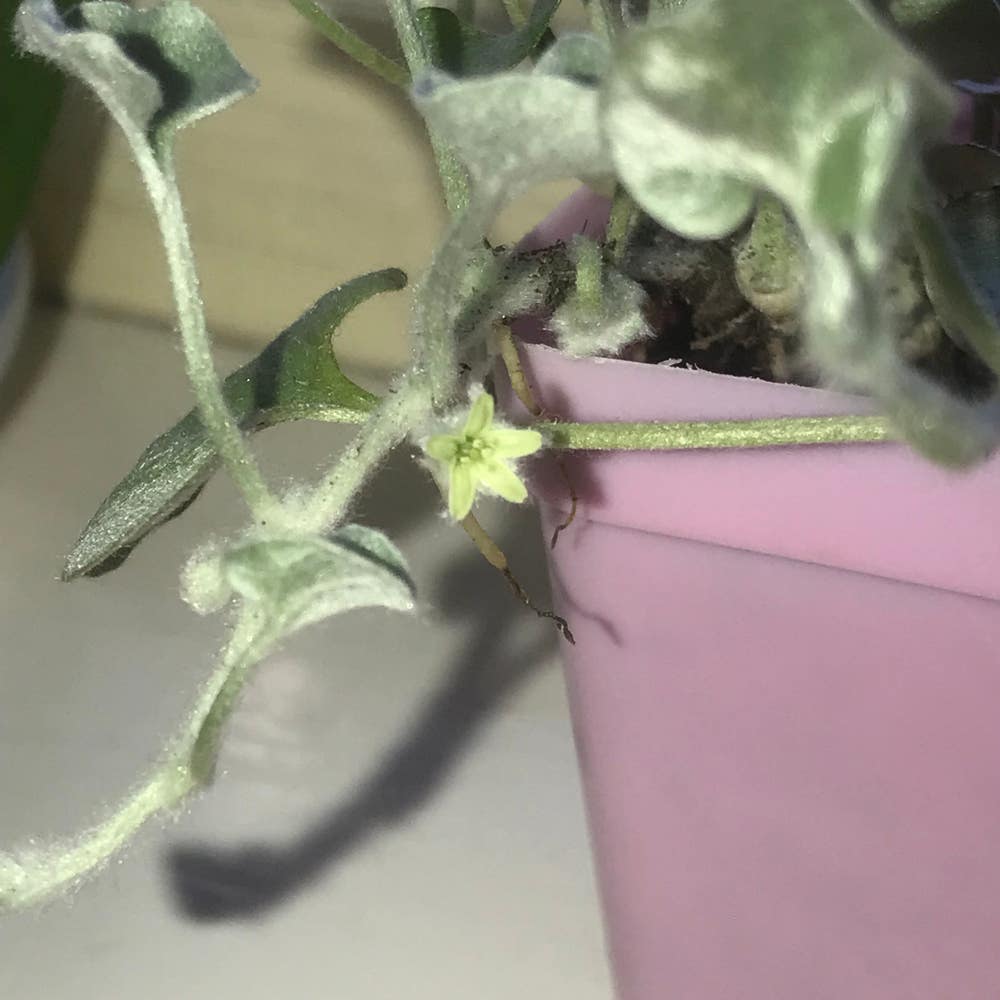
What Do I Do About Emerald Falls Dichondra Root Rot?
Dichondra argentea 'Emerald Falls'
By the Greg Editorial Team
Mar 01, 2024•3 min read
This article was created with the help of AI so we can cover more plants for you. May contain errors. See one? Report it here.
- Yellow leaves and wilting signal root rot; check roots for mushiness.
- Prune and repot in well-draining soil to help plants recover.
- Prevent rot with proper watering, clean pots, and controlled environment.
Spotting the Red Flags: Symptoms of Root Rot
🚨 Visual Clues
When your Emerald Falls Dichondra starts to look more like a wilted salad than a vibrant cascade of green, take note. Yellowing leaves, wilting, and stunted growth are not just bad hair days for your plant—they're distress signals from the roots.
🕵️♂️ Getting Down and Dirty
It's time to play plant detective. Gently remove your Dichondra from its pot and inspect the roots. Healthy roots should be firm and white, but if they're brown, mushy, and emitting a stench that's reminiscent of last week's trash, you've got a case of root rot.
First Response: Immediate Actions to Combat Root Rot
🌱 Pruning the Damage
In the face of root rot, pruning becomes your plant's lifeline. Sterilize your shears before you start; we're not spreading the plague here. Snip off the brown, squishy roots mercilessly—only the firm, white roots deserve to stay. It's like triage in the ER: save what you can, remove what you must.
🏥 The Repotting Lifeline
Next, it's repotting time, and this is no leisurely pot transfer. Choose a well-draining soil and a new pot with drainage holes—think of it as your plant's ICU with better air circulation. Gently place your plant in its new home, being careful not to pack the soil too tightly. This isn't a tuck-in; it's giving your plant room to breathe and recover.
Attacking the Culprit: Fungal Pathogen Warfare
🛡️ Choosing Your Weapons
When Emerald Falls Dichondra is under siege by root rot, the right fungicide can be a lifeline. Fungicides should be used judiciously; they're potent allies when natural remedies like neem oil or biological fungicides fall short. Rotate your fungicides to prevent resistance, treating them as precision tools rather than a catch-all solution.
🧼 Keeping It Clean
Sanitization is your plant's first line of defense. Disinfect your tools with a bleach solution to stop spores in their tracks. Keep the area around your plant free of debris and ensure the potting mix is not a breeding ground for mold. A clean environment is critical in keeping pathogens away from your Emerald Falls Dichondra.
Keeping Root Rot at Bay: Prevention Tactics
💧 Watering Wisdom
Consistency is key in preventing root rot. Establish a watering routine that caters to the needs of your Emerald Falls Dichondra, not just your schedule. Before watering, check if the top inch of soil is dry. If it feels like a parched landscape, it's time to water. If it's moist, hold off. Overwatering is a one-way ticket to root rot city.
🏠 The Right Home for Your Roots
Selecting the correct pot and soil is non-negotiable for root health. Drainage holes are a must—they're the escape route for excess water. Pair this with a well-draining soil mix to create a root-friendly environment. It's like setting up a breathable living space for your plant's roots. Avoid dense, water-retentive soils that are the botanical equivalent of quicksand.
🌬️ Creating the Ideal Environment
Your plant's environment should be less like a swamp and more like a breezy hilltop. Ensure airflow around your plant to prevent the stagnant air that fungi love. Keep the temperature and humidity levels in check to discourage fungal growth. Rotate your pots occasionally for even growth and to prevent disease from taking hold. Remember, cleanliness is next to godliness in plant care—keep the area free of debris and standing water.
⚠️ Safety First
This content is for general information and may contain errors, omissions, or outdated details. It is not medical, veterinary advice, or an endorsement of therapeutic claims.
Always consult a qualified healthcare professional before using any plant as food, medicine, or supplement.
Never eat any plant (or feed one to pets) without confirming its identity with at least two trusted sources.
If you suspect poisoning, call Poison Control (800) 222-1222, the Pet Poison Helpline (800) 213-6680, or your local emergency service immediately.
Spotted an error? Please report it here.
Prune and repot your Emerald Falls Dichondra to fight root rot, and rely on Greg's personalized care plans 🌱 to prevent it from happening again with perfect watering reminders.